Schneider Electric urges Europe to boost energy efficiency
Yunus Kemp
Posted on: 9 June 2026
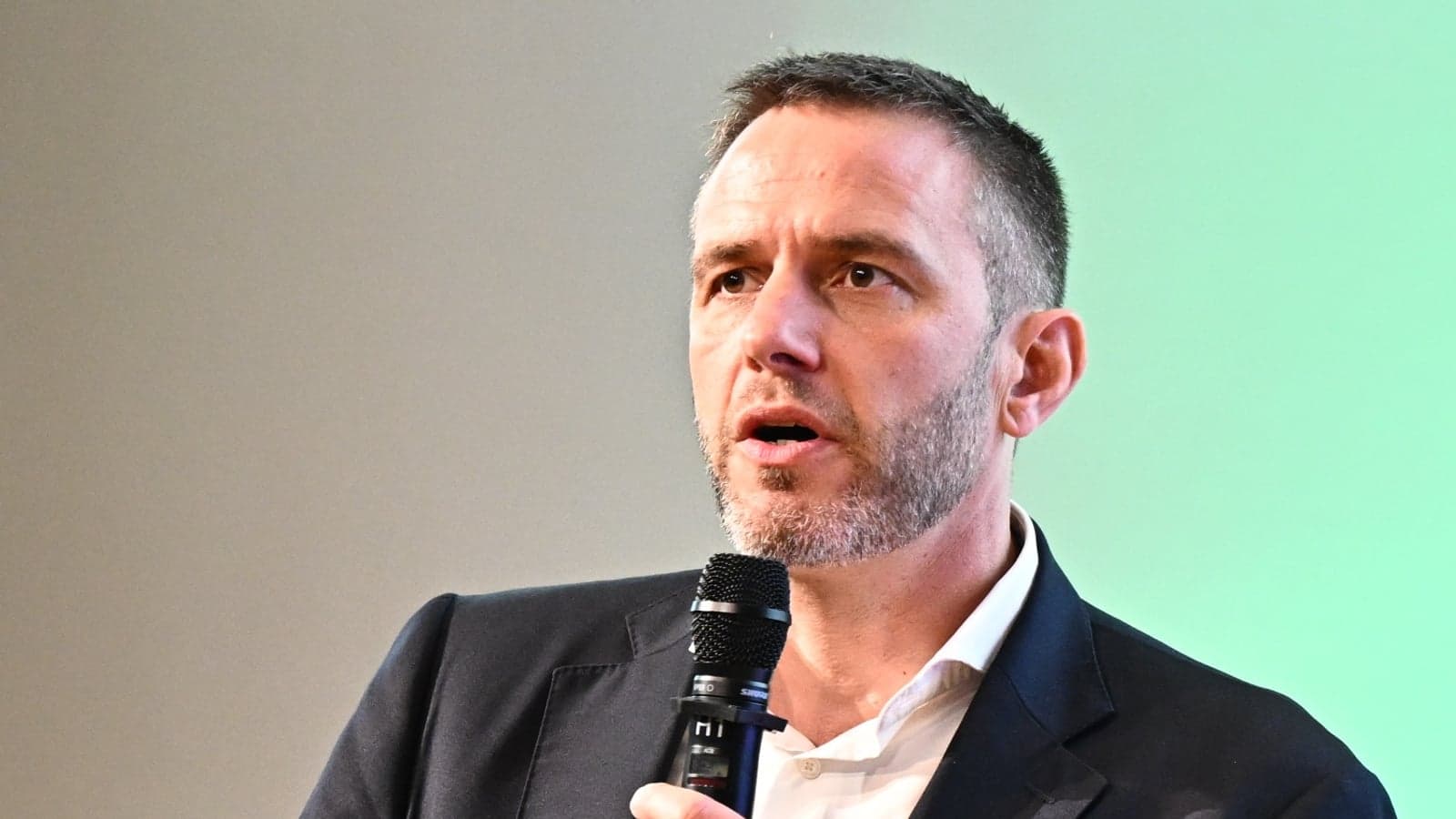
“Complacency is Europe’s biggest energy risk,” said Laurent Bataille, Executive Vice President, Europe Operations at Schneider Electric.

Global energy technology firm Schneider Electric has called on the EU to urgently accelerate energy efficiency and electrification in Europe.
The company sees this is as the only scalable, domestic and resilient response to ongoing energy price volatility.
With global energy prices expected to surge 24% this year - the biggest spike since 2022 - Europe is particularly vulnerable, Schneider says, with energy costs typically two to four times higher than other major regions.
Against this backdrop, Schneider Electric is urging policymakers to stop treating energy efficiency and electrification as climate 'add-ons' and recognise them as Europe’s only scalable, homegrown energy resources.
"Accelerating them has the potential to unlock at least €250 billion per year by 2040, reducing energy demand, cutting fossil fuel reliance and strengthening competitiveness," the company said in a statement.
Europe remains structurally exposed: the EU still relies on imports for almost 60% of its energy, costing €336.7 billion in 2025.
This is leaving households, industry and public services vulnerable to volatile global fossil fuel markets and geopolitical shocks.
“Complacency is Europe’s biggest energy risk,” said Laurent Bataille, Executive Vice President of Europe Operations at Schneider Electric.
Why this drive is important
Enlit World asked Bataille to elaborate on how businesses and governments can help advance energy efficiency and electrification across Europe.
What types of government incentives or policy support are needed to help companies accelerate the adoption of these proven efficiency solutions at scale?
LB: The priority now must be full and swift implementation of energy efficiency and electrification policies already on the books.
Directives like the Energy Efficiency Directive and the Energy Performance of Buildings Directive set the right ambitions, but their impact depends entirely on Member States transposing and enforcing them consistently.
Once the right framework is in place, we’ll see businesses have the confidence to make long-term decisions.
Why is corporate fleet electrification an important lever in the broader energy transition, and how can policy encourage faster uptake across industries?
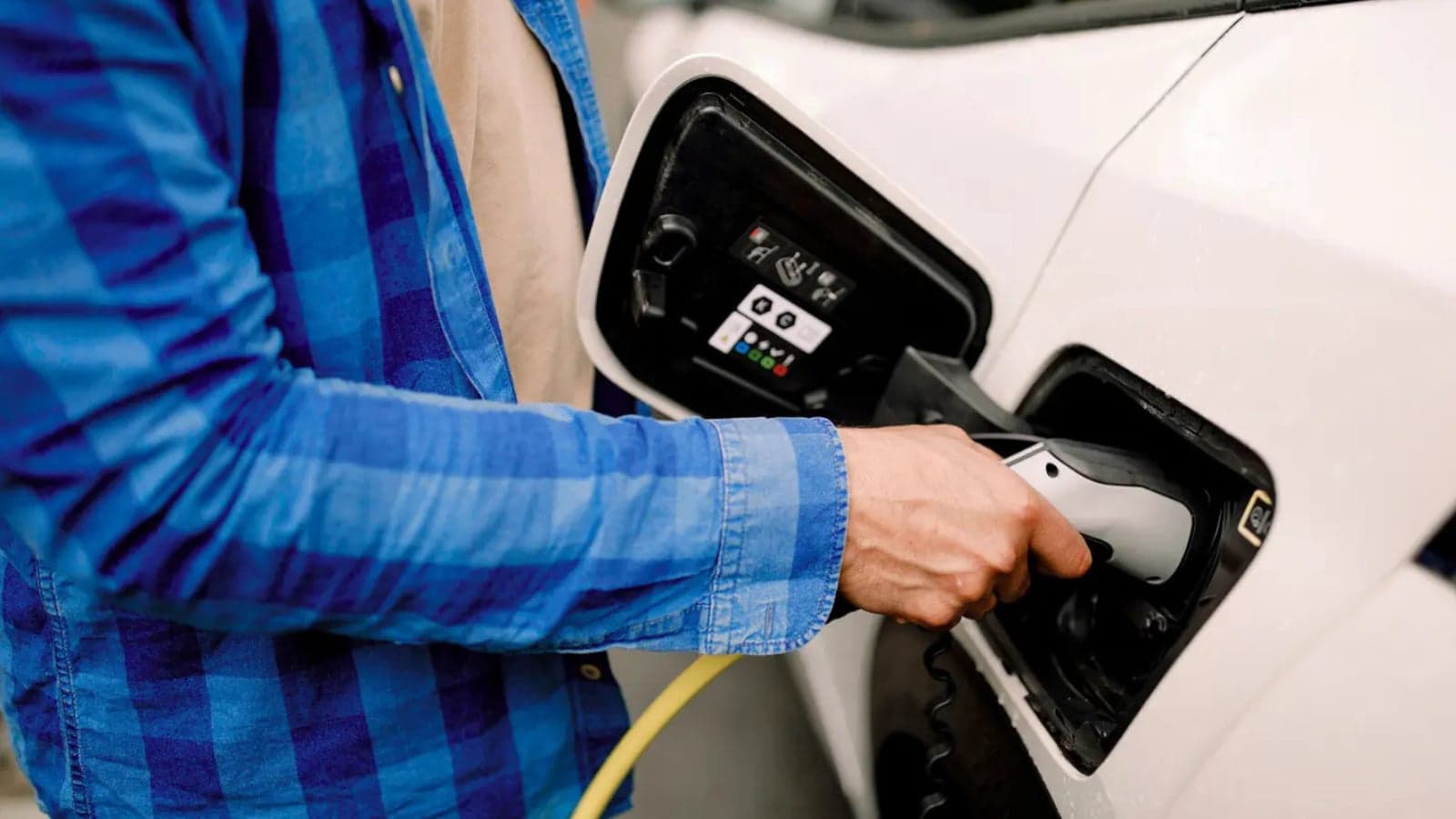
LB: Fleets are one of the low hanging fruits for electrification. About 40% of new car sales are company cars. If we can convince businesses to electrify their fleets, we'll see a dramatic uptick in sales volumes for new EVs. And unlike private consumers, businesses are already under pressure to meet net-zero commitments and regulatory requirements.
This regulatory pressure should encourage greater EV adoption within fleets.
However, we’re lacking the right investment signals for fleet electrification; the regulatory pressure isn’t enough to move the needle. EU proposals to require large companies to transition their car and van fleets to zero- and low-emission models from 2030 will deliver substantial emissions savings - an estimated 43.4 million tonnes of CO₂ by mid-century.
Through better tax incentives, we could stimulate the fleet market to quickly switch to electric vehicles. Targeted incentives for fleets produce faster market transformation than household subsidies alone.
Need for clarity on fleet electrification
But policy also has to be shaped to recognise that vehicles are only one part of the equation. For many fleets, the primary barrier is the infrastructure behind the charger - including depot power, grid connectivity, and whether local networks can support extra demand. We've faced a challenge like this before - in the tech space - and we should head the lessons learned from the 3G rollout.
The technology is available, but the scale depends on longer term investment, clear government signals, and confidence that the infrastructure needed is in place.
It isn’t just the tech industry where lesso ns can be learnt. China has successfully, and rapidly, scaled up the market share of EVs on the roads.
This was done through multi-year national planning and a subsidy approach that made buying new EVs very attractive. The same model might not be required for Europe. But setting out a clear, long-term plan for fleet electrification with the right financial support in place will spur more companies to opt for electric vehicles.
Crucially, fleets also act as a catalyst for the broader market. A faster turnover of electric company cars and vans feeds a growing second-hand market, improving affordability and access for households. In this way, fleet adoption becomes a lever for democratising electric mobility.
Have you read?
Europe's energy transition enters its infrastructure era
Europe’s energy sector digitalisation and AI roadmap out
How can digitalisation, smart energy management and storage technologies help reduce peak demand and lower overall system costs?
LB: It’s easy to think adding more capacity to the network will help us meet our electrification goals. But more KWs aren’t necessarily the answer. What we need is significant electricity load shifting and a flexible grid. This flexibility will be created through smart energy management, which can be automated through more digital solutions, such as AI. When electrification is combined with rooftop PV, stationary storage and digital controls, energy bill savings in buildings can range from 15-80%.
These changes won’t happen without the right market signals too. We need to reconsider energy tariffs, so they reward or incentivise flexibility. We’d also call for Electricity Market Design to be implemented.
We also need to look at simple, practical fixes. Today, we’re falling short of our 80% smart meter roll out target, with penetration sitting around 58%. Without this real-time data access, we’re missing out on data that can help shape decision making. Visibility over energy consumption data allows businesses and consumers to prioritise where to invest in energy efficiency solutions.
What policy or market reforms are necessary to encourage businesses and utilities to invest more heavily in energy flexibility and storage solutions?
LB: We need to see support and incentives for business that offer short payback periods. In the last five years, we’ve experienced two energy price shocks. We can’t expect industry to bounce back without some kind of support. We’d suggest targeted support, particularly for SMEs, to scale energy management systems and low/zero-cost measures that can lead to savings of as much as 30% over time and create the foundation for digitalised production.
We have existing policy, such as the Energy Efficiency Directive and Energy Performance of Buildings Directive, that needs to be fully implemented and quickly. Something like rolling out the Building Automation and Control Systems (BACS) under EPBD, is capable of delivering 450TWh annual final energy savings, 64Mt CO2 savings, and €36 billion lower energy bills. Where we’ve developed the right solution for business and the environment, it’s imperative we move as quickly as possible.
What are the most effective energy efficiency measures businesses can implement immediately to reduce energy demand and costs within a short timeframe?
LB: The most effective, immediate measures are the ones that reduce demand without requiring a major rebuild: digital controls, active energy management, and monitoring optimisation. Energy efficiency technologies are mature, rapidly deployable, and deliver immediate protection from energy price volatility. Many measures generate positive cash flow within months or a few years, making them an ideal crisis-response tool.
In buildings specifically, the focus should be on smart heating controls, thermostats, sensible temperature management, and Building Management Systems that continuously optimise HVAC controls. These measures can reduce energy bills quickly, improve comfort, and prepare buildings for electrified heating and demand response.
In many instances, electrification also serves as an efficiency play. Heat pumps, for example, offer four times the heat output than energy input. Traditional gas boilers tend to sit around the 90-95% mark. The EU’s electrification rate has been stubbornly set around 23% for the last 15 years. This is a figure we need to see improve if we’re to hit our decarbonisation targets but also wean ourselves off costly fossil fuel imports to allow for a more prosperous Europe for the second half of the 2020s and beyond.