Carbon capture: Big cost| big reward
Pamela Largue
Posted on: 2 March 2023
"Carbon capture is a lot of disruption| a lot of disturbance| also a huge cost and somehow| as a society| we have to accept that it is the cost of reaching net zero" - Ruth Herbert| CCSA.
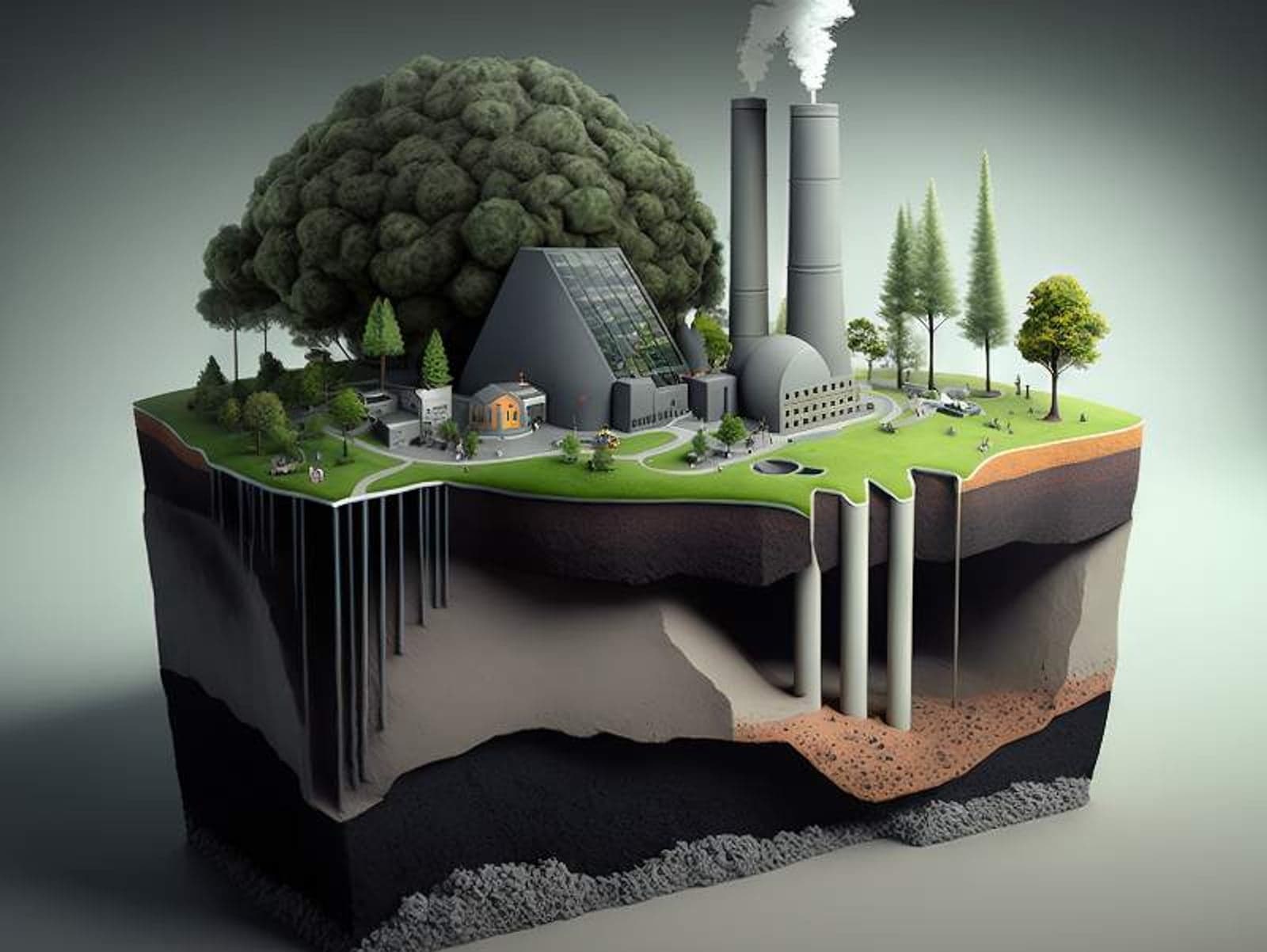
"Carbon capture is a lot of disruption, a lot of disturbance, also a huge cost and somehow, as a society, we have to accept that it is the cost of reaching net zero."
Ruth Herbert, CEO of the Carbon Capture and Storage Association (CCSA) didn't mince her words when describing the cost of deploying carbon capture.
In fact, she suggests that we finally own up to just how big the job is and have open and honest conversations about the costs involved.
Not only is this technology pricey, but we need to start deploying it at pace if we are to meet our ambitious decarbonisation goals.
A slow start
Herbert explained that we are starting from a low base. There are few operational facilities, mainly sideline carbon capture projects deployed at oil and gas processing sites.
But these projects are insufficient to meet the huge challenge of capturing and storing seven billion tonnes of CO2 by 2050.
However, the good news is that the market is accelerating, said Herbert. "We are at a point where this technology has to be deployed urgently and governments are starting to realise that and the industry is poised to deliver it."
"Now that there are net zero targets legislated, it means you have to take it seriously and deploy the technology in your industrial sector."
Have you read?DOE backs project to scale solar thermal technology to produce cementTotalEnergies bags two Danish carbon storage licensesUK projects get £6m to decarbonise industry
Time to accelerate
Herbert explained that you can't demand decarbonisation without providing the tools and there are tools at our disposal.
Firstly, Herbert suggests that governments embrace a mindset of considering the role of CCUS in retaining and protecting their supply chains while decarbonising.
She highlighted that after the economic impact of covid on the supply chain, it's never been more important to protect domestic manufacturing. "We need to ensure Europe's industries are protected and assisted through the transition."
Policies such as the Carbon Border Adjustment Mechanism will also be critical to supporting in-territory low-carbon products. However, the EU must speed up processing and administration if there is hope of meeting net zero goals.
"The curve we need to go up is very steep and yes, it's great that the EU is responding to the Inflation Reduction Act to hopefully front load more funding, but it needs to get out the door quicker."
"We need to act as though we are in a climate crisis," said Herbert.
Also of interestSix uncomfortable truths about the energy transitionReplacing F-gases in switchgear: a revolution in the making
Ultimately, Herbert agrees that we haven't yet paid the true cost of these products, "but if we move early and decisively then we will have a cheaper transition".
"The earlier we move, the more CO2 we remove from the atmosphere."
And that is ultimately the goal, stated Herbert, to avoid just-in-time delivery and the significant adaption costs of living through climate change.
"You can't negotiate with the atmosphere," she added. "Children are looking to our generation to sort out the mess.
"I owe it to them to do that...we are creating here the economy of the future".
Listen to the episode of the Energy Transitions podcast for more details on Ruth Herbert's vision: