CHP vital for energy efficiency despite unstable policies says report
Pamela Largue
Posted on: 3 March 2023
Cogeneration will continue to play an important role| particularly in industry and district heating systems where they enhance efficiency| reduce cost and strengthen resilience.
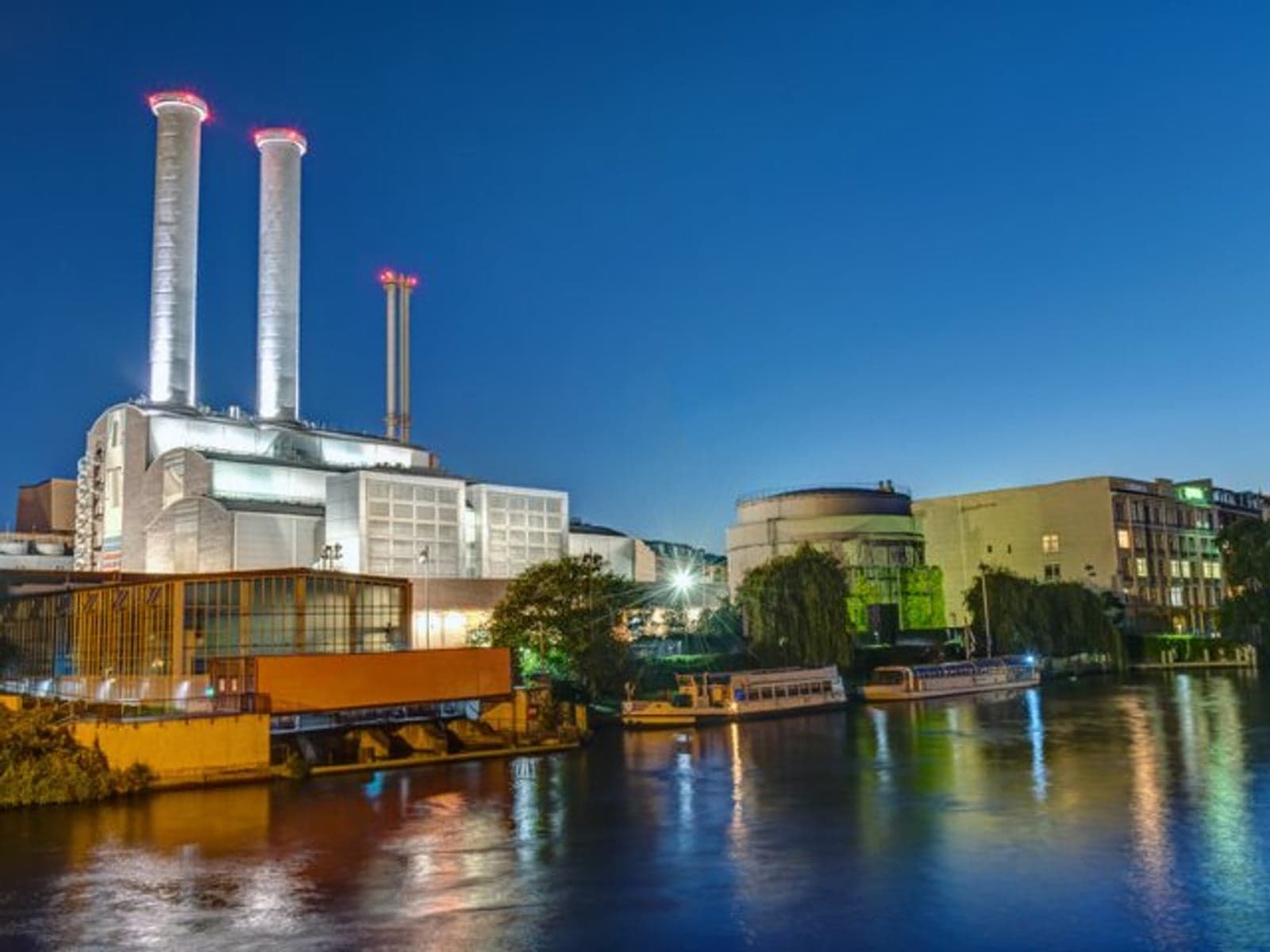
Cogeneration technologies will continue to play an important role, particularly in industry and district heating systems where they enhance efficiency, reduce cost and strengthen resilience.
This is despite unfavourable policy frameworks coupled with insufficient and unpredictable government support.
These were the findings of the latest survey of COGEN Europe members, The COGEN Europe Snapshot Survey 2022.
The survey is based on contributions provided by national experts in 15 EU Member States (Austria, Belgium, Czech Republic, Denmark, Finland, France, Germany, Greece, Italy, Poland, Portugal, Romania, Slovenia, Spain and Sweden) plus Turkey.
The participating EU countries represent in total nearly 90% of the installed CHP capacity in the European Union.
A principal source of uncertainty for new cogeneration investments is the unstable policy environment, compounding the unpredictable market conditions.
While national energy and climate plans recognise cogeneration as a vital solution for the future energy mix, the survey highlights that policy and regulatory barriers persist.
The sector is hopeful that policy negotiations at national level will put energy efficiency first and prioritise cogeneration investments.
Have you read?
GE secures combined heat and power contract in Kazakhstan
Valmet plans coal-to-biomass conversion for Hungary CHP plant
Key survey findings include:
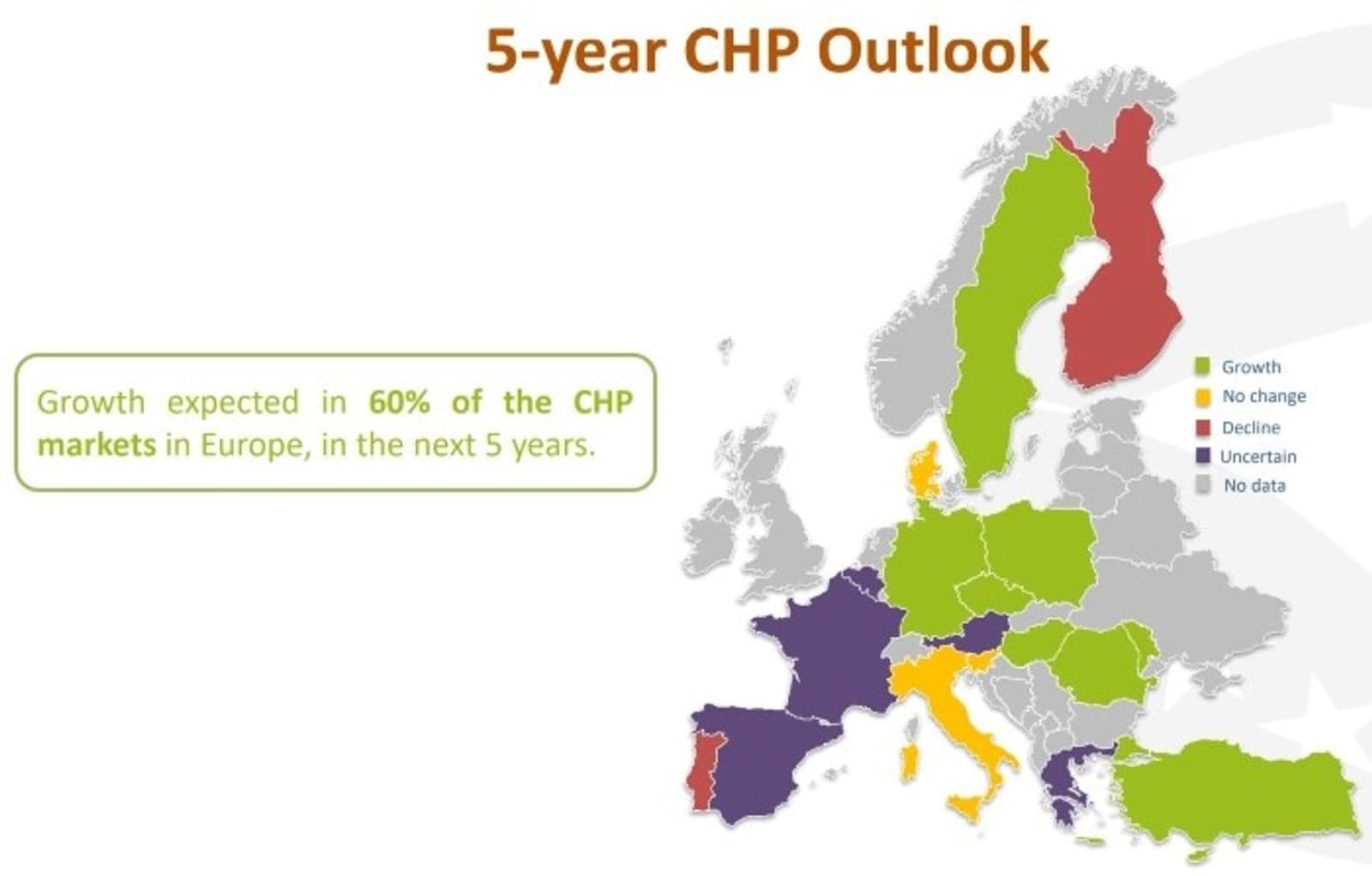
- The cogeneration market shows signs of growth in Finland, Germany, Poland and Turkey.
- Signs of decline can be seen in Denmark, Portugal and Spain.
- National responses to the energy price crisis varied significantly across the EU. In certain countries such as Greece, Portugal and Spain, a lack of focus on preserving the operation of cogeneration plants led to unintended short-term disruptions and an increased overall energy consumption.
- The future outlook for the next five years remains favourable, despite uncertainties linked to energy markets and an unstable regulatory environment.
- Industry, SMEs and district heating operators are keen to renew their existing cogeneration plants or install new systems, in order to further diversify their energy supplies, hedge against energy price volatility and reduce their carbon footprints.
- A fuel switch to higher penetration of renewable sources is also an established trend in the cogeneration sector, provided that policy incentives are in place to prioritise the most efficient use of these valuable fuels.
"This survey coincided with the energy crisis and the post-pandemic period," explains COGEN Europe’s head of policy, Alexandra Tudoroiu-Lakavičė. "While in general, cogeneration has been stable across Europe, it has of course been impacted by the pandemic, by the lower economic performance as well as by the energy price crisis."
Delivering a more efficient and resilient energy system
"Given the increase in energy prices, cogeneration has been seen as an energy efficiency solution and as a way to protect industry and small businesses from these energy price hikes," she continues.
"So it has been one of the solutions that industry has chosen to help them hedge against the energy crisis generally."
"For the coming five years we see that there will be growth in the cogeneration sector: primarily for industry and district heating, and in particular renewables-based CHP," added Tudoroiu-Lakavičė.