Construction begins on EnBW’s third fuel switch project
Yusuf Latief
Posted on: 14 March 2024
Construction works have started on EnBW’s combined cycle gas turbine power plant project in Heilbronn| Germany.
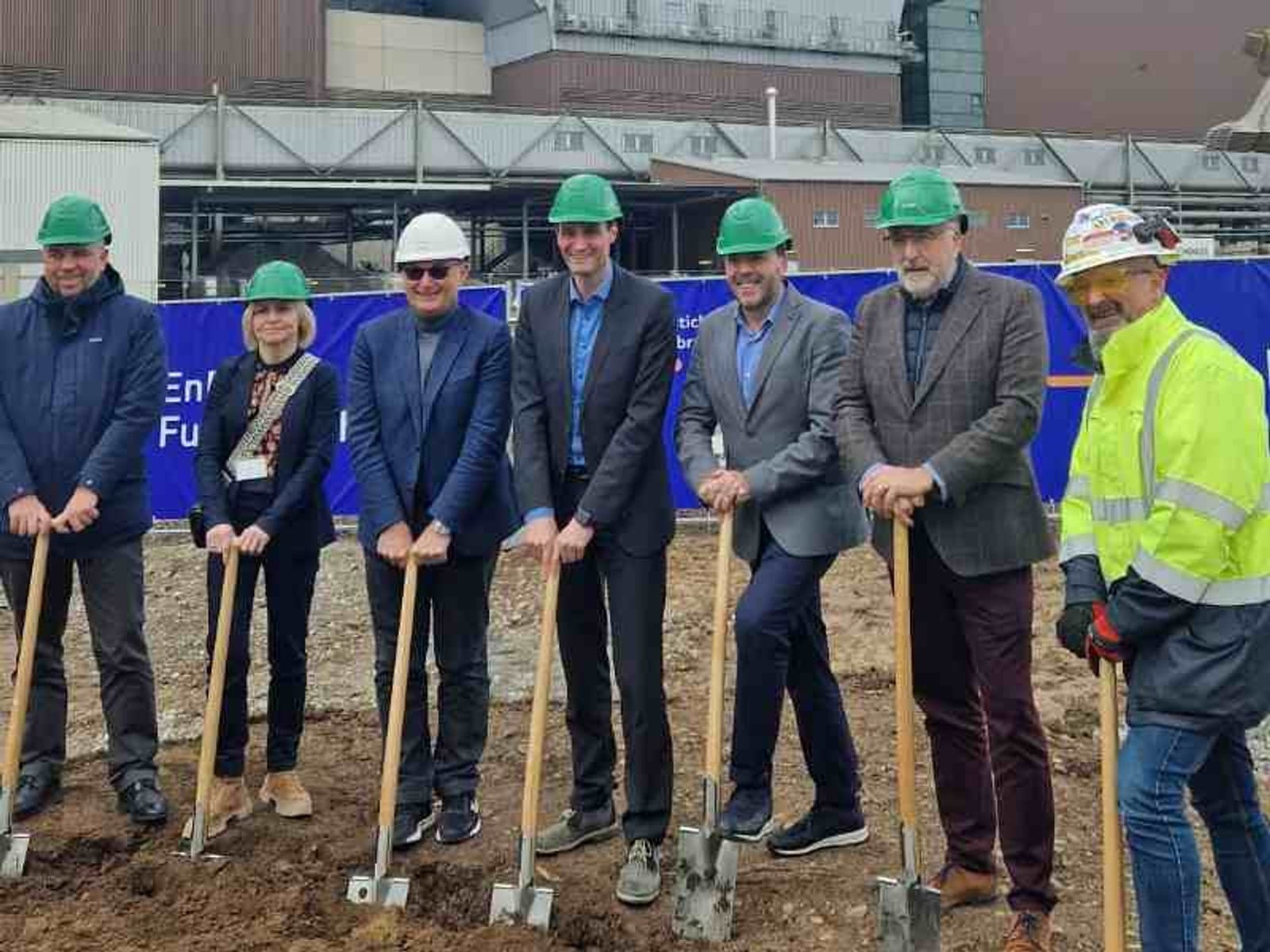
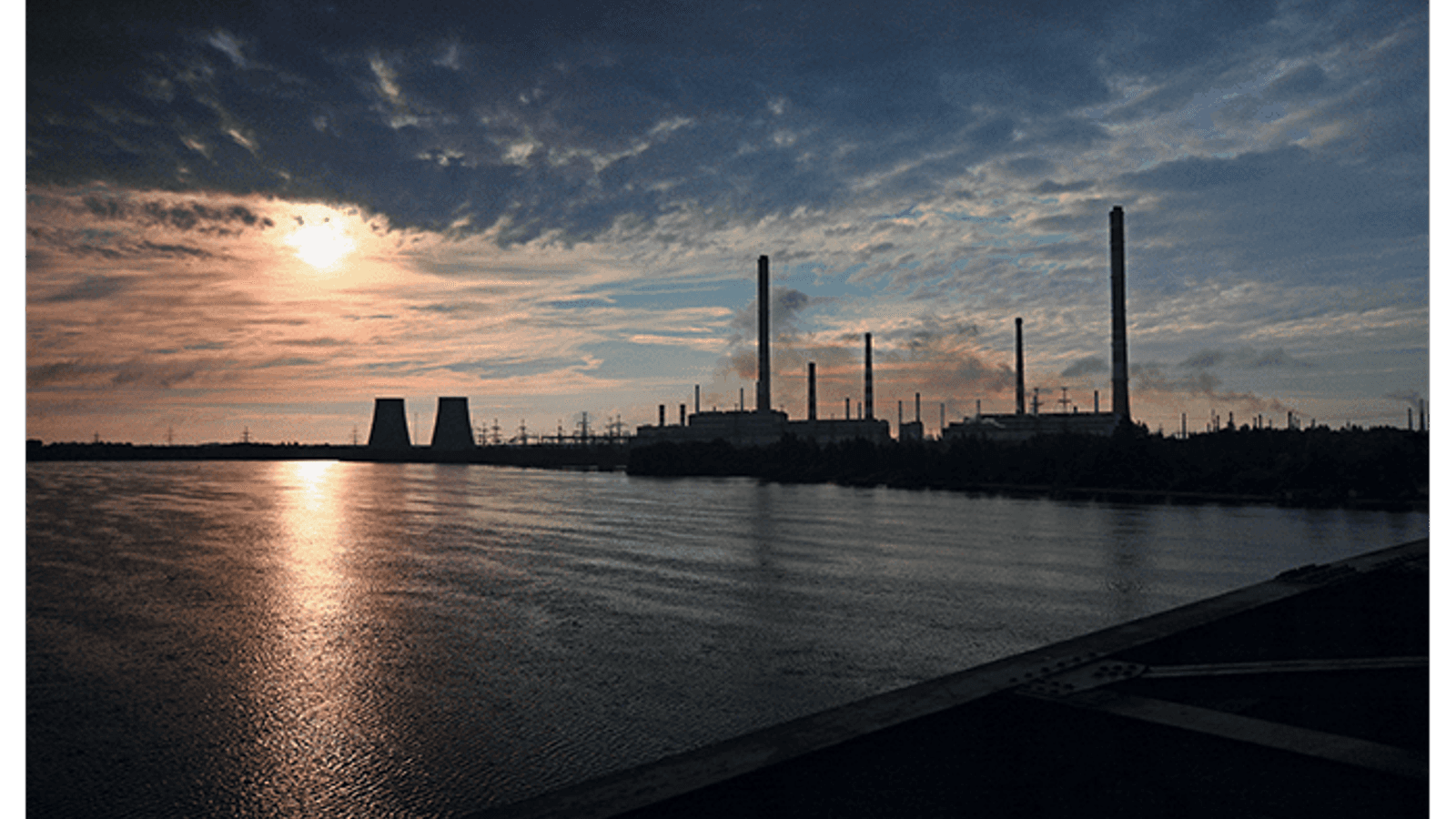
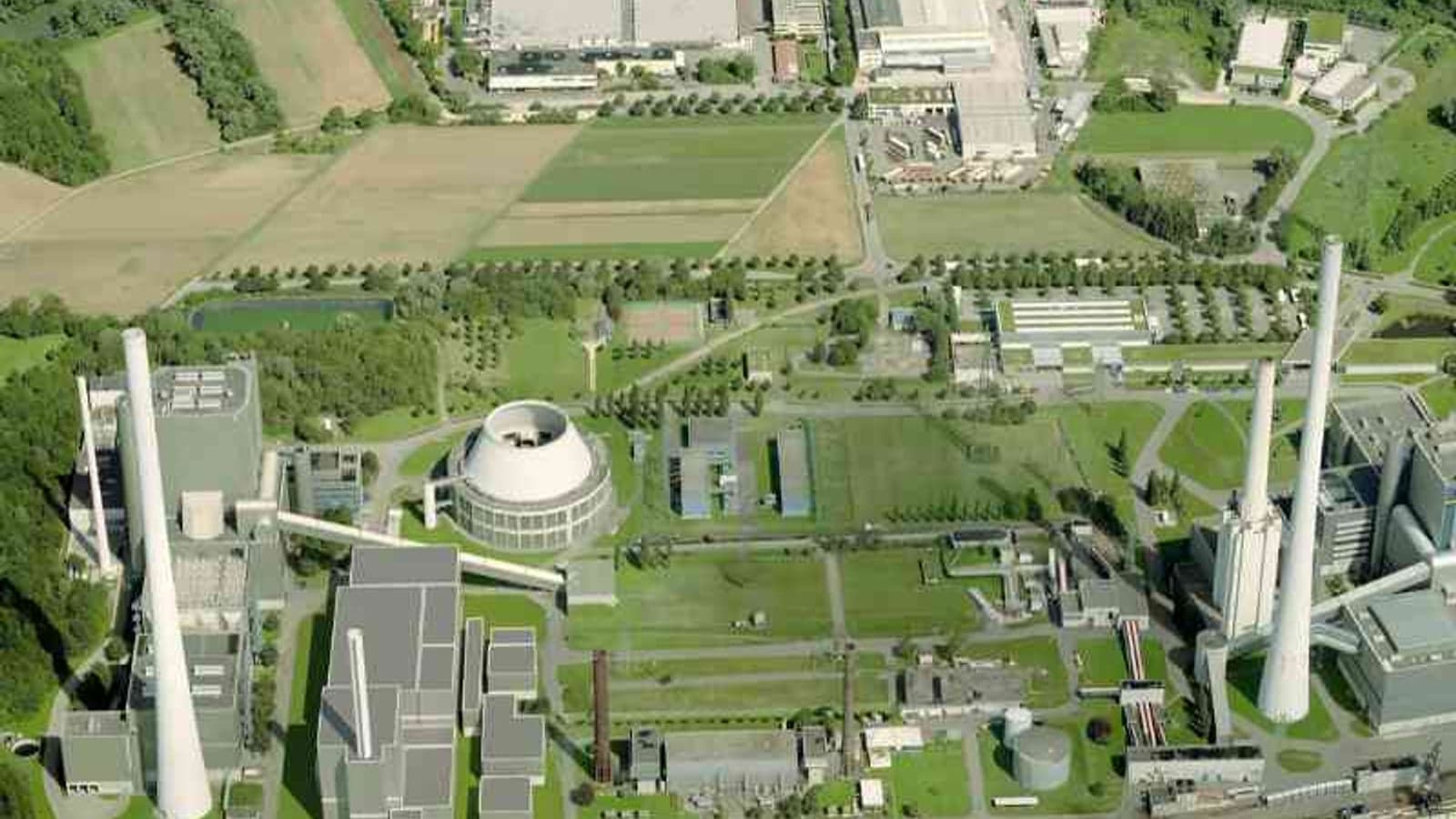
Construction works have started on EnBW’s new power plant in Heilbronn, Germany. The project marks the third in a series of fuel switch projects to convert existing coal power plant sites into natural gas and, from the 2030s, green hydrogen plants.
The Heilbronn plant is expected to deliver nearly 710MW of electrical output and around 190MW of district heating capacity for the mid-Neckar region by 2026, supporting Germany’s coal-fired power phase-out.
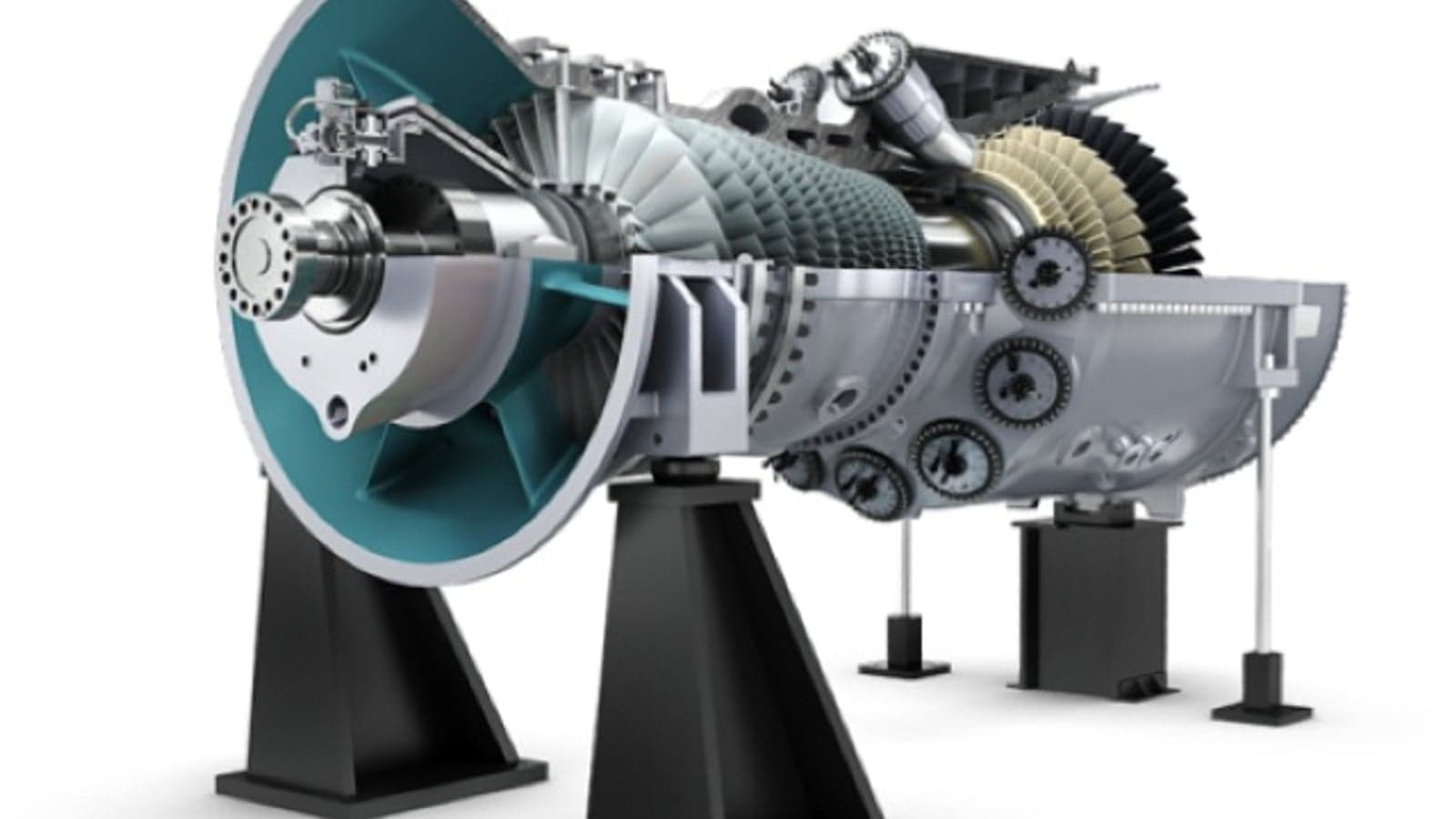
An international consortium formed by GE Vernova, Sener and Bonatti will carry out the engineering, procurement, and construction of the new plant.
The Heilbronn combined cycle gas turbine (CCGT) plant is expected to reduce carbon emissions by more than 50%. It will switch existing coal-fired plants with more efficient natural gas-fired plants while enabling a future fuel mix combustion of up to 20% by volume of hydrogen.
Have you read:
GE Vernova to provide H-class combined cycle equipment in Germany
Capacity factors of combined-cycle plants increasing as efficiency improves – EIA
To secure the supply of district heating, a heat storage facility with a capacity of 600MWh and a hot water boiler system with a district heating capacity of approximately 170MW are simultaneously being built.
During the conversion, part of the district heating grid will also be modernised in an energy-efficient manner by switching from a steam to a hot water network.
The district heating grids supply around 300 industrial and commercial customers in Heilbronn and Neckarsulm, alongside around 150 residential buildings.
Fuel switch: Third of a trio
The Heilbronn plant is expected to start operation by the end of 2026.
The CCGT marks the third in a trio of projects launched by EnBW to pave the way for green hydrogen power.
The other two projects include those of Altbach/Deizisau, which is expected to be completed by mid-2026, and in Stuttgart-Münster, which is expected to be completed by mid-2025.
The project is aligned with the European and national regulations in the decarbonisation path towards 2050 to promote district heating.
Its progress milestone also follows a recent announcement from the German government on a consensus for a power plant strategy that will see subsidies provided for gas power plants that can switch to hydrogen.
The agreement was confirmed by federal chancellor Olaf Scholz, economics minister Robert Habeck and finance minister Christian Lindner, aiming to ensure the security of supply with the phase-out of coal and simultaneously boost decarbonisation efforts.