Proxima Fusion reels in RWE and Google for $468m funding
Pamela Largue
Posted on: 7 July 2026
The successful funding round highlights the global race between nations to achieve commercial operation of a fusion power plant.
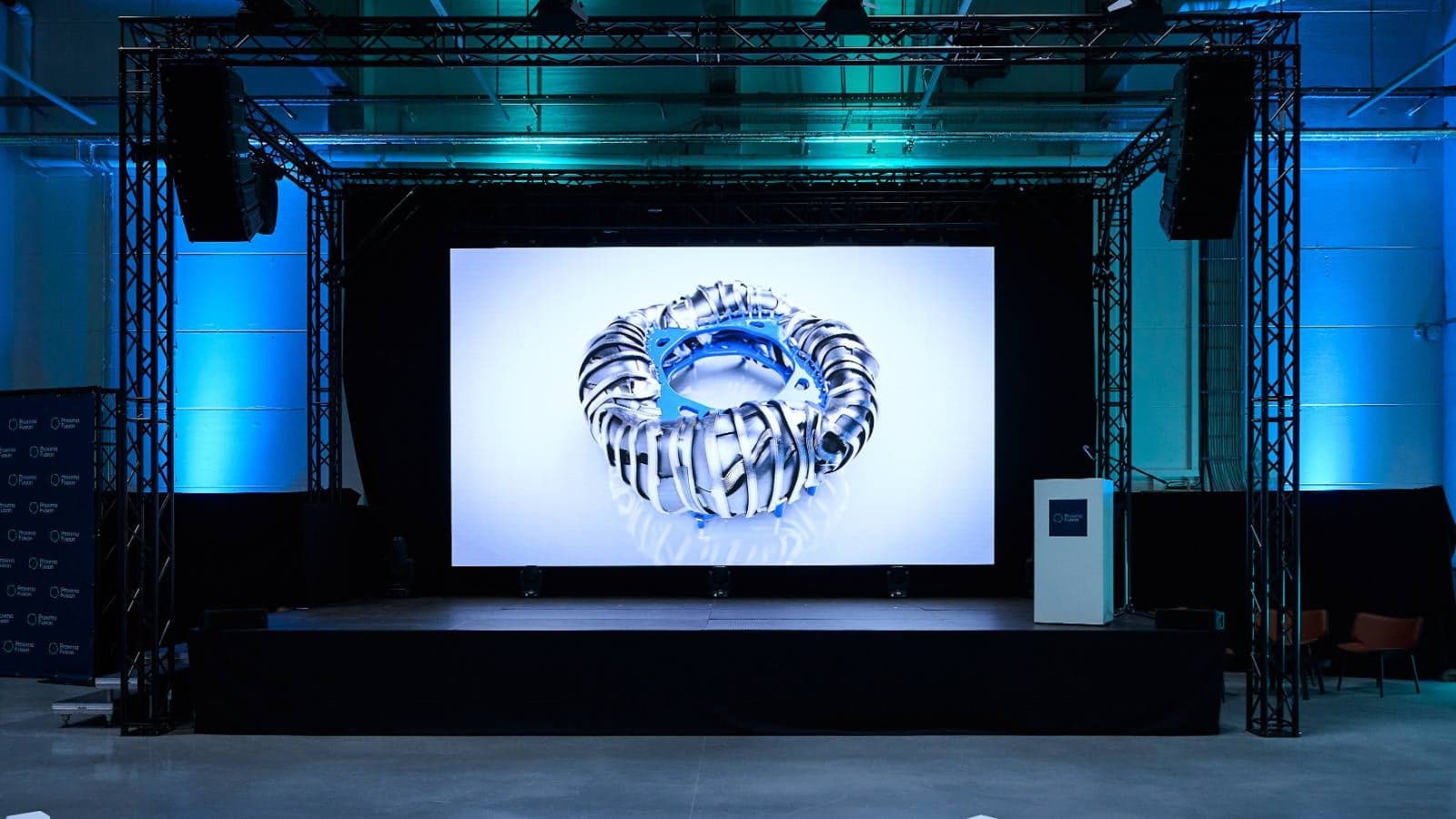
Munich headquartered stellarator company Proxima Fusion has announced a $468 million financing round, bringing the company’s valuation to $2.7 billion.
This, states Proxima, is one of the largest private investments in European technology this year and makes the firm “the best-funded fusion company in Europe”.
If reflects not only the growing interest in fusion power as a source of energy security and industrial competitiveness but also highlights the global race between nations to achieve commercial operation of a fusion power plant.
This sentiment was emphasised in a statement by Dr Francesco Sciortino, co-founder and CEO of Proxima: “Europe is racing with the United States and China to get to the first fusion power plant. Proxima’s financing demonstrates that Europe can not only invent breakthrough technologies but also build globally competitive companies around them.”
Energy Transitions podcast: Who is leading the global fusion energy race?
Sciortino added that investors recognise the urgency to invest in the technology and have a line of sight on the return this opportunity could deliver.
The funding round was led by XTX Ventures, the venture capital arm of XTX Markets, and East X Ventures, the venture capital arm of East X, a London-based quantitative commodities investment firm.
Fusion funders
KfW Capital, SPRIND and Burda Principal Investments joined the round alongside returning investors including Plural, UVC Partners, Balderton, Cherry Ventures, DST Global Partners, Brevan Howard Macro Venture, Lightspeed, DTCF, redalpine, Leitmotif, Elaia, CDP Venture Capital, Bayern Kapital, and the EIC Fund.
Both Google and German energy company RWE are investors, with RWE partnering with Proxima on building the first stellarator fusion power plant, Alpha, on the site of a former nuclear fission power plant in Gundremmingen, Bavaria.
This funding will go directly to the Alpha project, which is led by Proxima in partnership with the state of Bavaria, the Max Planck Institute for Plasma Physics and RWE.
According to Proxima, the Alpha project will act as a bridge between fusion research and real-world application and will help validate key technologies.
Read more about fusion:
Three fusion ‘hubs’ to be established in Germany
Europe's fusion lead at risk without EU strategy warn CEOs
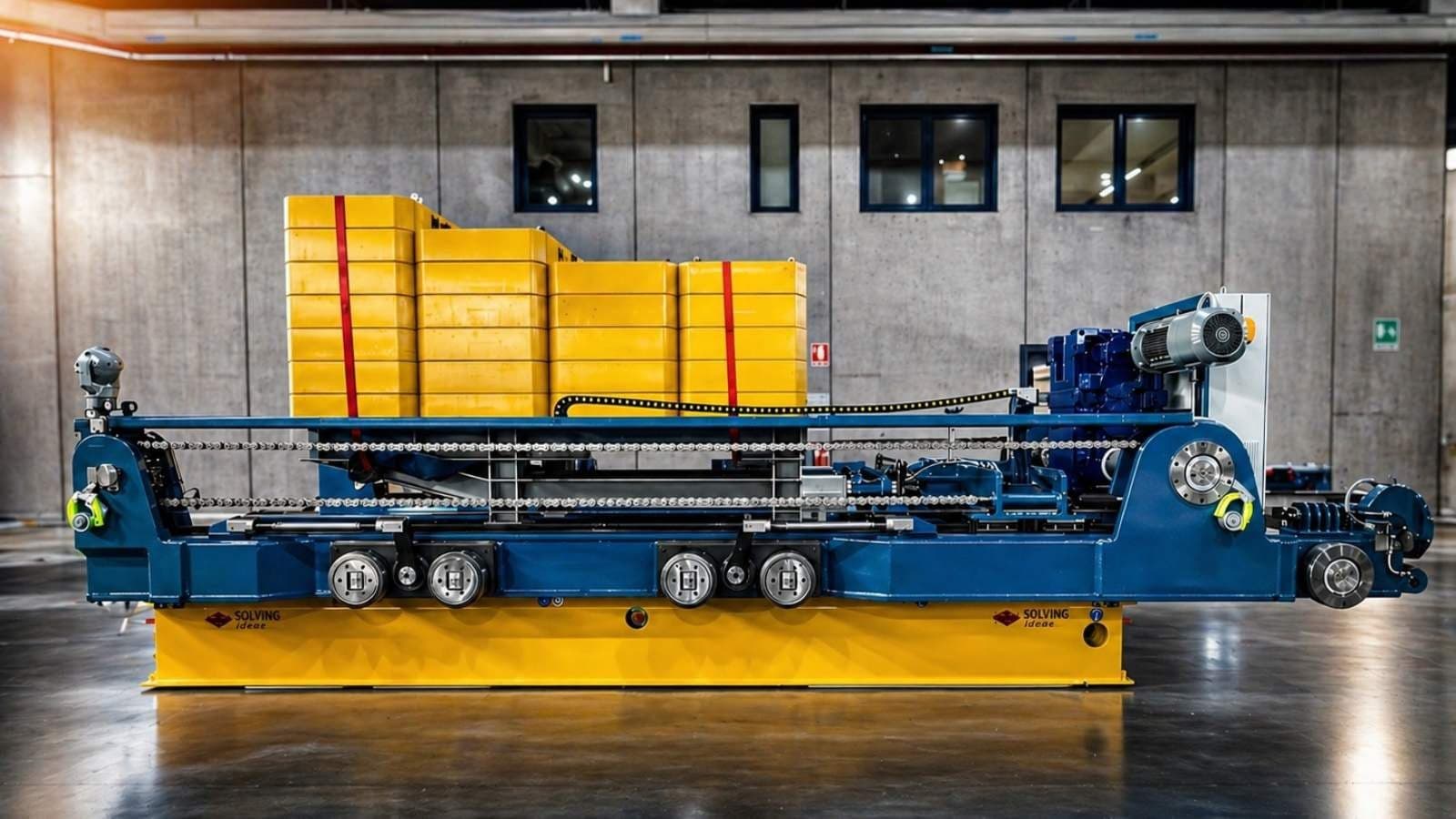
More specifically, Proxima will use the funds to complete the Stellarator Model Coil, expand the high-temperature superconducting (HTS) cable and magnet production, and continue development of the engineering and manufacturing systems required for stellarators.
With Alpha, Proxima is aiming for a net-energy fusion demonstrator in the early 2030s. This will pave the way for Stellaris, the world's first commercial stellarator fusion power plant later that decade.
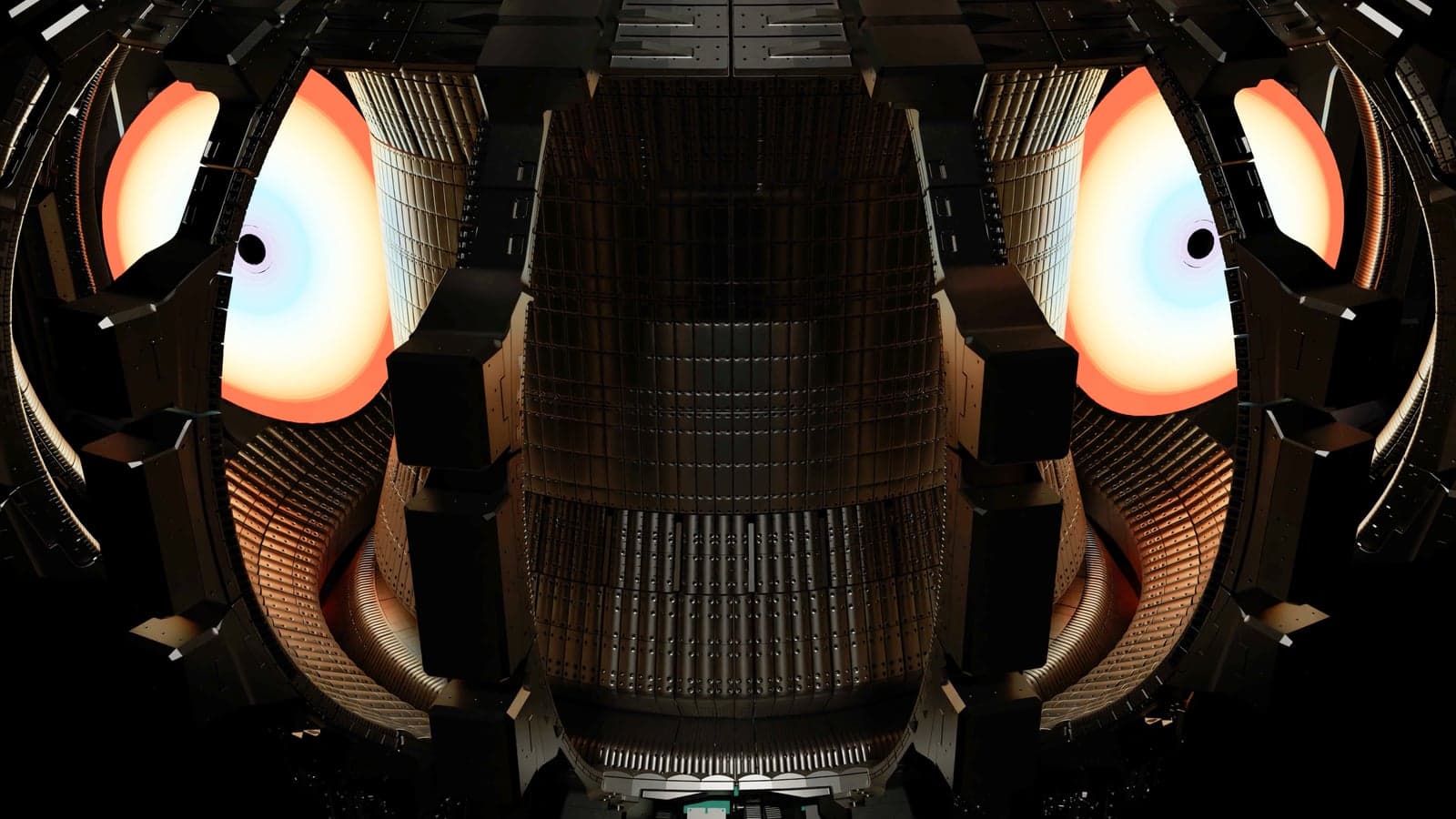
Proxima, a spin-out from the Max Planck Institute for Plasma Physics, is developing commercial fusion power plants based on the QI-HTS stellarator concept. Quasi-isodynamic (QI) stellarators utilise a magnetic confinement approach in which toroidal currents cancel out to zero, resulting in uniquely robust features. Proxima believes that QI stellarators using HTS magnets offer the clearest path to putting fusion on the grid.
In under three years, the firm secured more than $740 million, including $109 million in public grants. Proxima completed this financing round only three months after signing its Memorandum of Understanding with the Free State of Bavaria, RWE and the Max Planck Institute for Plasma Physics.