Construction begins on spent nuclear fuel repository in Sweden
Pamela Largue
Posted on: 20 January 2025
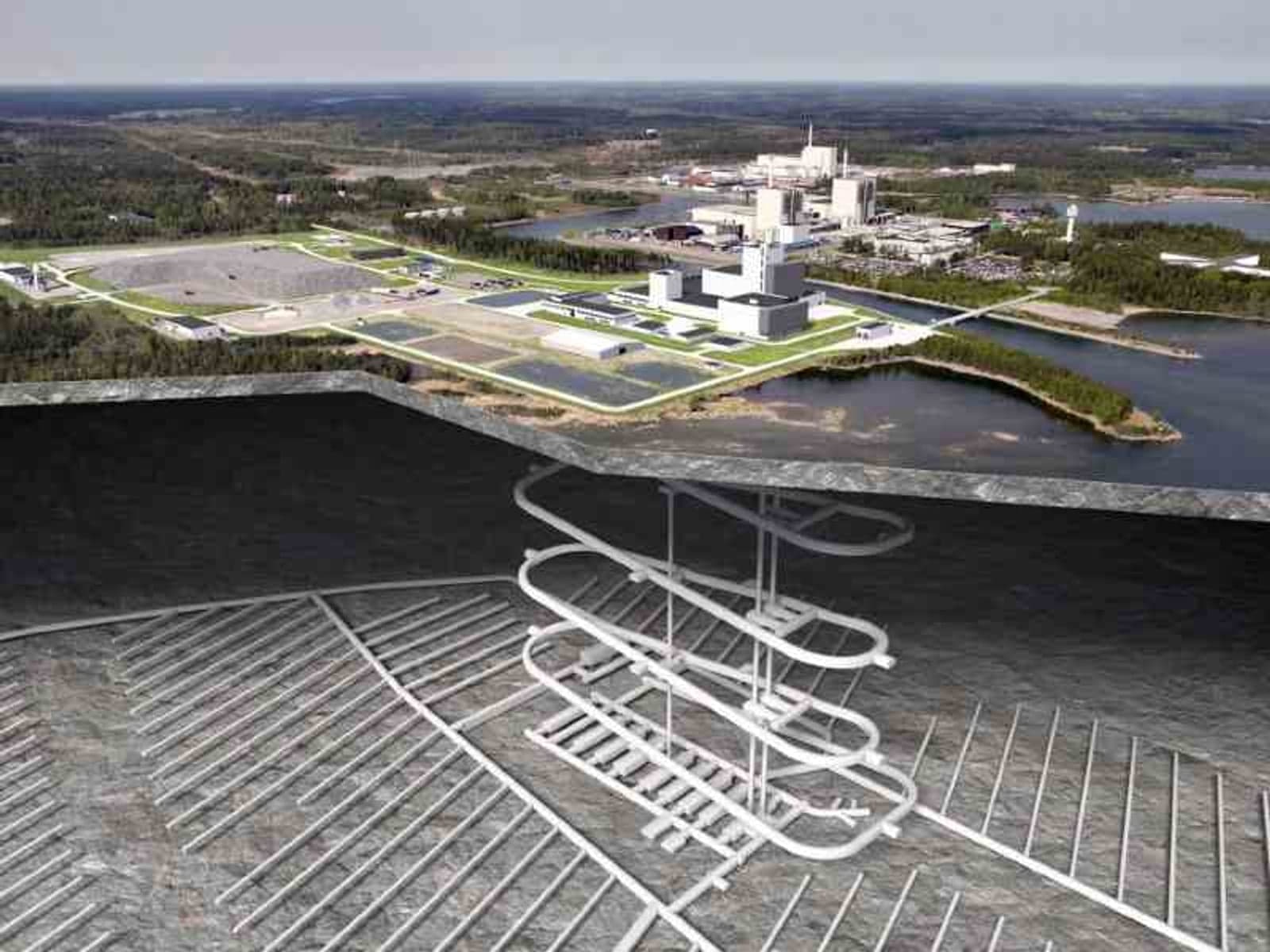
When fully extended| the repository will contain more than 60 kilometres of tunnels and will be able to hold approximately 12|000 tonnes of spent nuclear fuel.
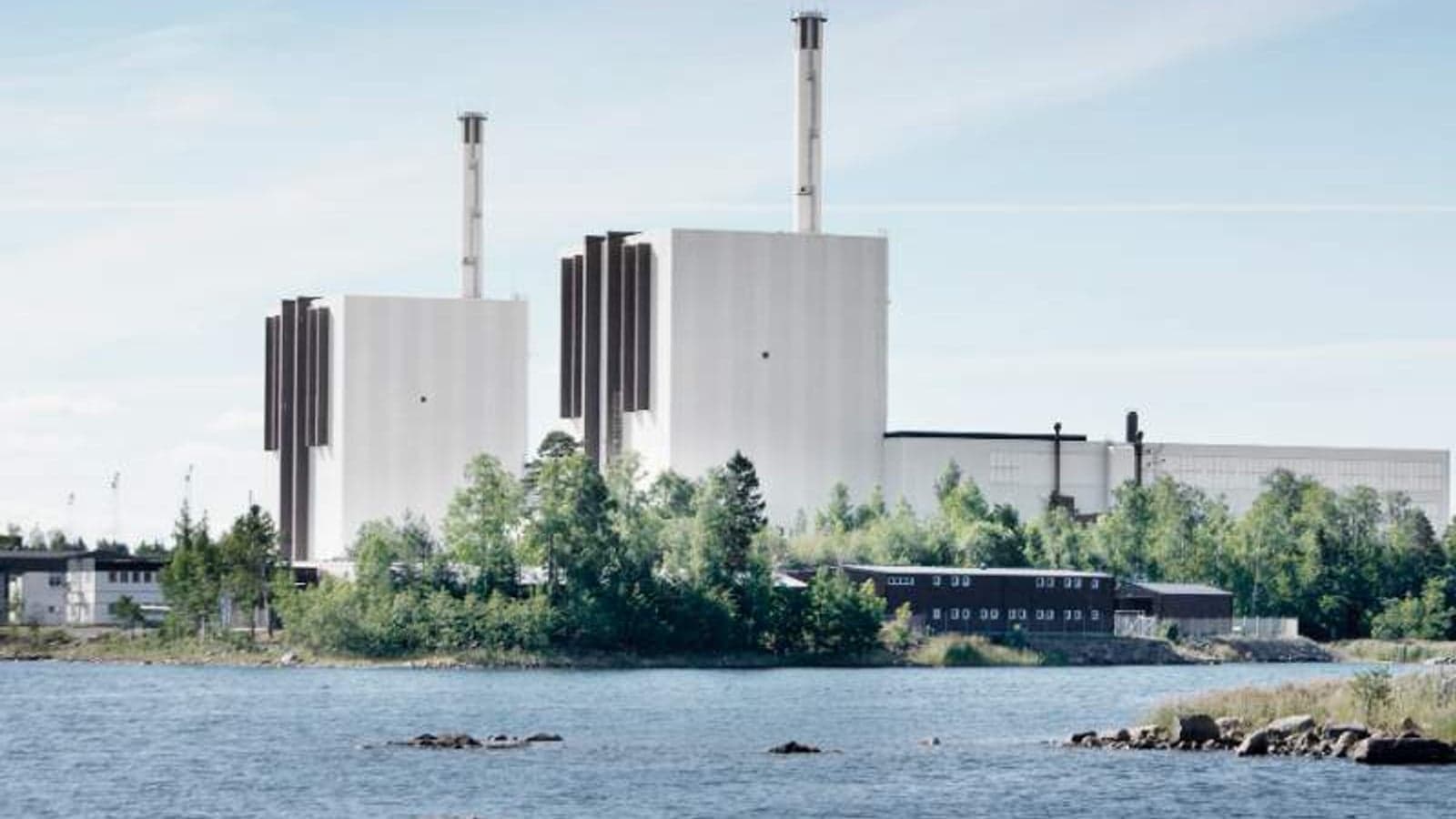
Construction has officially started on the Swedish Spent Fuel Repository in Forsmark, Östhammar Municipality, Sweden, according to the Swedish Nuclear Fuel and Waste Management Co, SKB.
SKB has spent over 40 years developing the technology for this final disposal site for nuclear waste.
In Autumn 2024, SKB received an environmental permit and an enforcement order from the Land and Environmental Court, providing the green light for work to start.
Work can now commence on two years of preparatory work above ground, including the construction of a rock mass storage and water treatment plant, a bridge over the cooling water canal and forest clearing.
Following this phase, work will move down into the bedrock.
Construction of the repository will take ten years, states SKB, before disposal can begin. Thereafter the repository will be gradually extended into the 2080's.
Have you read?
newcleo partners with Slovakian companies on Gen IV reactors
IEA predicts record nuclear growth but calls for de-risking sector
Stefan Engdahl, CEO of SKB, commented on the project milestone: "This is a historic day for the Swedish nuclear waste programme. We’re taking an important step and breaking the ground for a final solution for spent nuclear fuel. This sees us creating good conditions for continued fossil-free electricity production."
The repository will be located at a depth of around 500 metres and will have a surface section covering a total area of 24 hectares, the equivalent of 44 soccer fields.
When fully extended, the repository will contain more than 60 kilometres of tunnels and will be able to hold approximately 12,000 tonnes of spent nuclear fuel in 6,000 copper cast-iron canisters. Each 25-tonne canister will hold 2 tonnes of used fuel. Bentonite clay would surround each canister to adsorb any leakage.
Sweden's current waste disposal sites
World Nuclear Association states that currently, some low-level waste is disposed of at reactor sites, and some is incinerated at the Studsvik RadWaste incineration facility in Nyköping.
A final underground repository (SFR) for operational (up to intermediate-level) radioactive waste and medical and industrial radioactive wastes has been operating near Forsmark since 1988. It has 63,000 cubic metre capacity and receives about 1000 cubic metres per year.
In April 2023, SKB applied to expand the SFR final repository for low- and intermediate-level waste at Forsmark to almost three times its size, including six new rock vaults all 240-275 metres long. The expansion is expected to take six years to complete.
In November 2022 a new interim storage facility for low- and intermediate-level radioactive waste began operation in Studsvik. This site was to store waste from the Ågesta nuclear power plant and the R2 research reactor.
For high-level waste, the CLAB interim repository for used fuel (treated as high-level waste) has been operating since 1985 at Oskarshamn, and its original 5000 tonne capacity was expanded to 8000 tonnes soon after 2000. In 2015 SKB applied to extend it to 11,000 tonnes to cater for all the fuel from all the present reactors. After interim storage, the waste will be moved to the Spent Fuel Repository being built at Forsmark.
SKB was established by the nuclear utilities following the passing of Sweden's Waste Legislation in 1977, which aimed to develop a concept for the management and disposal of used fuel. It is owned 36% by Vattenfall, 30% Forsmark, 22% OKG and 12% E.ON Sweden.