Temporary compressor procurement – can it be greener?
Guest/partner contributor
Posted on: 10 May 2023
Russell Brown of Aggreko Europe explores more sustainable compressor technologies as the sector decarbonises| and how purchasing strategies are changing in their wake.
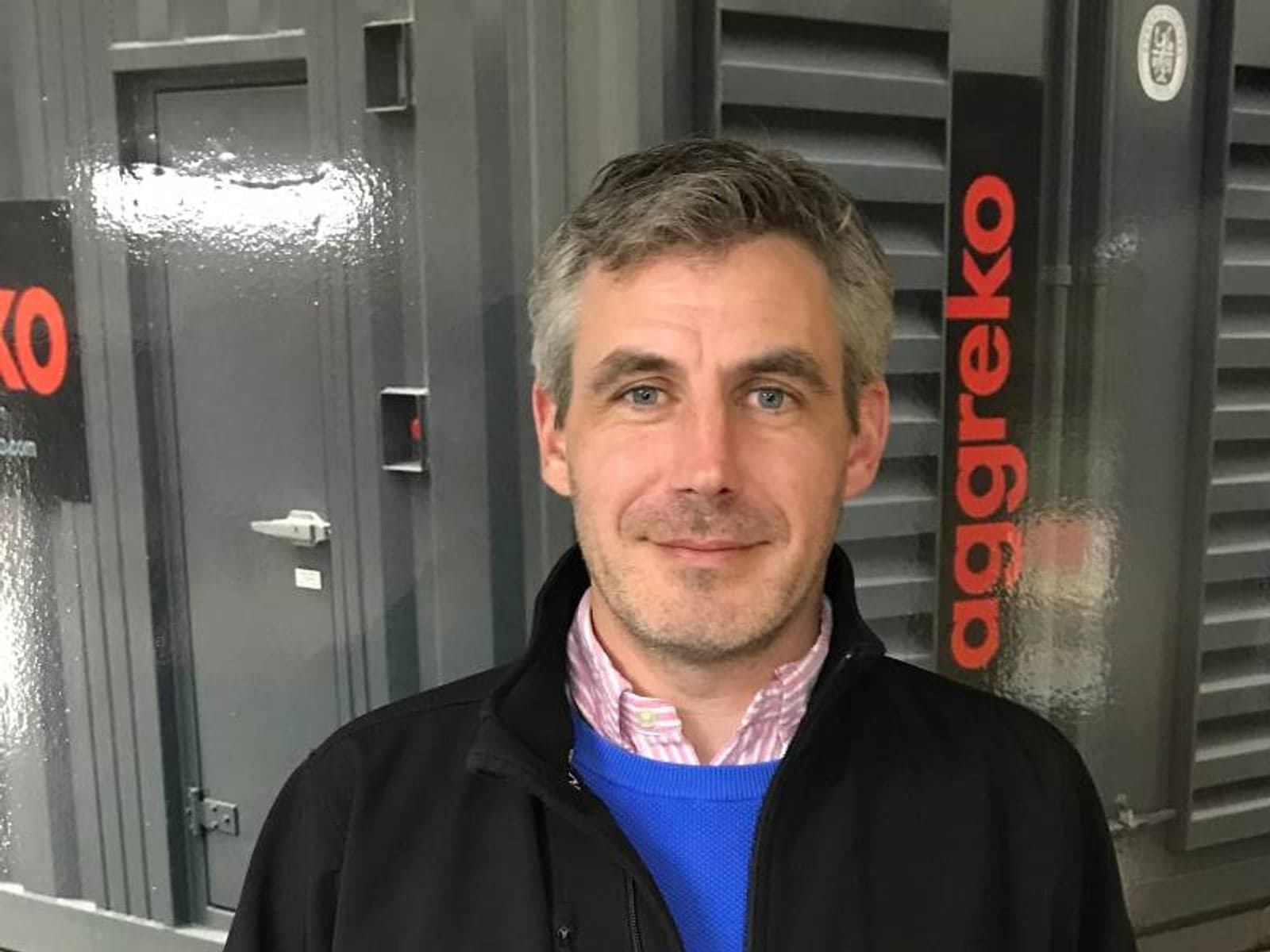
Strict environmental regulations and supply chain issues are leading to equipment procurement bottlenecks in the petrochemical sector as the demand for compliant equipment outstrips supply. As a result, companies may encounter issues with equipment compliance and efficiency in all areas of their facility. With this in mind, Russell Brown, Product Manager for Oil-Free Air at Aggreko Europe, explores more sustainable compressor technologies as the sector decarbonises, and how purchasing strategies are changing in their wake.
Compressed air has previously been referred to as the ‘fourth utility’ within the petrochemical sector, and with good reason. Its various uses, including in CAT regeneration, pressure testing and aeration, as well as instrument, process and plant air provision, means it is often vital to a plant’s continued running. Similarly, the compressor’s role in key applications such as separating atmospheric air into its component gases to mix chemical powders means that continuous provision of high-quality air is a must.
If contamination occurs, these compromised plant processes could lead to air outages, resulting in unplanned facility downtime. The effect of such disruption can already be seen in the US, where plant outages at the start of the year sent oil refining margins to a three-month high, leading to further strain on supplies and company budgets further down the supply chain.
Have you read?
A $25bn renewables grid to green oil & gas platforms in the North Sea
Oil and gas giant pumps $10m into next-gen geothermal firm
With planned outages a key factor behind these particular events, it can be argued that the effect of any disruption could be even greater if it is unanticipated. For instance, outages at French refineries due to wildcat strike action in March caused a 50% drop in the number of crude oil barrels the country processed compared to the previous month. Given the sheer impact disruption can have on both the petrochemical sector and markets further afield, equipment specification and contingency planning must be viewed as paramount concerns.
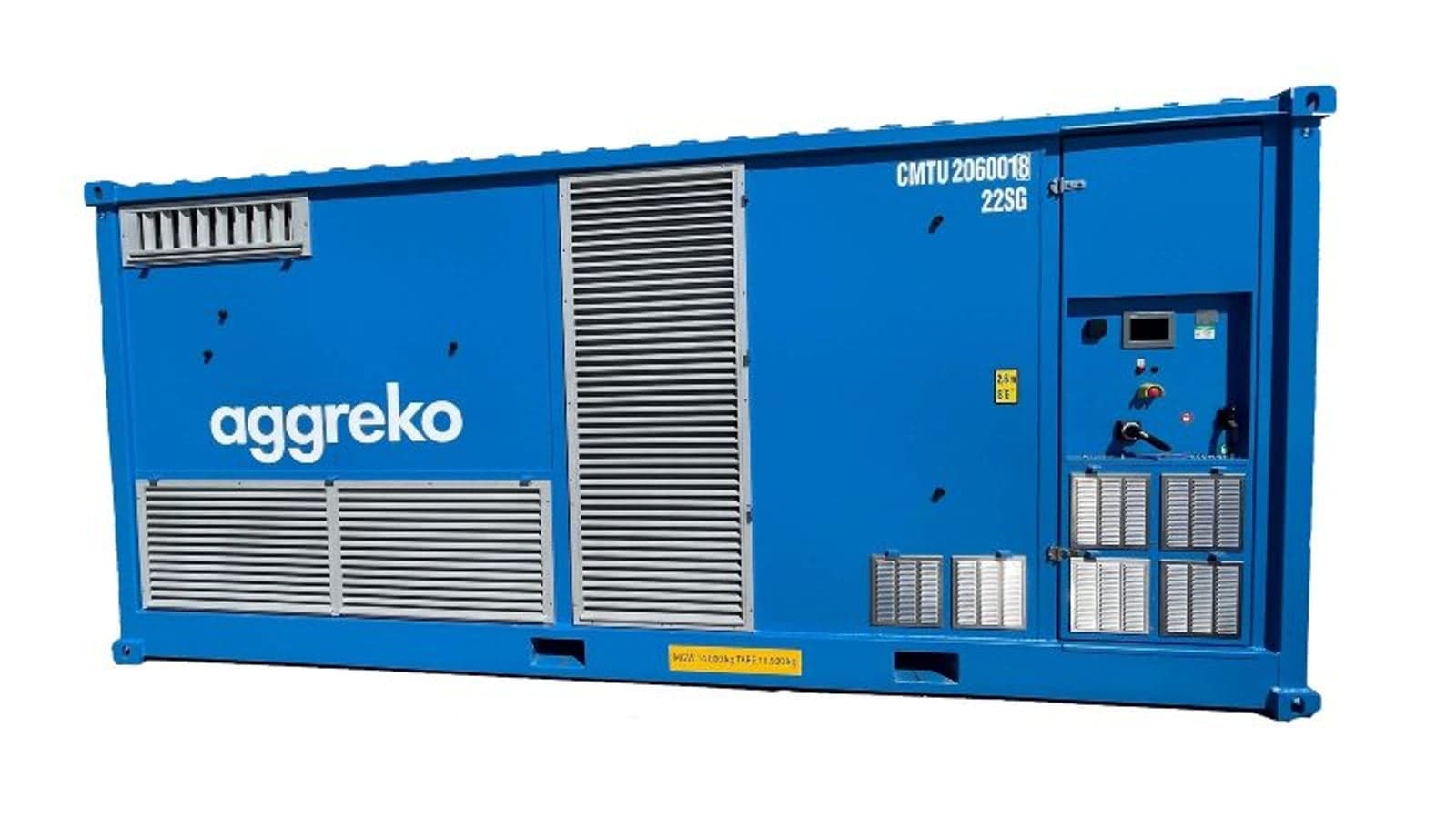
Compressor technologies: Oil-free compressors
Given the highly sensitive environments within refineries and petrochemical plants, oil-free compressors have become increasingly popular for air provision. These solutions can supply higher-quality air than equipment operating within oil-flooded systems, ensuring air of the best possible quality.
Consequently, the possibility of contaminated air coming into contact with key processes is negated to a level that is hard to replicate with oil-injected models. The reliability and productivity benefits associated with this cannot be underestimated, especially when viewed in the context of the petrochemical sector’s continued expansion.
Indeed, powered by continued innovations and technological advancement in the sector, the global petrochemical industry is expected to exhibit a compound annual growth rate (CAGR) of 8.6% by 2030. This expansion is mirrored within the compressed air market, which is expected to experience a CAGR of 4.3% between 2021 and 2027.
Similarly, continuously rising energy costs have further boosted the popularity of certain oil-free compressor models. For example, units powered by electric variable speed drives (VSD) can be modulated depending on air provision requirements. This results in lower energy costs, alongside lower maintenance costs, reduced downtime and no emissions – a key consideration given increasingly strict environmental regulations, including net zero targets.
Supply and sustainability pressure
Considering the expected growth of the compressor and petrochemical markets, it can be argued that refineries and plants are facing a perfect storm of factors that could stifle growth. Namely, production will need to ramp up further at existing facilities to meet demand. This could place existing compressor units under increasing pressure and make sourcing further oil-free air provision a necessity.
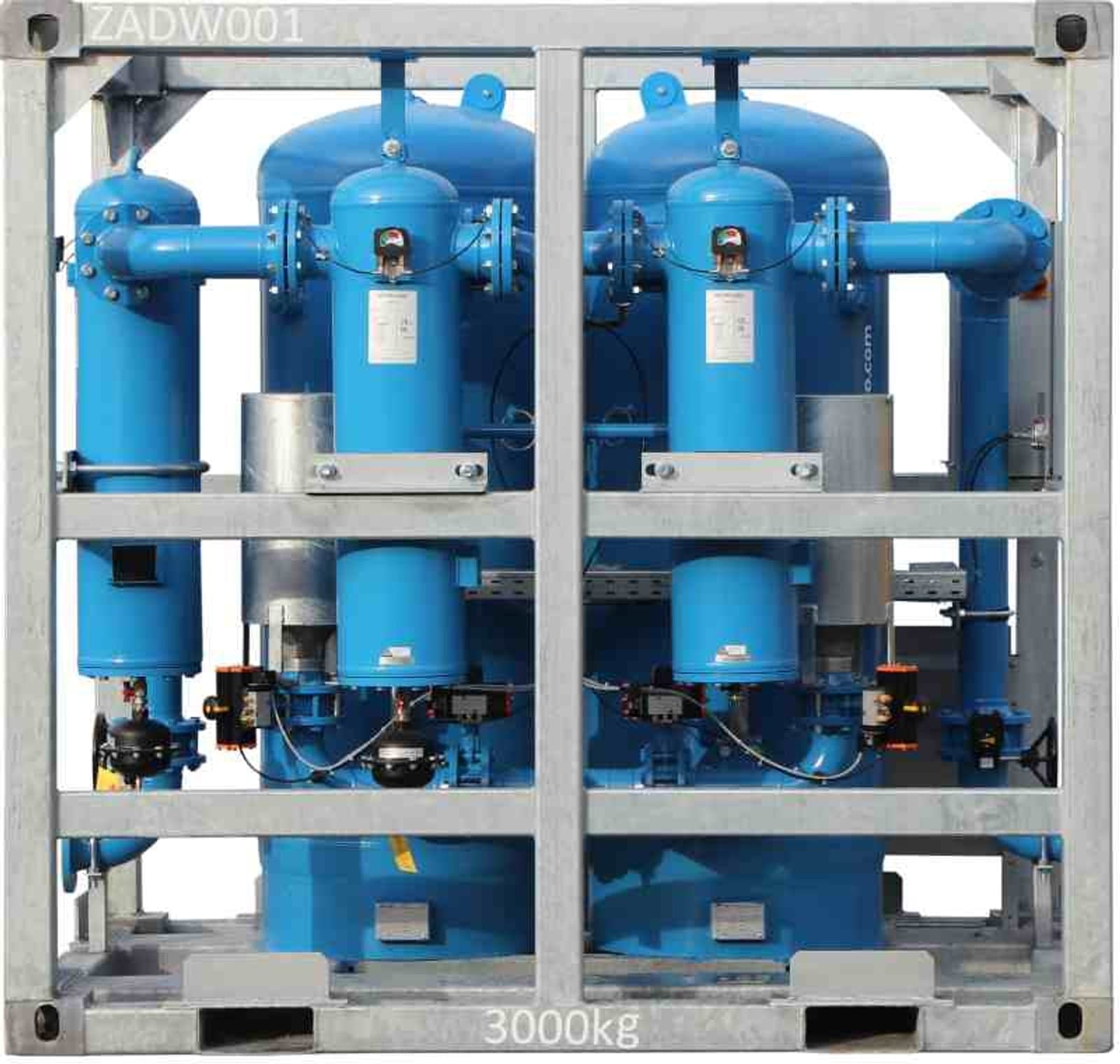
Yet issues procuring compressor technologies are to be expected, especially in a market wracked by supply chain issues due to soaring demand and static supply of oil-free solutions. But with existing compressors expected to do more to enhance production, this equipment may degrade more quickly due to natural wear and tear that comes with use. As a result, units could potentially be brought offline for maintenance if business continuity is to be assured, making the need to source replacement high-quality air provision units more acute.
Complications arising from rapidly advancing sustainability legislation are also set to further hamper efforts to procure equipment for contingency planning. For example, as generators are also required to power any additional air compressors, stakeholders at plants and refineries must also consider the further costs this could incur, and how specification might be affected by environmental regulations.
The gradual tightening of environmental legislation has led to units becoming more costly and complex, with Tier 4 engines requiring specialist tools now common among original equipment manufacturers.
Plants and refineries may therefore find themselves in a gradually worsening position, requiring sustainable and efficient models to meet production and maintenance needs, but reliant on ageing, existing compressor equipment. Furthermore, with further decarbonisation measures expected from governments across Europe, organisations able to purchase new installations may soon find themselves with stranded assets.
Hire strategies
It is with this in mind that hire strategies are growing in prominence in the petrochemical sector, especially given regulatory changes impacting the market. Indeed, according to chemical and energy industry data expert ICIS, small to medium-sized enterprises may be more acutely affected by legislation-based disruption and face operational challenges.
These organisations may lack the capital to purchase assets and absorb costs arising from depreciation, maintenance costs and potential under-utilisation during periods of lower demand. Additionally, changing environmental standards may require a similarly dynamic and fast-moving approach to utility procurement. Consequently, working alongside a hire equipment supplier with pan-European knowledge of varying legislation and market pressures on an ongoing basis may be more suitable than purchasing a permanent solution from a vendor. By doing so, organisations can utilise the supplier’s knowledge in a supportive partnership, instead of in a buyer-seller relationship.
This is especially the case when considering the maintenance requirements associated with petrochemical plants and refineries, and the importance of sourcing effective compressor equipment to fit ongoing maintenance programmes without impairing production. This is even more urgent when considering periods of unplanned downtime, making working with suppliers who can remotely monitor equipment and quickly respond to breakdowns and outages a must.
Potential possibilities
By exploring the possibilities of equipment hire strategies, facility stakeholders can establish or further bolster contingency plans. For example, plants can build redundancy into plant processes, allowing production to continue if the main compressor goes offline. Supplemental equipment can also be used to keep production rates optimal in case of bottlenecks in the pneumatic processes. Crucially, as these units can be deployed immediately, there are no delays waiting for long-term capital equipment to solve an issue that can occur at any time.
Engaging a global supplier such as Aggreko can also negate supply chain and stranded asset issues and allow access to equipment fleets across Europe that are continuously updated to ensure efficiency and compliance with sustainability legislation.
In conclusion, the short and long-term challenges facing the petrochemical sector necessitate new ways of thinking when it comes to procuring the effective oil-free compressors the industry requires.
With the sector subject to rapid market and legislative changes, affected organisations and their suppliers must become equally nimble to best navigate a potentially challenging business landscape. Equipment hire is one such approach that can help businesses better adapt to these circumstances, especially when combined with greater availability of innovative compressor technologies, including VSD units.
Related tags
Latest content
+3
Building resiliency: Aligning EAM with your strategic goals
Enterprise asset management (EAM) has become a critical enabler in the success of the business. Once considered the domain of operations and floor managers, today EAM delivers accurate, real-time information to leaders across the company, helping inform strategic and operational decisions.
- Guest/partner contributor
- 29/03/2023