UK energy sector faces skills exodus| warns engineering chief
Kelvin Ross
Posted on: 9 January 2024
Vysus boss says UK energy sector is at a ‘tipping point’ and faces skills shortage in part because of ‘short-term political positioning’.
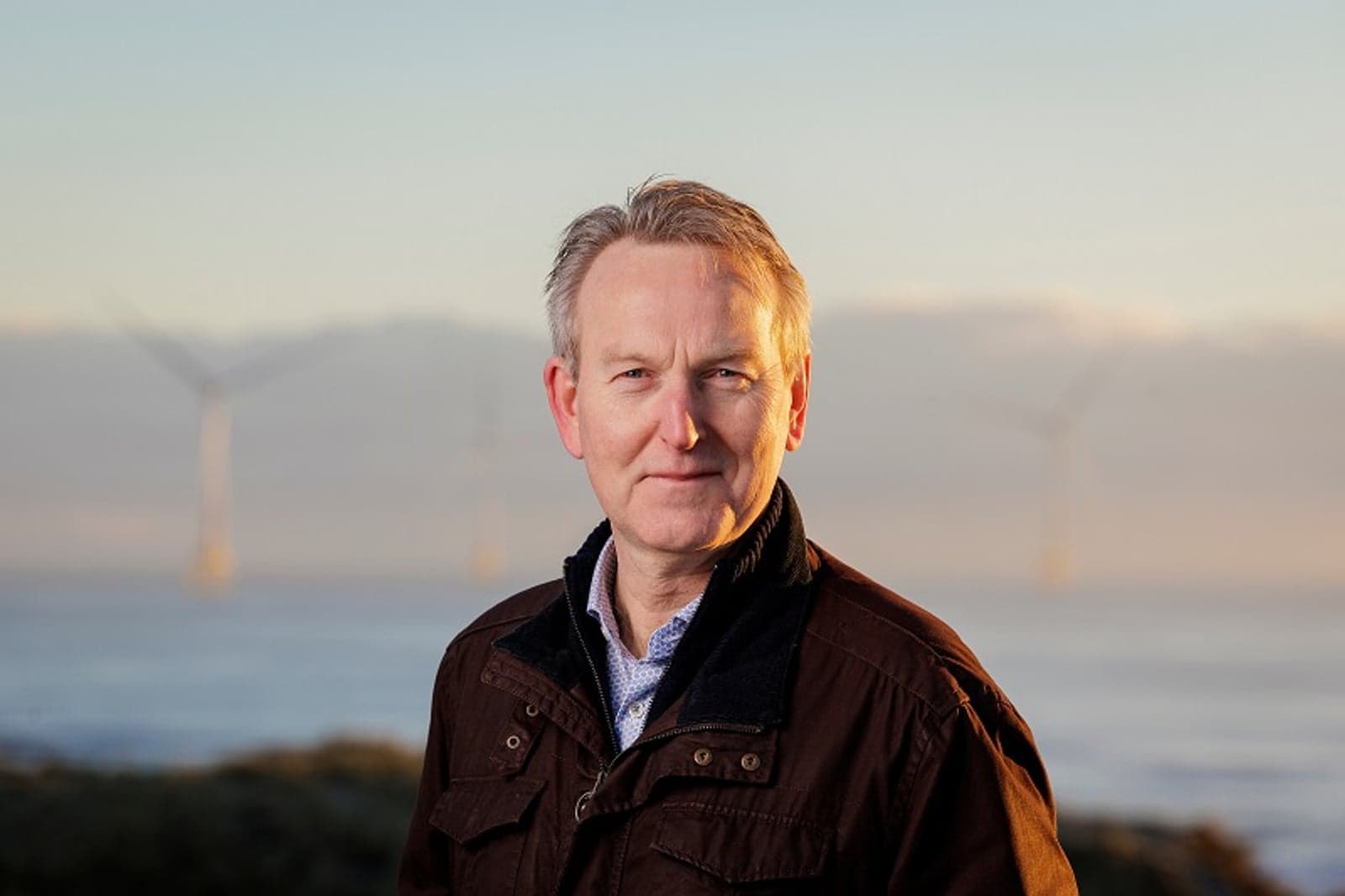
Vysus boss says UK energy sector is at a ‘tipping point’ and slams ‘short-term political positioning’
The UK energy sector is at a tipping point and risks an unprecedented exodus of skills and investment without a clear and aligned government strategy on the energy transition and greater industry collaboration.
That’s the warning from David Clark, chief executive of global engineering and technical consultancy Vysus Group.
Clark says he sees business moving away from British shores to regions such as the Middle East, Europe, Scandinavia and the Americas.
He adds that these regions are witnessing renewable and energy transition projects “accelerate ahead of the UK, in large part due to the [UK’s] uncertainty over domestic energy policy and a failure to capitalise on the UK’s potential to become a world-leader in the energy transition”.
“We operate in a global market and as such every investment needs to stack up and compete internationally, he says.
“Sadly, we are some ways behind here in the UK, where short-term political positioning, across all sides, has created an environment where the UK is no longer seen as an investment region of choice or certainty.”
Have you read?
Next UK government urged to reverse energy transition ‘drift’
Why Europe and US must share net zero lessons
Vysus employs around 400 people with a presence in 15 countries and is headquartered in the UK’s historic oil and gas hub, Aberdeen.
Clark, who is also a non-executive director of the Energy Industries Council, believes that while the UK is seen as a centre of engineering expertise, short-term government thinking and lack of a longer-term, integrated energy and industrial strategy are hindering the UK’s competitiveness on the global energy stage.
“As a company, we are less active in the UK, in part because of the state of our domestic energy market and the pace with which new energy projects are moving ahead, coupled with the uncertain market for traditional oil and gas players,” he says.
“Four or five years ago the UK, and Aberdeen and the northeast of Scotland in particular, had the opportunity to again lead the world in providing the engineering expertise and innovation needed to deliver the next generation of integrated, low-carbon energy solutions.
“Unfortunately, stakeholder misalignment and a lack of a fully-integrated, long-term strategy mean that the window to achieve this is rapidly closing with people, companies, expertise and investment going to other regions.”
Uniting energy stakeholders
Clark says that to rectify this situation “before it is really too late, we need to bring together key stakeholders from across the integrated energy sector – within government, at both national and devolved levels, the regulatory bodies, and from across the private sector, operators, developers and the supply chain”.
“It comes down to joined up thinking across the stakeholders to help give direction and unlock the potential. If we can do this, we can establish a long-term strategy and create the environment that will attract the required investment to unlock the potential.”
Clark stresses that while “the opportunity is there, it won’t be there forever, and we need to make this happen to deliver long-term stability. It comes down to joined up thinking across all stakeholders.”
Focusing on specific UK energy challenges, Clark says “designing the energy grid is a major hurdle”.
“There is a complete misalignment between developers, operators, stakeholders, and planners. The energy world is becoming ever more highly integrated. For example, we see the electrification of oil and gas, using renewables to power platforms and the integration of hydrogen for example.
“Yet, our industry is largely continuing to operate as it has done – in silos. It’s about bringing everyone together and consolidating. The last thing we need is more organisations and more bodies being set up without existing ones talking to each other.”