Partnerships key to attracting workforce for a just energy transition
Riaan Mostert
Posted on: 12 June 2024
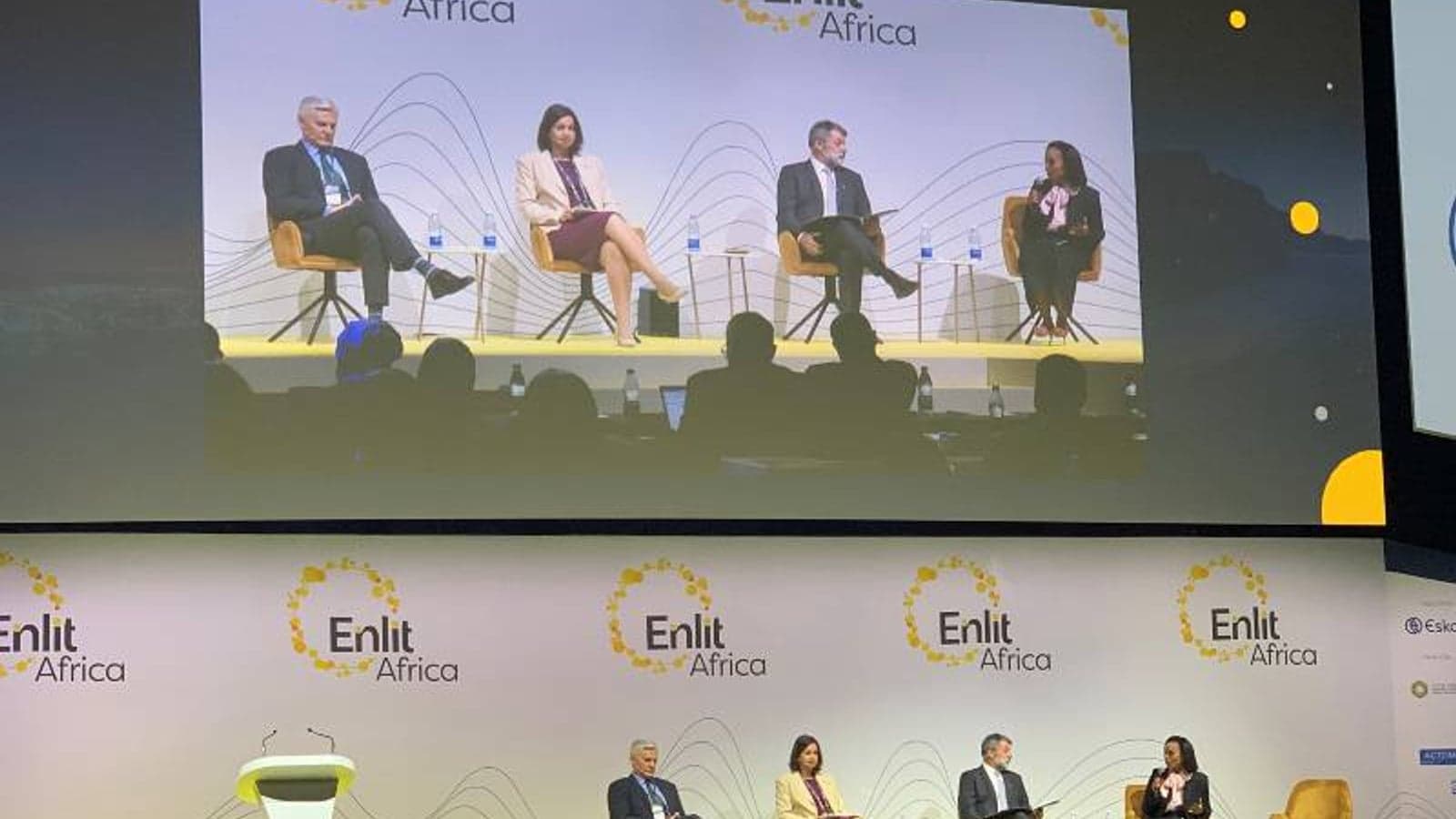
Key players in the energy sector came together at Enlit Africa to highlight the importance of a skilled workforce in a just energy transition.
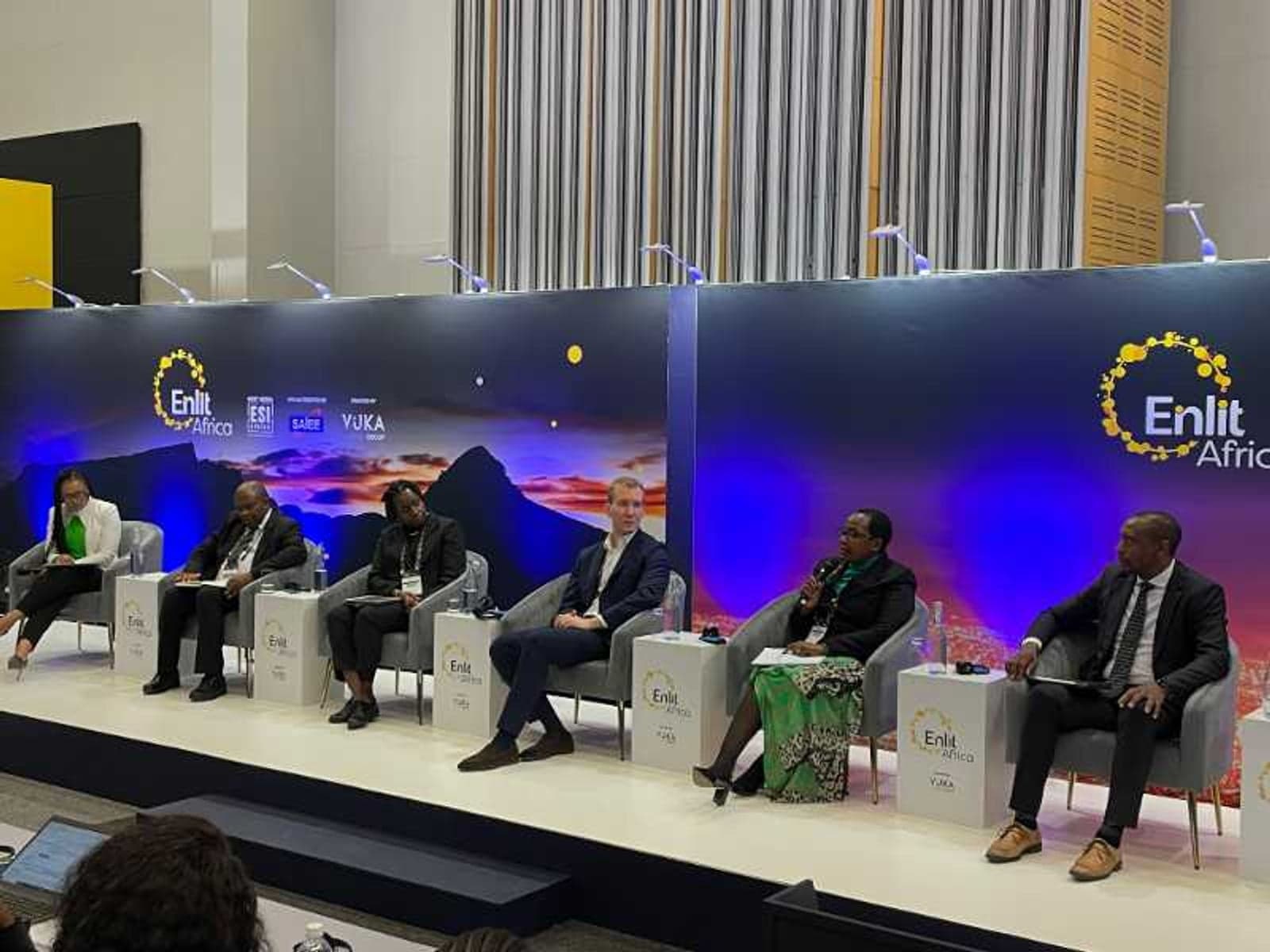
Key players in the energy sector came together at Enlit Africa to highlight the importance of a skilled workforce in a just energy transition.
The discussion came on the back of the BRICS Energy Transition Skills Report 2023 presented by Dr Titus Mathe, the CEO of the South African National Energy Development Institute (SANEDI).
The BRICS countries, namely Brazil, Russia, India, China, South Africa, Saudi Arabia, UAE, Iran, Ethiopia and Egypt, consume a third of global energy production and share half of global labour resources. With the shift from traditional, non-renewable sources of energy to renewable, sustainable sources of energy, there is now a demand for individuals with a special kind of skills to work and support the transition.
To get skilled people or upskill existing employees to achieve net zero targets, Mathe emphasized that the BRICS countries will need to focus on collaboration and partnership to develop their human capital by engaging in exchange programmes with other BRICS countries.
Have you read?
Too few women managing Africa’s clean energy companies states report
WEC hears how to unlock energy investments in Africa
Nuclear
Nuclear has started to take centre stage as during COP28 a document was signed to back nuclear energy investment. With this, it is going to be important to have a skilled nuclear energy workforce.
Dr Sama Bilbao y Leon, Director-General of the World Nuclear Association recently said while being interviewed on the Energy Transitions podcast that nuclear, like other industries, is currently challenged to find the professionals needed to drive scale-up at speed.
Alexander Kormishin, Director of International Partnerships at Rosatom Corporate Academy, said that skills need to be looked at from a partnership perspective. For example, South Africa’s national utility Eskom and Rosatom are working together by sending South Africans to Russia to attain certain skills needed in the nuclear sector.
However, Loyiso Tyabashe, CEO of the South African Nuclear Energy Corporation (Necsa) which aims to develop, utilise and manage nuclear technology for national and regional socio-economic development, stated that skilling people and developing nuclear projects should go hand in hand.
When sending people off to learn skills related to the nuclear sector, projects need to be developed in their home countries so that when they finish their qualifications, they have jobs to work on.
Tyabashe said: "If you don't have projects, even if you have skills you are going to see an exodus...", referring to nuclear professionals who left South Africa to go to countries such as the United Kingdom and the United Arab Emirates because there were no projects back home.
Mpho Mookapele, CEO of the Energy & Water Sector Education Training Authority (EWSeta) and the moderator of the discussion, echoed this saying that it shouldn't be a case of “skilling people and there is no economy for them.”
When it came to the topic of diversity and inclusion in the nuclear sector, Kormishin said that they were working to make the nuclear environment convenient for female professionals and that they had created a summer school for women seeking to enter the nuclear industry.
The problem that they are faced with has to do with the payment gap in the industry, Kormishin said: "Russia's nuclear industry has a lot to do to get to the levels that for example Eskom has reached in terms of narrowing the payment gap between female and male professionals."
Make gaining skills and upskilling a priority
Mookapele raised the question of how skills can stop being seen as charity or part of a corporate social investment project but rather as a strategic component of a company's corporate strategy.
Tyabashe said that companies need to be deliberate and that "skills need to be part of the shareholders compact" in companies. Marabwa reiterated that companies need to have skills development strategies in place where targets are set for upskilling employees.
Types of skills that will be needed
The panel also spoke about not only building technical skills but 'wholesome skills' as well. Transitional skills, strategic thinking as well as localised thinking - the ability to think locally as we deploy different technologies - were some of the skills that were spoken about.
They also agreed that attracting skilled employees for the energy transition should not be limited to technical engineering skills but can also encompass different streams like researchers, marketing and communications.
"There are competent men and women out there and amongst that group we need to move forward and diversify...," said Loyiso Tyabashe.