Too few women managing Africa’s clean energy companies states report
Enlit Editorial Team
Posted on: 8 March 2024
Shortlist and the GEAPP released a report highlighting latest data on the experiences of women in the clean energy sector in Africa.
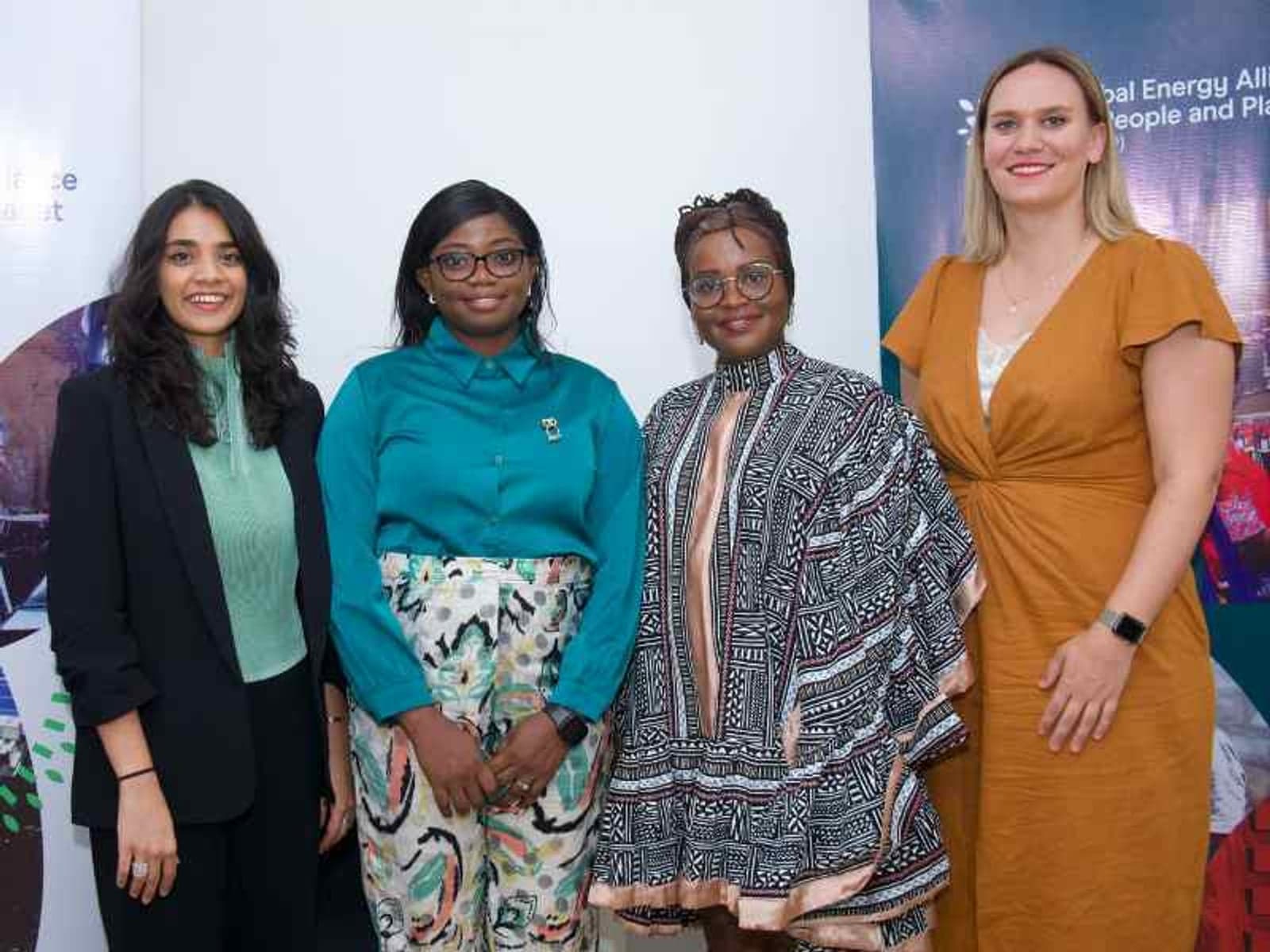
Shortlist and the Global Energy Alliance for People and Planet (GEAPP) released “Empowering Women in Clean Energy: Advancing and Retaining an Equitable Workforce,” a report highlighting the latest data on the experiences of women in the clean energy sector in Africa.
The data, collected from over 150 professionals across sub-Saharan Africa, provides insights into the causes of gender inequity in the traditionally male-dominated industry.
The report also features the sector’s first pay equity analysis, revealing the positive but unequal impact of job training and placement programs on salaries in the industry.
This report builds on the September 2023 publication, Bottlenecks and Breakthroughs: Advancing Gender Equity in African Clean Energy, which investigated the talent pipeline and recruitment barriers for women entering clean energy jobs, and focuses on workplace challenges that limit women’s advancement and retention once they have entered the sector.
Have you read?
Top women in energy empower next generation with career masterclass
One woman’s journey to becoming an award-winning engineer
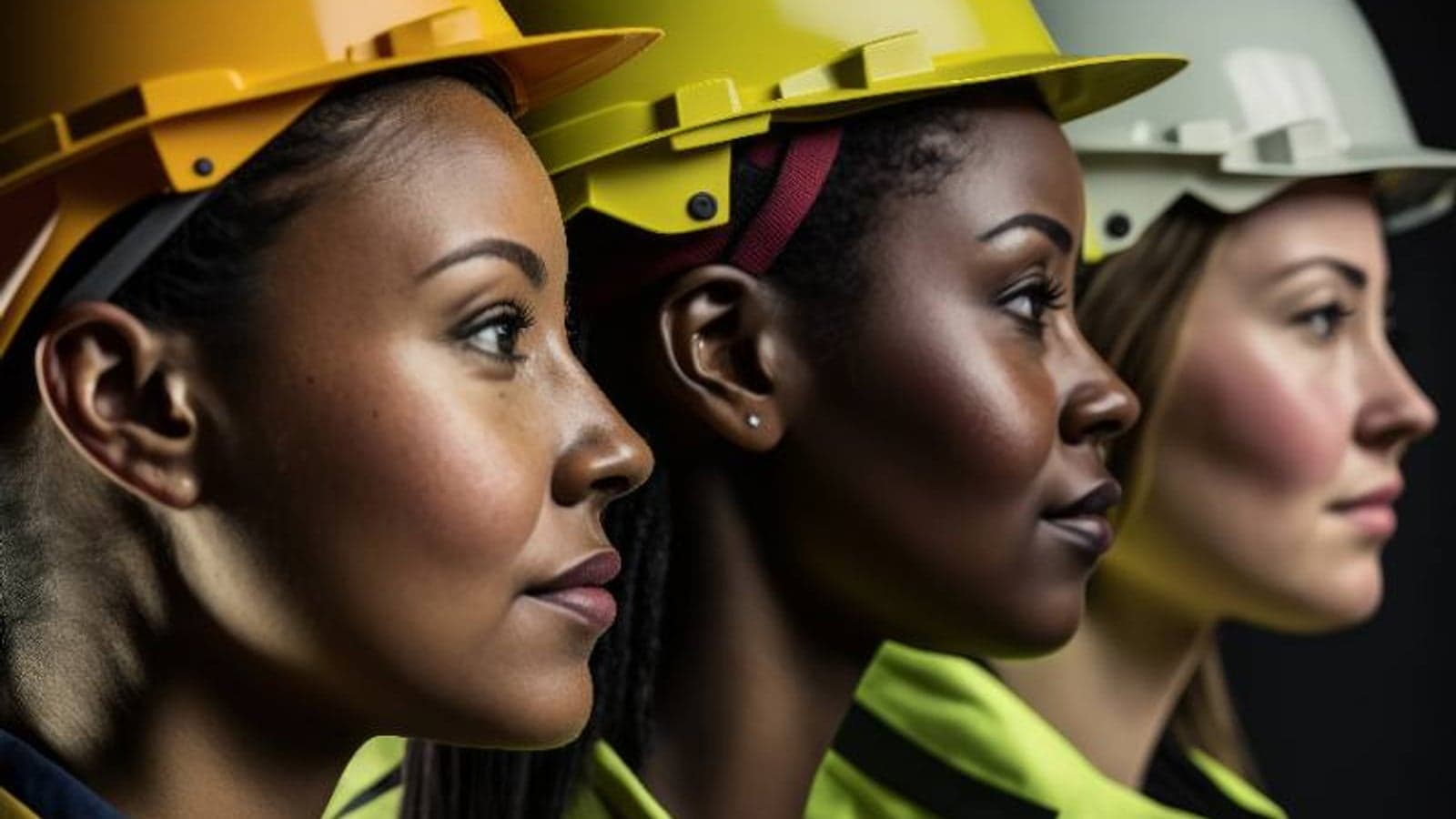
Women remain severely under-represented across levels of management in clean energy companies.
Previous research shows that women hold only a quarter of leadership and manager roles at renewable energy companies in sub-Saharan Africa. Empowering Women in Clean Energy synthesises insights from women in the field and presents recommendations for better outcomes, including structured training, mentorship and coaching programmes, transparent pathways to promotion, flexible maternity leave policies and access to female role models.
Ciara Remerscheid, director of Shortlist Futures, and author of the report said, “As investments in climate and clean energy grow in Africa, we need to pay serious attention to female labour force participation in green jobs.
“This report provides a blueprint for clean energy companies to harness the talent of women throughout their organizations.”
The reports were funded by GEAPP as part of the Women for Green Jobs (W4GJ) programme implemented by Shortlist with support from Value for Women.
W4GJ aims to help more women access and succeed in clean energy careers in Africa, specifically targeting job placements, career support and employer-level interventions across the Democratic Republic of Congo, Ethiopia, Kenya, Malawi, Nigeria, Sierra Leone and Uganda.
This programme works with over forty clean energy companies, including Husk Power, Nuru, Sistema.bio and Sun King, to support their growth by addressing equitable hiring challenges.
“Women experience the greatest repercussions of climate change, which amplifies existing gender inequalities. A powerful transformation is underway in the African clean energy sector, as companies are making explicit efforts to hire and retain women at every level,” said Makena Ireri, director of demand jobs and livelihoods at GEAPP.
“As we work to further an equitable green energy transition, we see an unprecedented opportunity to drive greater job and economic opportunities for women, youth and low-income communities.”
Empowering Women in Clean Energy: Advancing and Retaining an Equitable Workforce features a gender pay equity analysis of clean energy professionals that have been placed in the W4GJ programme over the past five years. The analysis finds that third-party training and placement programmes such as W4GJ play a crucial role in boosting compensation parity between male and female employees.
While the W4GJ programme increased incomes for female candidates in absolute terms, the analysis found that when compared to male peers in the sectors, hourly earnings for men accelerated at a faster pace than women, particularly after the program intervention.
Originally published on powerengineeringint.com