Heating and cooling experts deliver verdict on REPowerEU plan so far
Yusuf Latief
Posted on: 30 May 2024
According to energy sector experts, although a significant dent has been made from the REPowerEU plan, more yet is needed.
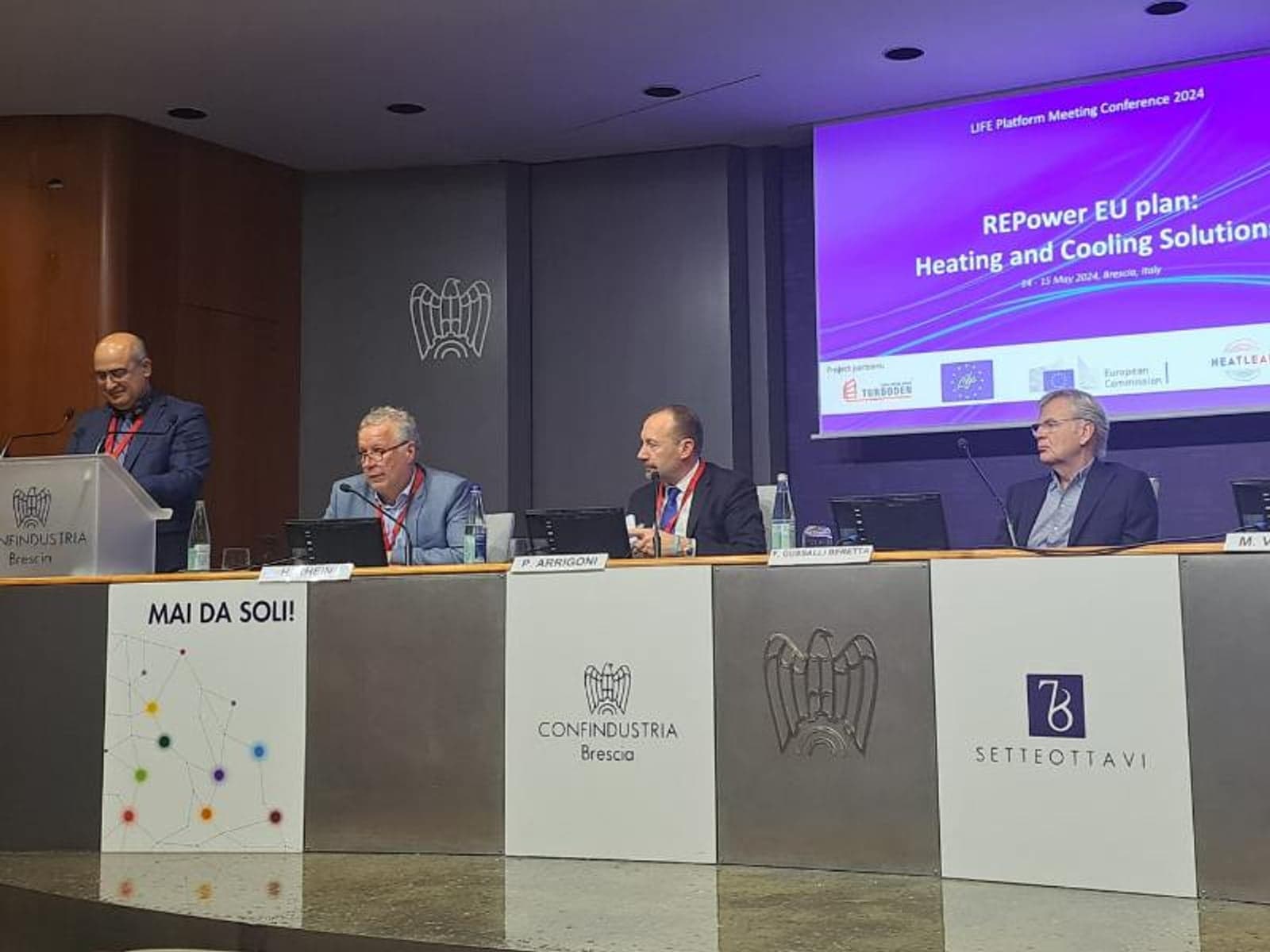
According to energy sector experts, although a significant dent has been made from the REPowerEU plan, more yet is needed, Yusuf Latief reports.
It’s been little over two years since the European Commission adopted the REPowerEU plan – the Union’s bid to distance itself from Russian gas in the wake of the war in Ukraine.
And as with any anniversary, it becomes poignant to review. In Brescia, Italy, heat pump manufacturer Turboden and regional industrial association Confindustria Brescia did just that.
A conference gathered heating and cooling sector experts to discuss progress and the overall impression was: significant progress has been made... but more is needed.
“We have significantly reduced gas imports from Russia much faster than we have expected and we’ve also managed to accelerate the rollout of heat pumps in the REPowerEU plan in the first three years, well over five million units were installed in Europe,” said Hans Rhein, CINEA’s Head of Unit for the LIFE programme.
“The REPowerEU plan has also really been a key driver to accelerate the pace of the Green Deal and the pace of the decarbonisation of the European economy.”
Indeed, when announced back in February 2022, the plan was welcomed both as a well-timed response to the Russian-sparked energy crisis while also ticking the box of promoting renewable energy sources and energy efficiency measures.
Have you read:
How digitally mature are Europe’s DSOs?
Solar as the key to achieving energy democracy in Africa
A call for implementation
Specifically, REPowerEU calls for frontloading investments in renewables and energy efficiency, aiming to reduce fossil fuel imports, double the deployment rates of heat pumps in buildings and speed up deployment of large district heating and cooling network heat pumps.
“This is very important - setting new targets and additional targets in our green transition. And heating and cooling is probably the largest consumer of energy in the EU, with about 50% of energy consumed.
“The building sector alone consumes approxiately 40% of energy - that's an important source of emissions and we need really to work on this area to achieve our 2030 and 2050 targets,” added Rhein, who said that although progress has been seen, more implementation is needed.
“In the last five years the legislative framework has been set to achieve the Green Deal targets. Now is really the time for implementation and it will be a challenging time for heating and cooling.”
Adding urgency to his sentiment, Rhein cited data showing that we are already poised to surpass the 1.5 degree Celsius target and that in Europe, “the environment is heating up much faster that the rest of the world.”
Thus, “in Europe, we have a particular interest to accelerate our green transition and to remain the front runners.”
Over 130GW in renewables deployed
Prior to the event in Brescia, Kadri Simson in a release noted valuable milestones of the REPowerEU plan.
According to the European Commissioner for Energy, over the last two years ago, there has deployment of 130GW of renewable energy, or 24bcm.
Said Simson: “Last year, Europe generated more electricity from wind than from gas, as wind power grew by a record 55TWh from 2022 levels.
“Results are even more telling when you look back to the start of the mandate. Solar installation volumes soared from 16.8GW in 2019 to 55.9GW last year. The renewables increase was especially visible in the electricity sector.
“Here the share of renewables in the electricity generation mix jumped from 30% in 2019 to 38% in 2022 and to more than 40% last year.
“Biogas and biomethane production are on the rise everywhere in Europe. Renewables, with their low cost, and storage, by reducing energy waste, have contributed to bringing electricity prices back to pre-war levels.”
Avoiding siloes
Of course, more is needed and according to Maria Velkova of DG CLIMA, key to ensuring Rhein’s called on implementation will be to avoid working in siloes.
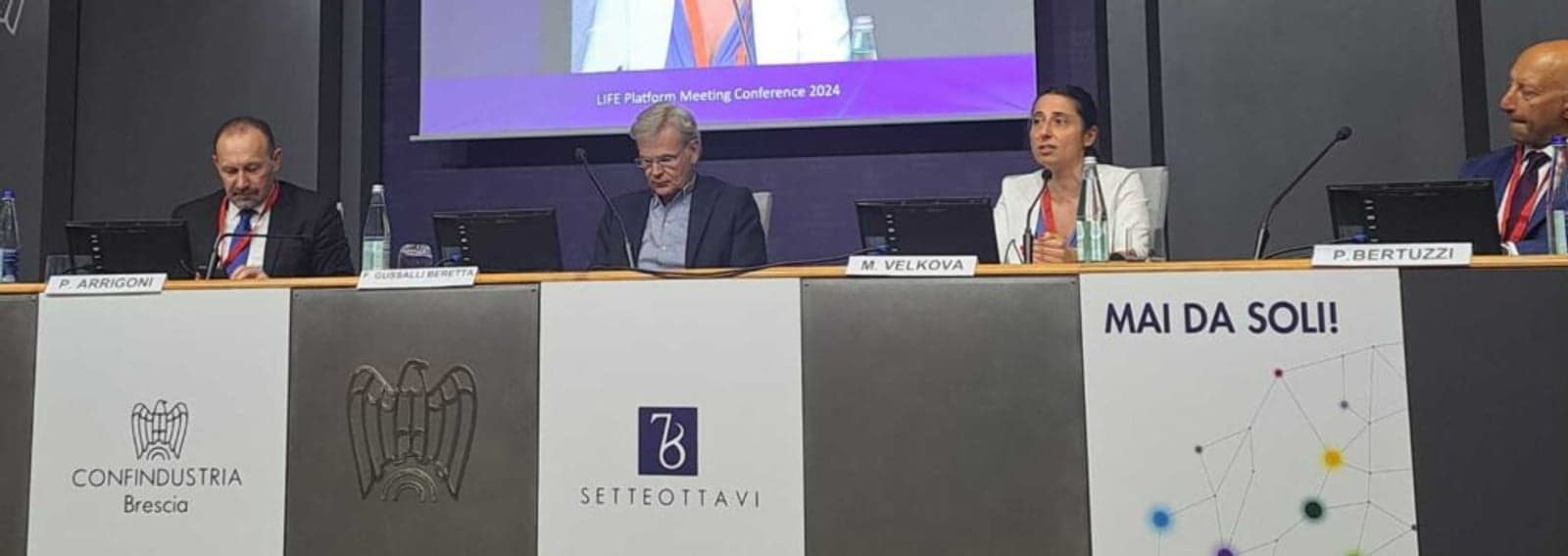
Velkova, who is Deputy Head of Unit for Research and Low Carbon Technology Development, addressed attendees during the conference in Brescia – consisting of project developers and other sector stakeholders – encouraging them to share and collaborate.
“You're involved in many different types of projects, developing technologies, best practices, strategies and all these are important.
“With these knowledge sharing events, we hope to speed up the transition to reduce the cost, because there's no point that everybody works on their own and struggles with the same type of barriers.
“Whether you're installing renewable energy or heat pumps, here in Italy, Austria or in Sweden, there are many things that can happen in the same way and with the same type of barriers.”
Said Simson: “We have halved our energy import bill – and I truly believe we will never again be vulnerable to energy blackmail by Russia.
“Together, we need to tell this story loud and clear. Renewables are at the heart of REPowerEU and are Europe's energy future.”