First SMR deal in Argentina is nuclear investment landmark
Jonathan Spencer Jones
Posted on: 14 July 2026
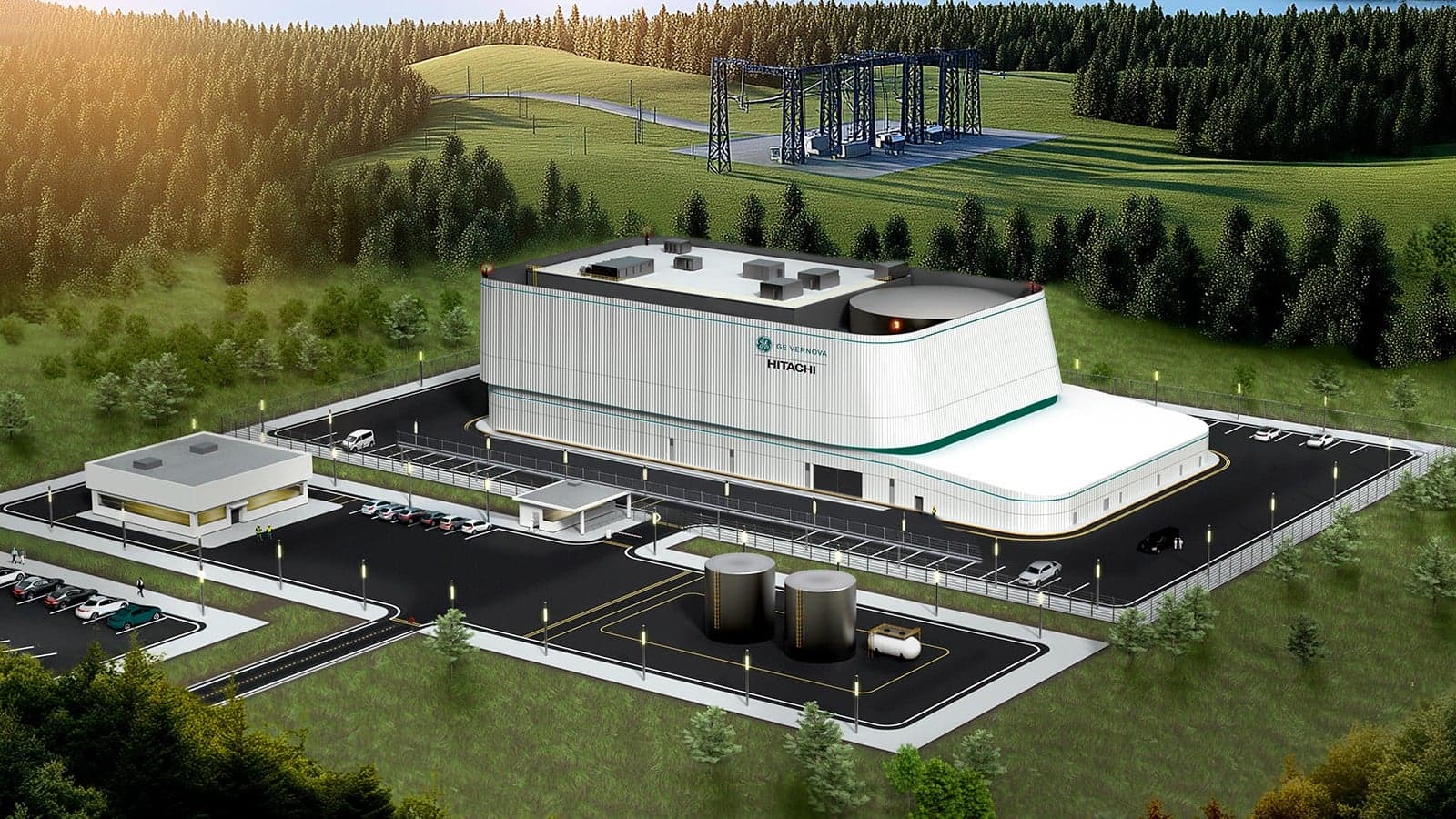
Meitner Energy has committed to building an ACR-300 small modular reactor at the Atucha nuclear complex outside Buenos Aires.
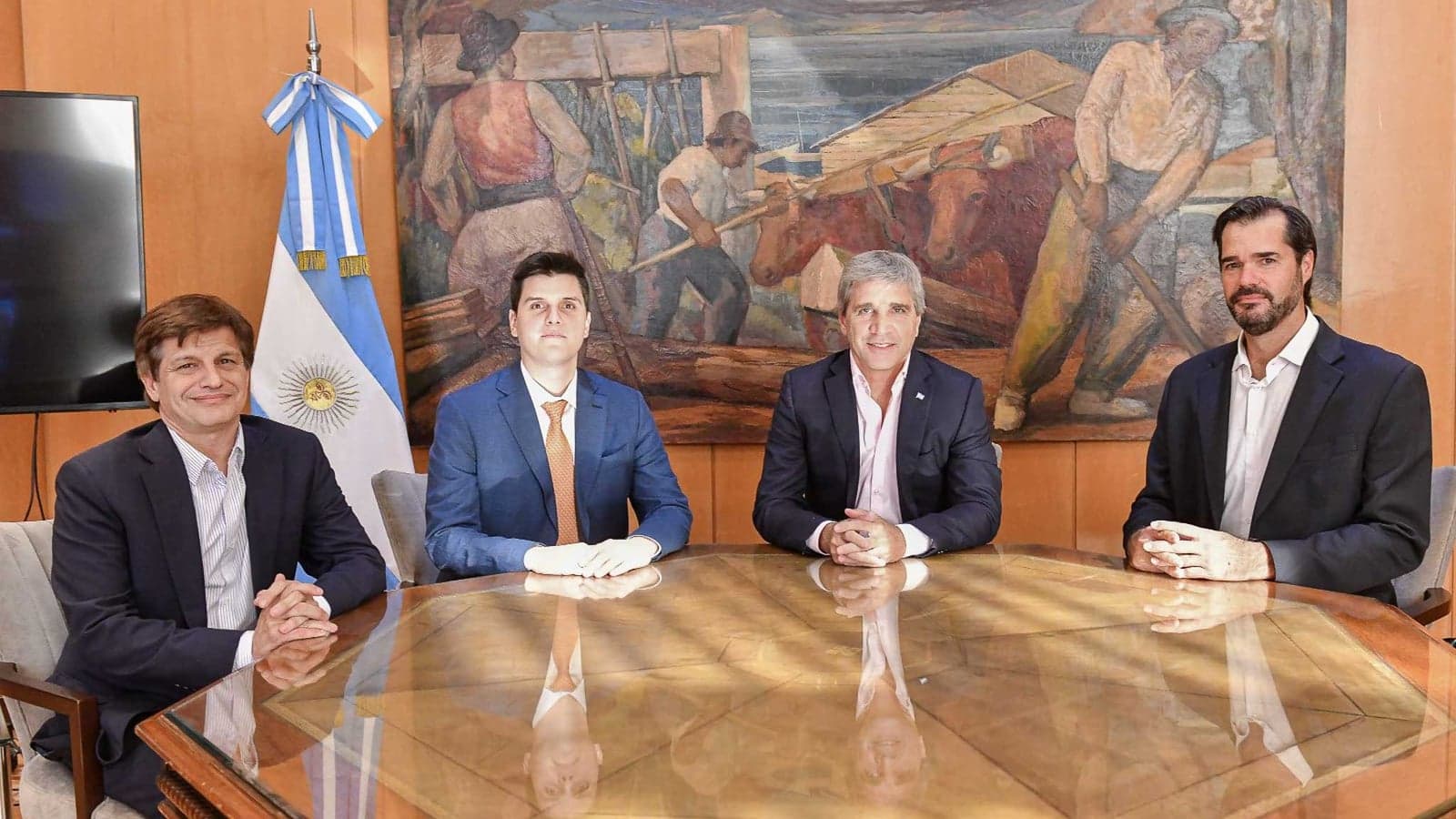
The initiative, which was announced by Argentina’s economy minister Luis Caputo, will have an estimated investment of $1.2 billion, which will be funded through US private capital and mark the largest investment in the history of the country’s nuclear sector.
The ACR-300 is a 300MWe Gen III+ light water SMR, which is designed and patented by the Bariloche headquartered Invap.
Around 2,000 direct jobs are expected to be created during the development, construction, commissioning and operation phases, Caputo wrote on X.
“We continue working to advance nuclear technology that drives Argentina’s energy development,” he continued.
No date has been specified for completion, but in March 2025 plans were announced to install four ACR-300 SMRs at Atucha, with the first in operation by 2030.
This would seem to be confirmed on Meitner Energy’s website, which headlines: “Electrification begins in 2030”.
Meitner Energy is constituted 40% by Invap and 60% by the Ansari US investment group.
Cost effective
Of the ACR-300, it asserts that it is the only SMR designed to be scalable and cost effective and that it has the lowest physical construction burden per megawatt among grid scale SMRs.
Atucha is located approximately 100km northwest of Buenos Aires and contains the 362MWe Atucha I – the first nuclear plant in Latin America – and the 745MWe Atucha II plant.
Together with the 656MWe Embalse plant a further 600km distant at Rio Tercero, these under the management of Nucleoeléctrica Argentina contribute approximately 8% of Argentina’s electricity generation.
Also of interest
The untapped opportunity inside North America's nuclear plants
Nuclear in transition: Insights from Siemens Energy
Atucha I, which came into operation in 1974, is currently undergoing a 30-month upgrade and modernisation. Due to be completed in early 2027 the works should give a further 20 years of operating life.
Works being undertaken include updating the electronic and mechanical systems, renovation of the reactor and refrigeration systems and structural reinforcement to comply with the current international security requirements.
While work is ongoing the plant is operating at around 88%.
The announcement comes as the National Atomic Energy Commission (CNEA) is facing a labour dispute due to the latest layoffs as part of the ongoing austerity measures to trim the public sector introduced by President Javier Milei.
According to the Buenos Aires Times quoting the factchecking outlet Chequeado based on government data, the CNEA’s budget has been cut by 58% since Milei took office in December 2023.