Home
/
The global energy transition is a collaboration, not a competition' says Wartsila's Malin Östman
The global energy transition is a collaboration, not a competition' says Wartsila's Malin Östman
Enlit Editorial Team
Posted on: 20 October 2023
Wärtsilä Energy VP expresses her views on what steps should be taken around energy market redesign to achieve a decarbonised system.

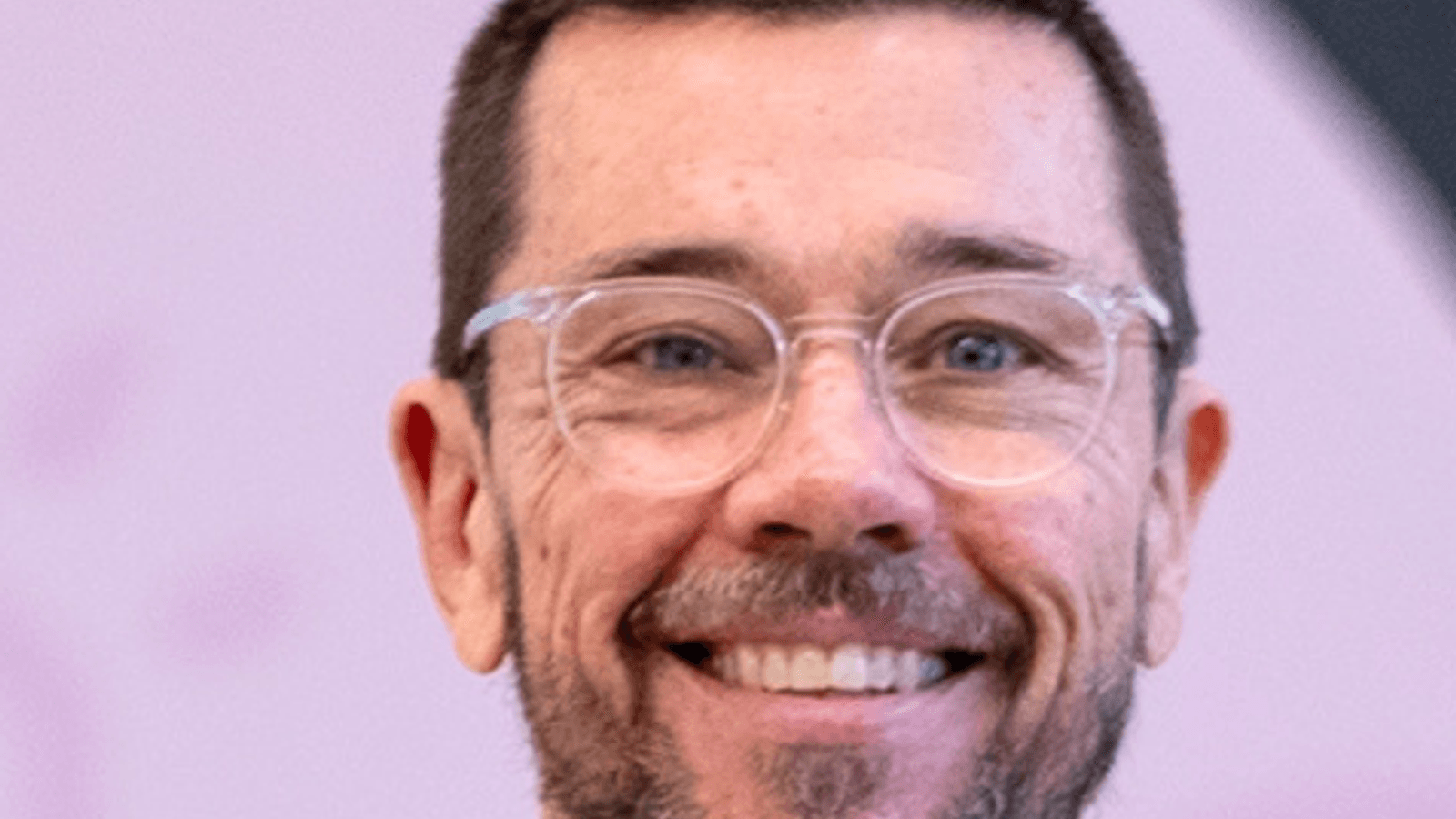
In an Enlit exclusive, Malin Östman, Vice President of Strategy & Business Development at Wärtsilä Energy, shares her views on the status of the energy transition, and what steps should be taken around energy market redesign to achieve a decarbonised system.
What are the top three challenges to delivering the energy transition?
The energy transition is increasingly complex with many different challenges that must be addressed in unison to ensure a just and equitable transition, not only in Europe but globally. While there are more than three challenges to address, there are three key areas where I feel we must advance:
- Secure enough investment in renewable energy: Wärtsilä’s modelling shows that renewable generation can and will function as the new baseload for our power system and as the feedstock for decarbonising other hard-to-abate sectors. To advance decarbonisation and reach crucial emission reduction goals we need a lot more renewable generation capacity. Hence, we must ensure that we continue to provide the right conditions for scaling up investment in renewable energy projects.
- Balancing renewable energy: To support a power system based on renewable energy, we need to evolve our electricity markets and infrastructure to enable a net zero power grid. A renewable-based power system will need flexibility and balancing to be sustainable, affordable, reliable, and secure. In Europe, we need to navigate the difficult question of energy market redesign to successfully deliver mechanisms that incentivise flexible capacity for balancing intermittent renewable energy.
- Decarbonising other sectors: Renewable energy and a low- or zero-carbon power system is central to delivering decarbonisation for other critical sectors, including heat, industry, chemicals, and transport. Electrification and the production of sustainable fuels will increase the electricity demand, and hence the need for increased renewable capacity and balancing. Taking a holistic system-level approach to the energy transition is vital.
What single action will accelerate the deployment of clean energy?
Unfortunately, one single action is not enough to speed up and scale up the deployment of clean energy to the required level.
Some steps must be taken in the short term to accelerate the energy transition, one being to address delays in planning and permitting renewable energy projects across Europe. However, we should acknowledge that improving permitting processes will not be enough to effectively deploy more renewable energy.
As the amount of renewable energy capacity connected to our grid grows, we must ensure that the power system can balance and integrate this new ‘renewable baseload’. This requires energy market redesign to secure sufficient flexibility and reserve capacity, to ensure that our power market is fit for purpose in the future.
Our views are set out in detail in our Energy Market Redesign: For a decarbonized Europe report, highlighting the need to:
- Create a capability market to attract investments in flexible capacity - defining a technology-agnostic regulatory framework that assesses the capability of technologies to balance the grid effectively;
- Improve the price transparency of the current system for balancing, stimulate growth for additional solutions and services that support renewables; and
- Enable strong, granular price signals that allow the power system to respond faster, incentivising flexibility.
What excites you most about the European energy transition?
The energy transition is a worldwide challenge, and together we can support a just transition. One thing I have always found inspiring about Europe is the ability to come together, despite obstacles, to show joint leadership in truly difficult situations. With the energy transition, I believe Europe has an amazing opportunity to showcase this leadership and deliver innovative and sustainable solutions that can also serve as examples for countries and regions worldwide.
How will your industry experts address these challenges at Enlit Europe in Paris?
We are looking forward to engaging with some of the core issues and challenges that we face in addressing the clean energy transition in Europe.
At Enlit Europe, the Wärtsilä team will focus on some of the critical issues for delivering a future net-zero energy system with:
- A deep-dive into how we could reshape the European energy market to support a clean energy-based power system;
- A presentation on the required strategies for enabling flexibility in the electricity grid; and
- An energy storage hub presentation on fire safety and how better testing can stop grid-scale battery fires.
Have you listened to:
Energy Transitions Podcast: Europe’s urgent need for flexible balancing power
Energy Transitions Podcast: Talking pros and cons of EU’s electricity market reforms with EFET
Do you think Europe is at risk of losing its first-mover status in the energy transition?
I would like to challenge the fundamental premise of that question. We should look at the global energy transition as a collaboration, not a competition.
Delivering a clean energy transition regionally and globally to avert the worst impacts of the climate crisis is an urgent matter because if we do not, the entire global community will suffer the consequences.
Europe has a responsibility and the opportunity to show leadership in the clean energy transition, and I hope we continue to do so. The Just Energy Transition Partnerships we have seen with South Africa and Indonesia, are examples of the kind of global collaboration we must strive for. The world is closely interconnected by the impact of climate change, and progress towards decarbonisation in one region can benefit others, whether through technology solutions, best practices, or commercial models.
If Europe can continue to show leadership in the energy transition, it will benefit all Europeans but it’s equally important that other regions and countries make headway, and we should support that. In short, the energy transition is not a zero-sum game, but a net zero co-op game.
Wärtsilä will take part in several exciting sessions at Enlit Europe in Paris, 28-30 November 2023.
Join Malin in the Summit on 29 November: EU's electricity market reforms, the key elements and how they will affect the market.
Latest content
+1
Project TradeRES – New market designs for green European power system: preliminary findings
TradeRES is an EU-finded project with the objective of developing and testing an innovative electricity market design that can meet society’s needs in a near 100% renewable power system.
- Guest/partner contributor
- 15/05/2024