WEF warns of disorderly energy transition amid fears of climate action failure
Kelvin Ross
Posted on: 11 January 2022
World Economic Forum says businesses need to be innovative and visionary to seize significant opportunities

World Economic Forum says businesses need to be innovative and visionary to seize significant opportunities
‘Climate action failure’ has been identified as the number one global risk in the next 10 years by the World Economic Forum.
In its annual Global Risks Report published today, WEF states that “undoubtedly the climate crisis is the biggest long-term threat facing humanity”.
“Our planet is on fire and we have to deal with it,” said WEF president Børge Brende at a press conference.
Rewind a decade, and 2011 was the first time that climate change figured in WEF’s top five global risks. Now it is one of the dominant worries.
The report was compiled by WEF in collaboration with Marsh McLennan, SK Group and Zurich Insurance, and while the most pressing global risks involve the economic and societal side effects of the coronavirus pandemic, it is climate mis-steps in conjunction with extreme weather that remain constant concerns over the coming decade.
Severe weather events
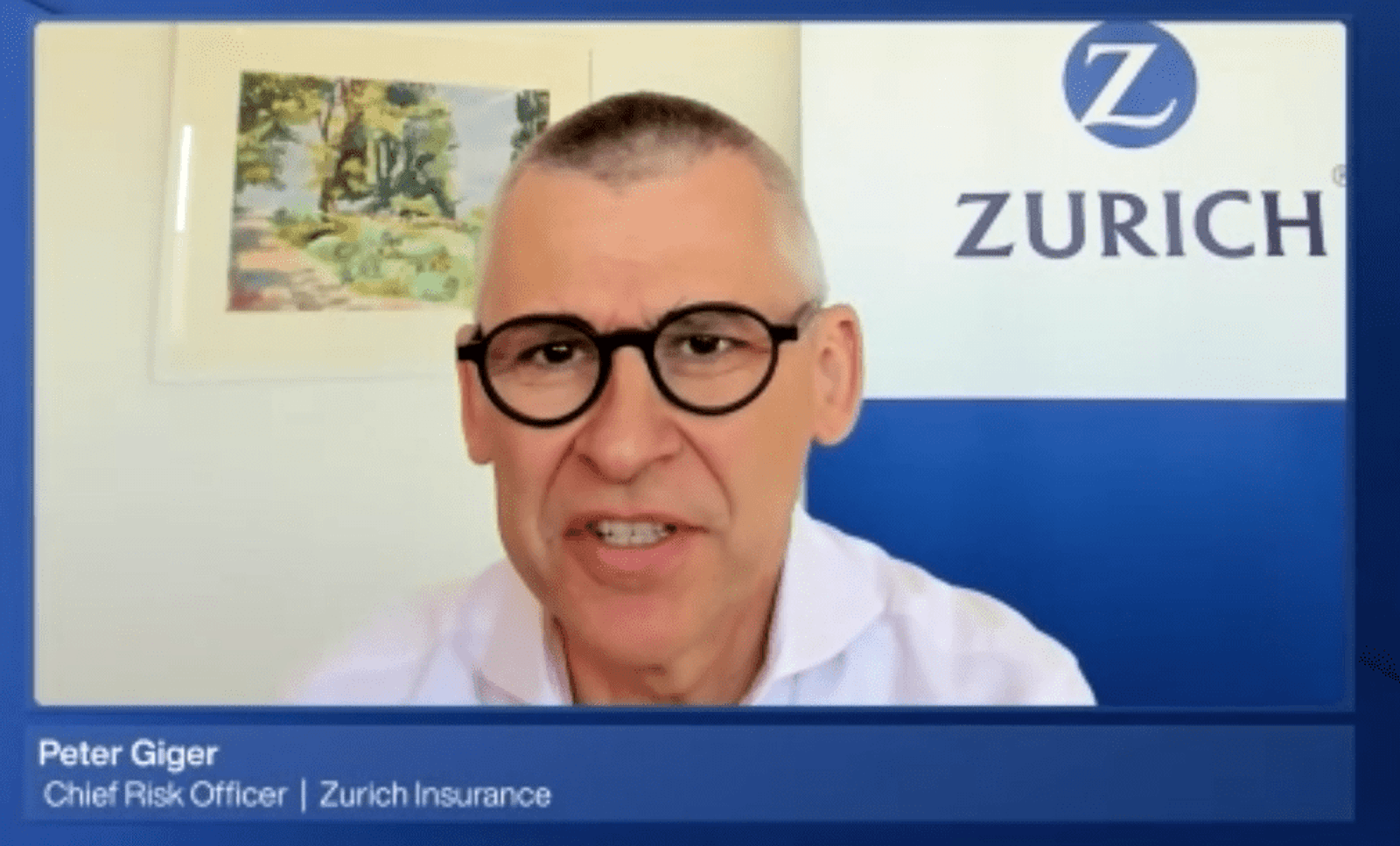
Peter Giger, group chief risk officer at Zurich Insurance Group, says that the most documented risks associated with climate action failure are physical risks, such as an increase in the frequency and severity of severe weather.
But he stresses that the risks linked to the transition to a net-zero future are getting more attention. “A disorderly transition would exacerbate these risks, impacting the ability for organizations to conduct business, causing economic volatility and destabilizing the financial system.”
Despite some progress being made at last year’s COP26 climate conference in Glasgow, the report emphasises that the time for rhetoric is over and the time for action is now.
“There is much work to be done and time is short,” says Giger.
“There are only eight years left in this decade and unless governments and businesses quickly take tangible and effective climate action in the next 12-18 months, there will be pressure to rush through actions later in the decade, potentially with a raft of new policy – and perhaps harsh economy-wide interventions – to meet their deadlines.”
Green infrastructure
Giger stresses that climate action must be measured and not knee-jerk. “The fear is that late and rapid policy shifts will leave businesses and societies with little time to adapt and could cause deep disruption. It will also provide less time to develop and finance the necessary green infrastructure and technologies.”
He warns that a ‘disorderly’ energy transition will likely hit carbon-intensive sectors and their supply chains the hardest, citing a forecast that some eight million jobs in fossil fuel sectors could be lost by 2050.
“Like in other industrial revolutions, whole industries may disappear if their business models are incompatible with a net-zero future.”
He adds that a disorderly transition “will have far-reaching economic and social implications. The current energy price spikes are just the tip of the iceberg in terms of the impact of the net-zero transition.
“Whole industries may disappear if their business models are incompatible with a net-zero future”
“If governments put too much pressure on investors to divest from fossil fuel companies in a precipitous way, then this will only produce supply constraints, energy price instability and a reduction in energy security, which will create geopolitical risks.”
He uses that the global financial crisis as an example of where “disruptions in one sector can quickly spread across the entire economy and trigger political intervention. This will affect the livelihoods of individuals and disrupt labour markets.”
Yet Giger says a disorderly transition is most likely what we will get. “The concept of an orderly transition seems very unlikely given the scale of the technological, economic and societal changes needed for decarbonization, especially if greenwashing or stalling on commitments delay the transition. Previous industrial revolutions have also been highly disruptive and disorderly.
Dangerous waiting game
“Expecting governments to enact the right regulations in a timely manner is a dangerous waiting game. We’re likely to end up with a ‘too little, too late’ scenario. It’s best to take lessons from previous transitions. For instance, the losers from the digital transition waited for change to impact them, rather than driving change themselves.”
Giger advises to see a disorderly and disruptive transition as an opportunity. “Even in the COVID-19 pandemic, businesses that are agile, innovative and resourceful have thrived. Many have helped us to adapt to the pandemic by producing vaccines and personal protective equipment that save lives, to providing remote communication tools and home delivery services that help us continue our lives during lockdowns.
“Businesses need to be innovative and visionary entrepreneurs. We are entering a new kind of industrial revolution and leaders must adapt or even transform their businesses to become part of the net-zero future – and avoid being adversely impacted by it.”
But he stresses that “although a disorderly transition appears inevitable, it is not too late to smooth out the journey. Governments and businesses can still make bold steps to assess the risks they face, and then take action to drive an innovative, successful and inclusive transition that protects economies and jobs.”
Behaviour shift
He said governments need to introduce ambitious climate policies that back up their nationally determined contributions with action, and also work with carbon-intensive sectors to introduce clear incentives to invest in net-zero technologies and to encourage a shift in consumer behaviours that creates demand-destruction for carbon-intensive products and services.
“The removal of fossil fuel subsidies and the introduction of carbon pricing would be a great first step.”
And he adds that it is vital that “no one gets left behind. Policies that accelerate the reskilling of workers in carbon-intense sectors – such as the fossil fuels industry – are just one example.” He said that by 2050, 42 million people could have jobs in the renewable energy sector, compared to 11 million in 2018.
“The road to net-zero will not be perfect,” said Giger. “Net-zero transition represents a significant short-term threat to financial and economic stability, yet it offers great opportunities too.
“But ultimately, it’s on us. As individuals, communities and businesses we need to take steps to adapt and prepare for the changes that will come: to be ready to grasp the opportunities.
In case you missed it: Five predictions for energy transition trends in 2022