Home
/
Energy poverty is a multifaceted global problem: It’s time to involve all stakeholders across all regions
Energy poverty is a multifaceted global problem: It’s time to involve all stakeholders across all regions
Guest/partner contributor
Posted on: 11 March 2022
Marine Cornelis and Manon Burbidge reflect on the outcomes of the first International Energy Poverty Action Week.
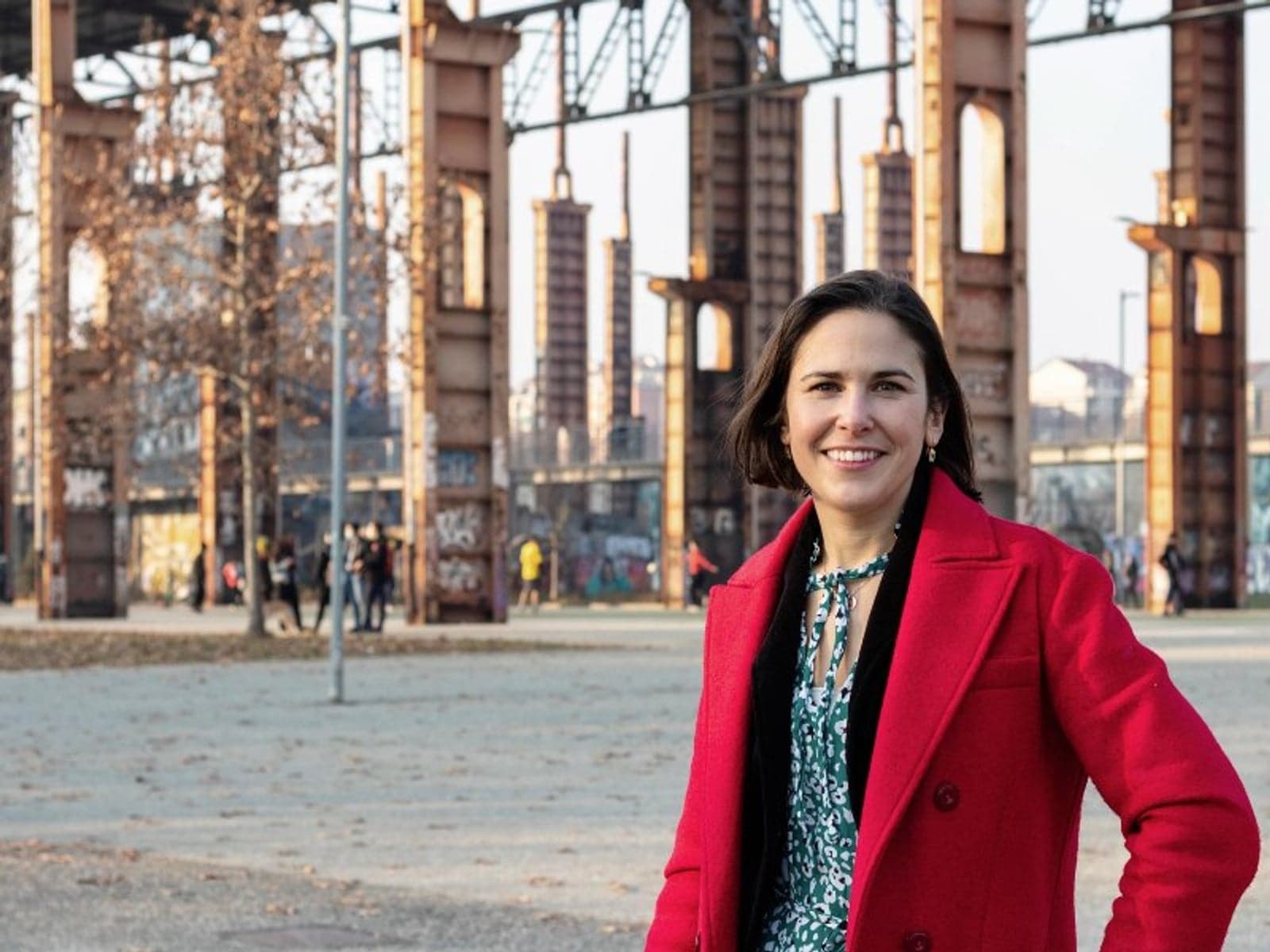
Marine Cornelis and Manon Burbidge reflect on the outcomes of their first International Energy Poverty Action Week (IEPAW) that took place at the end of February 2022. According to them, the event, organised in only a few weeks by a group of volunteers, experts and activists passionate about the subject, was undoubtedly a success.
The series of online webinars, taking place over five days, gathered around 300 participants from over 50 countries. There was also a great breadth in the diversity of the speakers in terms of gender, representative region, professional background and experience, well reflecting the diversity of those working to end energy poverty around the world.
Energy poverty has a global footprint
Energy prices have been a major concern for several months in Europe. With the recent sanctions on Russia, fears over energy access and scarcity are starting to increase, with the war in Ukraine and the spectre of supply limitations reminding governments that infrastructures are essential.
Until now, energy poverty in Europe has mainly been understood as the inability of a household to meet its energy needs due to low income, high energy prices, and the poor energy efficiency performance of housing. Experts and activists have been calling for more inclusive approaches towards energy poverty, as can also critically impact both physical and mental health, the ability of a household to purchase adequate food, and is a profoundly structural issue, requiring policy action at multiple scales.

When the organisers came together to brainstorm on the topics to include in the agenda for International Energy Poverty Action Week, the organisers agreed that the most vulnerable in society are the people least responsible for climate change. Climate and social objectives are intertwined, and a clean, just energy transition is part of the solution in the fight against energy poverty.
The key trends driving those energy system transformations are often referred to as the 'four Ds': decarbonisation, decentralisation, digitalisation, and democratisation of the energy systems, with a visible impact at the economic, social, geographical, and political levels.
At present, European and Western experiences of energy poverty and solutions to tackle the issue dominate the policy space. Listening and learning from how countries in other regions, particularly in the Global South, understand and act on energy poverty is vital.
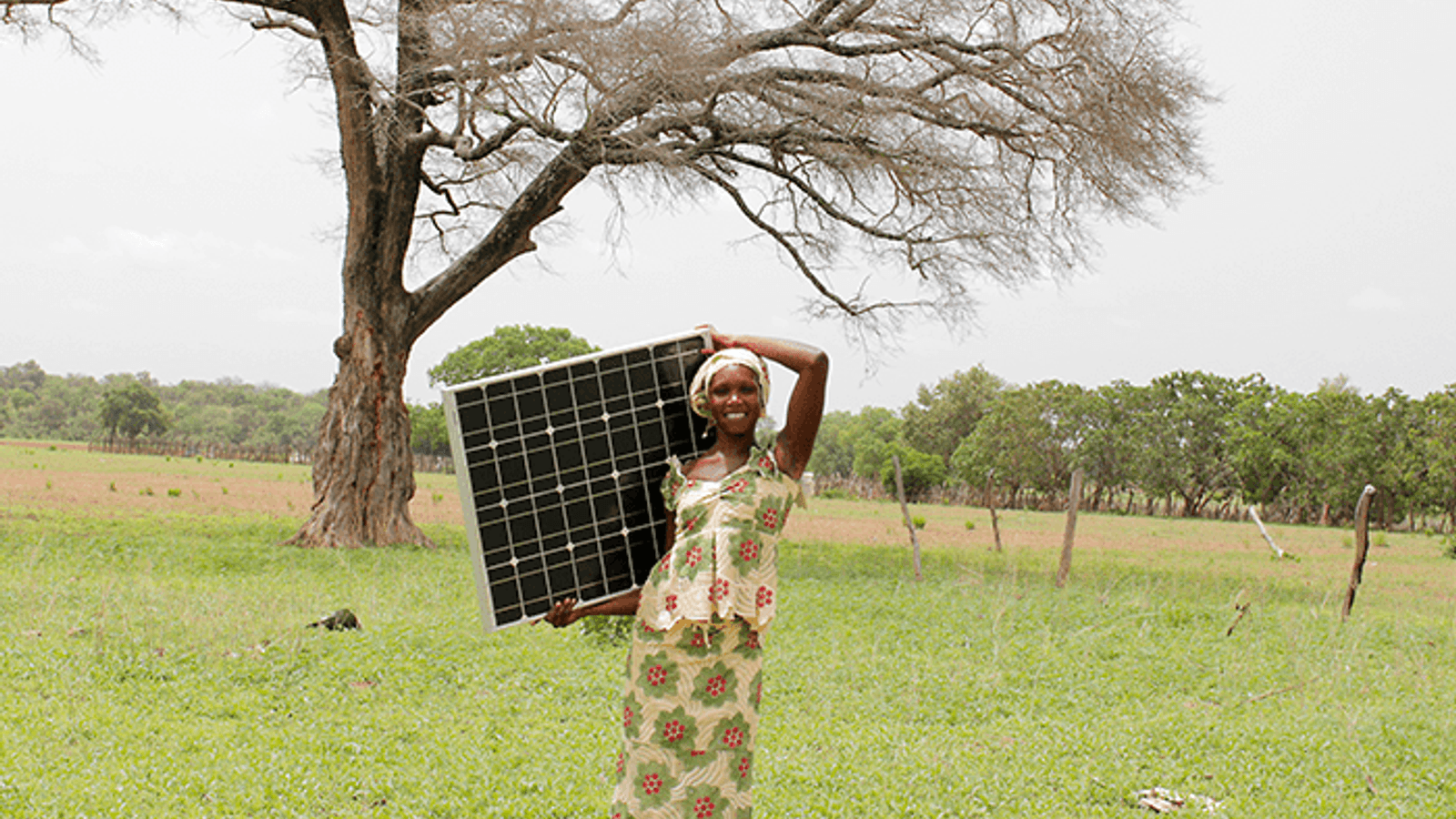
For example, Africa, where one in two people has no access to electricity, equating to more than 600 million people, many mini-grid solutions are being rolled out to fill the access gap, a solution that is gaining interest and traction in Europe.
Across the world, the ‘four Ds’ affect the energy systems, both at the generation and wholesale and retail levels, regulation, and the various stakeholders' missions and impact, although to different extents and depths. It is time to look beyond Euro-centric perspectives and open the conversation.
Have you read?
Ed’s note: Energy poverty in our own backyard
Fit for purpose means fair by design
Decarbonising industry can be ‘mission possible and profitable’
People have the power to change things.
Although energy poverty looks different for different people, the starting point was often the same for all continents: a lack of coordination between various players and policies, uneven access to funding, and often a lack of long-term policy vision. For example, infrastructures are critical. Still, their costs may be unsustainable, challenging poverty alleviation and environmental conservation objectives. Therefore, it is essential to think differently, for example, through smaller-scale projects with more significant, localised effects from which others can learn and scale-up.
Communities have so much to teach us: we need to listen and engage in localised and decentralised decision-making. Case studies presented during the week demonstrated the great potential for knowledge transfer between countries and continents, particularly regarding energy decentralisation, community ownership and participation.
For example, in Nepal, rapid electrification (the annual growth rate is 4.3% against a global average of 0.8%) is taking place thanks to energy communities, a flagship approach to the energy transition that is still struggling to take hold in Europe. In the East African Rift region, Geothermal Villages unlock the great potential of community-owned resources and create value while respecting the environment.
However, good practice in one place is not necessarily relevant elsewhere, and thus policies must be tailored to the specific contexts where they are being implemented. During the discussion focused on Asia, one speaker mentioned a pilot programme in Nepal that had not taken off because it did not correspond to the consumption habits of the populations concerned.
The project implemented an ‘improved’ cooking stove shared at the village level - but in this community, families are not used to cooking together, although this kind of practice is widespread in other countries.
Have you read?
EU Projects centre stage at Enlit Europe
‘Digitalisation is key’ – Manuel Galvez, European TSO policy lead, Elia Group
More than ever, we need intersectional policies and approaches that put equality, including between genders and communities, at the heart of the action and implement legal frameworks that support renewable energy development while supporting individuals (laws, regulations, etc.). This includes favourable financial support systems, e.g. staggered payment systems, flexible tariffs, subsidies.
In conclusion, the first International Energy Poverty Action Week confirmed the structural aspect of energy poverty and left us with a number of lessons to take away:
- Firstly, employment, energy, climate, health, social protection and housing policies are all interlinked and can impact experience and instances of energy poverty.
- Secondly, energy issues remain highly technical and require collaboration between all parties and direct involvement of people. This will help overcome mistrust in institutions that is common among the groups affected by energy poverty.
- Thirdly, many gaps remain that need to be filled, e.g. in data collection (data on system governance could be illuminating in understanding the dynamics at stake). Many areas are not yet covered or recognised in the academic literature.
- Fourthly, we need to move away from the Eurocentric narrative that has dominated academia and the policy space. We can all learn from each other!
These challenges and lessons are the reason why we are already looking forward to the next edition of IEPAW, which will take place in the 3rd week of February 2023. More than ever, cross-sectoral coordination requires breaking down governance silos in policy, legislation and implementation. Stakeholders, be they public officials, NGOs, academics, professionals, or the industry, need each other to solve social, energy, and climate challenges. We hope to see many of them join us next year.
Marine Cornelis is the founder & executive director of Next Energy Consumer
Manon Burbidge is a research associate, working in the field of energy poverty and policy at the University of Manchester
Related tags
Latest content
+2
Empowered Consumer Series S2 E1: The Question of Energy Affordability
In this session, our panel explored questions related to Energy Poverty and Energy Affordability, illustrating with examples of novel work and initiatives that seek to help make energy more affordable.
- Enlit Editorial Team
- 24/02/2021