Home
/
What I love most about my job is the impact it allows me to make says Damilola Adeyanju
What I love most about my job is the impact it allows me to make says Damilola Adeyanju
Riaan Mostert
Posted on: 17 October 2024
In this edition of Power Women, a Q&A series highlighting women across the value chain in the energy sector, Kamogelo Motse talks to Damilola Adeyanju.
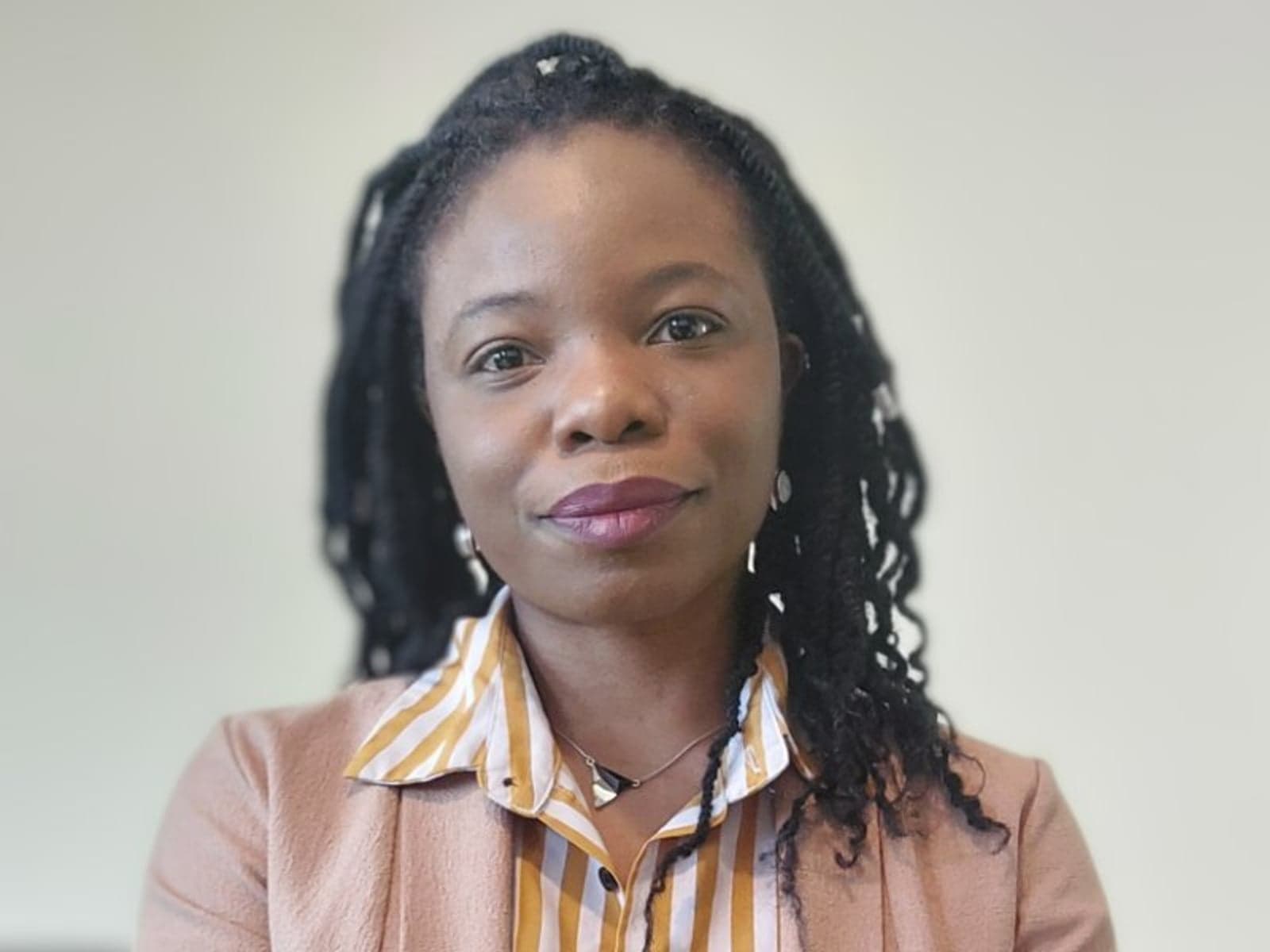
In this edition of Power Women, a Q&A series highlighting women across the value chain in the energy sector, Kamogelo Motse talks to Damilola Adeyanju.
Damilola Adeyanju wears many hats. She is a Systems Programme Manager at Climate Group (Energy Systems), a Global Future Energy Leader at the World Energy Council, a Co-founder & Co-chair of Future Energy Leaders the Netherlands and a European Climate Pact Ambassador, DG-CLIMA at the European Commission.
What attracted you to work in the energy sector?
My journey into the energy sector began during my Bachelor's in Geology, where I was first introduced to the industry through alumni talks focused on oil and gas. Back then, my understanding of energy was limited to just oil and gas. However, during fieldwork and volunteering activities in remote villages in my home country, Nigeria—many of which lacked electricity and faced issues like oil spills—I began to see the need for alternative, cleaner energy sources.
Witnessing the stark contrast between energy abundance in some areas and the desperate need for clean, reliable power in others was a wake-up call. I realised that energy wasn't just about powering cities; it was about empowering people. It led me to pursue a Master's in Renewable Energy Management, where I could align my career with impact.
It's incredible to reflect on how, in 2016, I had never heard of COP or the Paris Agreement. Yet today, I'm not only aware of these global efforts but am actively contributing to the energy dialogue and its future through my work and extracurricular activities.
Who is your role model in (or outside of) the energy sector?
I have many role models, both within and outside the energy sector, who have inspired me in various ways. In this case, I’ll highlight someone in energy who I greatly respect: Damilola Ogunbiyi, CEO of SEforAll (and not because we share the same name).
I find her work in advancing energy access and driving the energy transition truly remarkable and inspiring, especially in how she has supported governments in shaping their energy transition plans. I was fortunate to have met her in person at an event earlier this year—it was an exciting day that reaffirmed my passion for the energy sector and deepened my commitment to contributing to its future.
What do you love about your job?
What I love most about my job is the impact it allows me to make. Knowing that my contributions to the energy sector translate into real, positive change for people and the planet excites me every day. I'm deeply passionate about the SDGs, and I’ve come to realise that energy plays a pivotal role in achieving all of these targets. This understanding makes me proud of the work I do.
Losing a parent was a moment of profound reflection for me—it made me ask myself, "When I leave this world, what do I want my legacy to be?" I chose a legacy of impact, one that I can look back on 30-40 years from now with pride, knowing I not only contributed knowledge but also empowered people by supporting the energy transition. I feel truly blessed to have the opportunity to do that through my work in the energy space.
Have you read?
Diversity fosters innovation, problem solving and creativity says Charlotte Johnson
Diversity of knowledge critical to succeed says Sofia Tavares
Why is diversity important for the energy industry?
Diversity is essential for the energy industry because the energy transition also requires a transition in the economy and society as a whole. Solutions and effective pathways will not be one-size-fits-all. The beauty of diversity is that it offers a strong opportunity to better understand community needs and priorities while also fostering innovative, fit-for-purpose solutions.
We must also recognise that communities are diverse—they don’t all share the same cultural perspectives or levels of understanding. A diverse workforce in energy allows us to truly listen to these communities with a deeper understanding, leading to more effective solutions and greater adoption of energy transition measures and technologies. I’ve witnessed firsthand how powerful diversity can be in enhancing knowledge exchange.
Through the World Energy Council's Future Energy Leaders program, I’ve had the privilege of meeting and collaborating with many diverse individuals in the energy sector. This experience has been an accelerated learning journey, helping me better understand regional perspectives and apply that knowledge in my work and contributions to energy.
What is the biggest challenge and opportunity for the energy transition in the next year?
Biggest Challenge:
I see the skills gap for an adequate workforce as one of the biggest challenges for the energy transition in the next year, along with the energy literacy of communities. The green skills gap is growing rapidly, and if this isn't addressed in energy transition planning, it could pose a significant risk.
Even if all the necessary technology and policy measures are implemented, an insufficient workforce due to skills shortages could derail progress toward net-zero targets. Therefore, there needs to be a stronger focus not just on deploying technology but also on developing the skills needed to keep pace with it.
Today, permitting delay is a major bottleneck for the energy transition, which I believe can be mitigated through enhanced energy literacy within communities. For example, in Europe, approximately 80 GW of wind power capacity is currently stuck in permitting procedures, according to WindEurope, and in some countries, it can take up to nine years to obtain a permit for a single project—often due to inadequate engagement with key stakeholders and a lack of technical capacity to streamline the permitting process.
Renewable energy developers must work closely with local communities, governments, and environmental groups from the early stages of project planning to achieve smoother permit approvals. Energy literacy is essential and can also enhance capacity building.
The more people understand the benefits of the energy transition, the more likely they are to support and adopt new technologies. Therefore, we need to disseminate energy literacy at scale, using innovative communication strategies to effectively reach diverse communities.
Biggest Opportunity:
While these challenges are significant, they also present opportunities. By focusing on closing the skills gap and improving community engagement, we can accelerate the deployment of renewable energy technologies and make substantial progress toward our net-zero goals.
Digitalisation in the energy sector also presents a major opportunity. As more integrated energy systems emerge, cybersecurity risks may increase, requiring robust measures to ensure system reliability and security.
Additionally, directives such as the revised Energy Performance of Buildings Directive, which calls for enhanced smart readiness levels in buildings, will open up significant opportunities for digital innovation and solutions.
If you could go back to when you started work, what career advice would you give to your younger self?
If I could go back to when I started work, the advice I’d give my younger self would be to be your own advocate. Learn to advocate for yourself and don’t wait for others to recognise your contributions—be confident in showcasing your achievements and asking for the opportunities you want, even if you don’t have all the experience in the world.
There’s nothing wrong with taking control of your career path through a bit of self-promotion—after all, if you don’t tell people what you’ve done, how will they know?
Track your achievements because that's the validation you need to remind yourself of your capacities and be present in the moment because there will always be another milestone to reach—so savour the wins and celebrate them.