Home
/
Are gas turbines the most important link between the past and future of energy generation?
Partner content
Are gas turbines the most important link between the past and future of energy generation?
Guest/partner contributor
Posted on: 2 April 2024
While the world is declining its use of fossil fuels, it cannot and will not be able to stop using fossil fuels in the short term - that’s why there is a need to build resilient energy systems for power generation that can adapt from using fossil fuels to utilising clean energy.
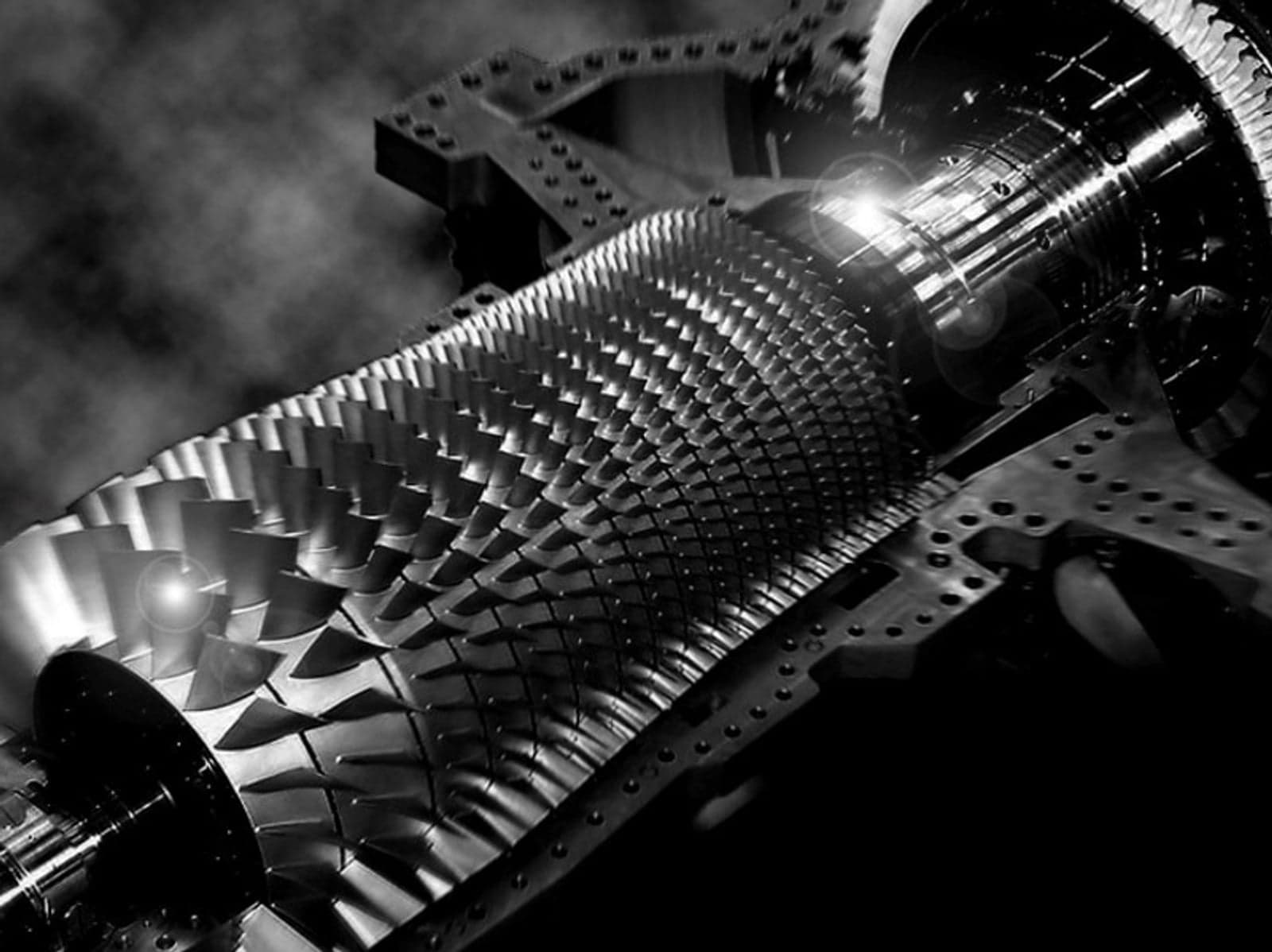
While the world is declining its use of fossil fuels, it cannot and will not be able to stop using fossil fuels in the short term – that’s why there is a need to build resilient energy systems for power generation that can adapt from using fossil fuels to utilising clean energy.
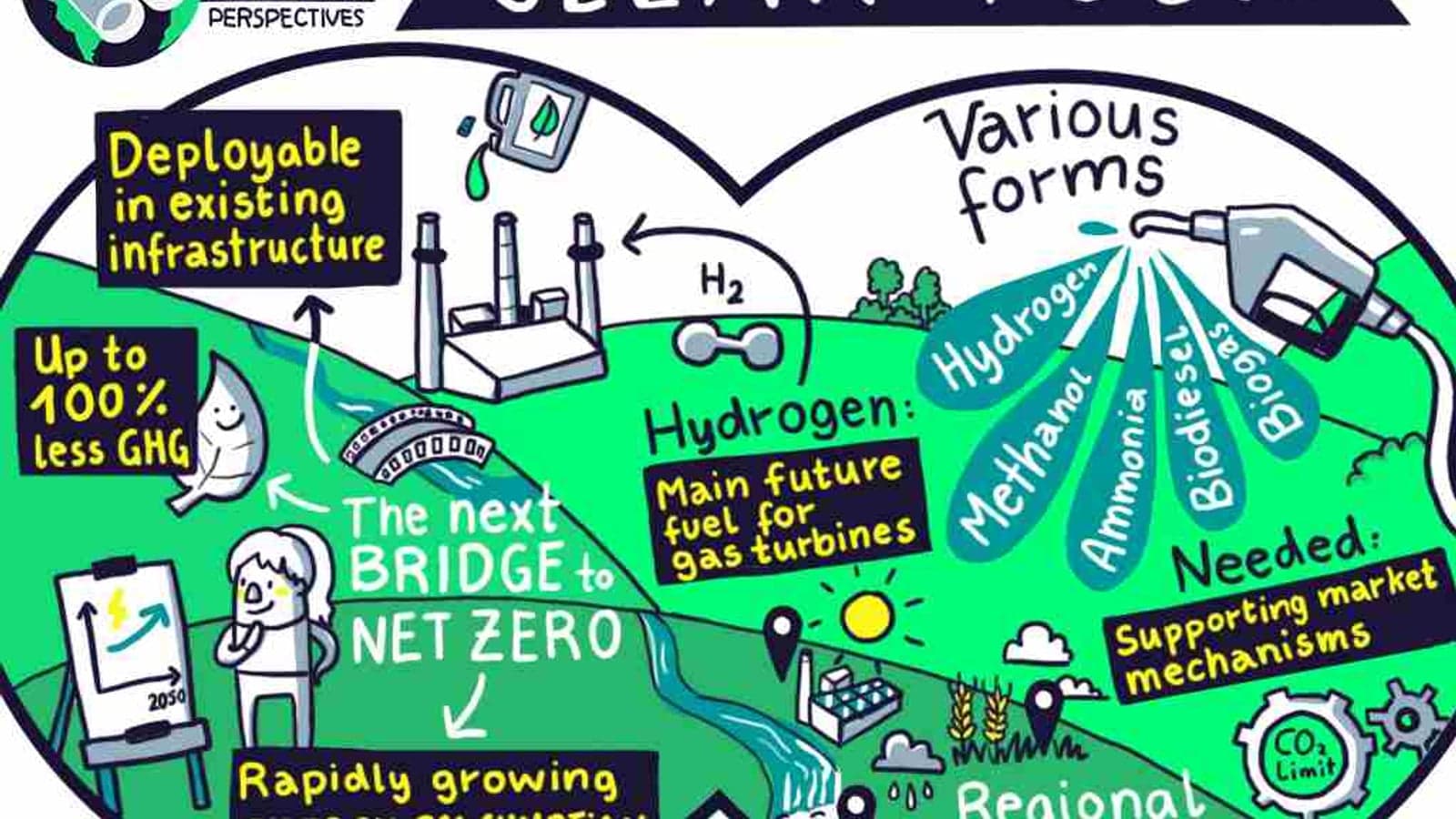
And while gas turbines may have their origins in the age of fossil fuels, utilising natural gas, they have a crucial role to play in transitioning power systems to using clean fuels, such as hydrogen, for long-term power generation.
Modern gas turbines have the dual benefit of having highly efficient fuel combustion and fuel emissions, with the ability to be fully adapted to use fuels like hydrogen, delivering a major carbon reduction impact. Even with small volumes of hydrogen blended, significant emissions reductions are possible.
The final challenge will be turbines running on 100% hydrogen, providing grid services and electricity in hours without renewable resources. But even during the energy transition, as we move towards an emissions-free world, these highly efficient turbines can reduce dependence on fossil fuels by using a blend of green hydrogen and gas.
For two decades, Mitsubishi Power has validated combined-cycle gas turbine power plants with hydrogen power. All new gas turbines today are ‘hydrogen ready’ to various extents, with a line-up of combustion technologies, which can co-fire on anything from 10-100% hydrogen. This presents a very attractive decarbonisation pathway for power operators.
Our most advanced gas turbine has a world-class reliability of 99.6% and an efficiency of 64%, the world’s highest, reducing CO2 emissions by 65% and replacing coal-fired generation with natural gas. The turbine can generate up to 840MW of power in a combined cycle set-up and is fully adaptable for hydrogen fuel, running on up to 30% hydrogen and 70% natural gas.
To accelerate the commercialisation of hydrogen, Mitsubishi Power has a diverse range of partnerships in action globally. Collaboration is key to commercialisation – partnerships deliver diverse learning and validation environments, which lead to innovations and ultimately to efficiencies. Greater efficiencies lead to reduced costs, and this is critical to scale the use of hydrogen in our power systems.
In Europe, we are working with technology partners to support decarbonisation needs aligned with the European Commission’s 2030 Climate Target Plan to cut greenhouse gas emissions by at least 55%. As the transition to renewables is significantly accelerated across the region, hydrogen has a critical role to play, given its ability to balance intermittencies on our energy grids.
In the UK, Mitsubishi Power is part of the Zero Carbon Humber Partnership which brings together a range of stakeholders to create the world’s first net zero industrial cluster by 2040, where we are playing a key role in advancing low-carbon hydrogen, carbon capture, and carbon removal technology. In Cork, Ireland we’ve signed an MOU with Bord Gáis Energy and Centrica to explore the development, construction and operation of Europe’s first-ever ammonia-fired power generation facility, providing insight into the feasibility and scalability of low-carbon ammonia as a green fuel.
In the United States, we’ve completed the world’s largest hydrogen fuel blending at Georgia’s McDonough-Atkinson plant with a blend of 20% hydrogen at the Advanced Clean Energy Storage facility in Utah. This will provide a combined hydrogen cycle that will deliver a renewable hydrogen storage capacity of 1.6GW to Los Angeles, running on a blend of 30% hydrogen and 70% natural gas from 2025, incrementally expanding to 100% by 2045.
Using gas as a transition fuel with hydrogen delivers a clear decarbonisation pathway for heavy industry – one that is fully adaptable to local environments, plant requirements and budgets. The technology can meet power operators where they are on their decarbonisation journey, which is vital in the short-term.
In the medium term, hydrogen’s range of applications and benefits can support and enable the transition to renewable-powered economies, which are the future. We are at a point of no return – a tipping point whereby renewable generation is exceeding fossil fuel generation in several parts of the world and hydrogen has a critical role to play in enabling this transition.
About the author
Dr. Javier Cavada, is the President and CEO for EMEA, Mitsubishi Power, the power solutions brand of Mitsubishi Heavy Industry (MHI).
Dr. Cavada’s mission is to drive Mitsubishi Power's expansion and build pathways to decarbonization for new and existing customers. Deploying a range of in-house technologies, Mitsubishi Power is committed to futureproofing existing power infrastructure to accelerate the evolution of hydrogen and ammonia as a clean fuel that will enable the low-carbon economies of the future.
With more than 20 years of global experience in the energy sector, Dr. Cavada has led companies through all corporate development and growth phases. Before joining Mitsubishi Power, he was President and CEO of Highview Power, a developer and leader in long-duration energy storage. Before that, he spent 17 years with Wärtsilä Corporation serving as President of the energy division and executive board member, driving the organization towards its vision of a 100% renewables-powered world.