Partner content
Hydrogen: a new class of renewable energy
Guest/partner contributor
Posted on: 2 April 2024
Hydrogen is increasingly recognised as a key enabler of the energy transition, both as a fuel to decarbonise heavy industry that cannot be simply electrified and as a storage medium for renewable energy. Another important application for hydrogen is its role in grid security, flexibility and stabilisation.
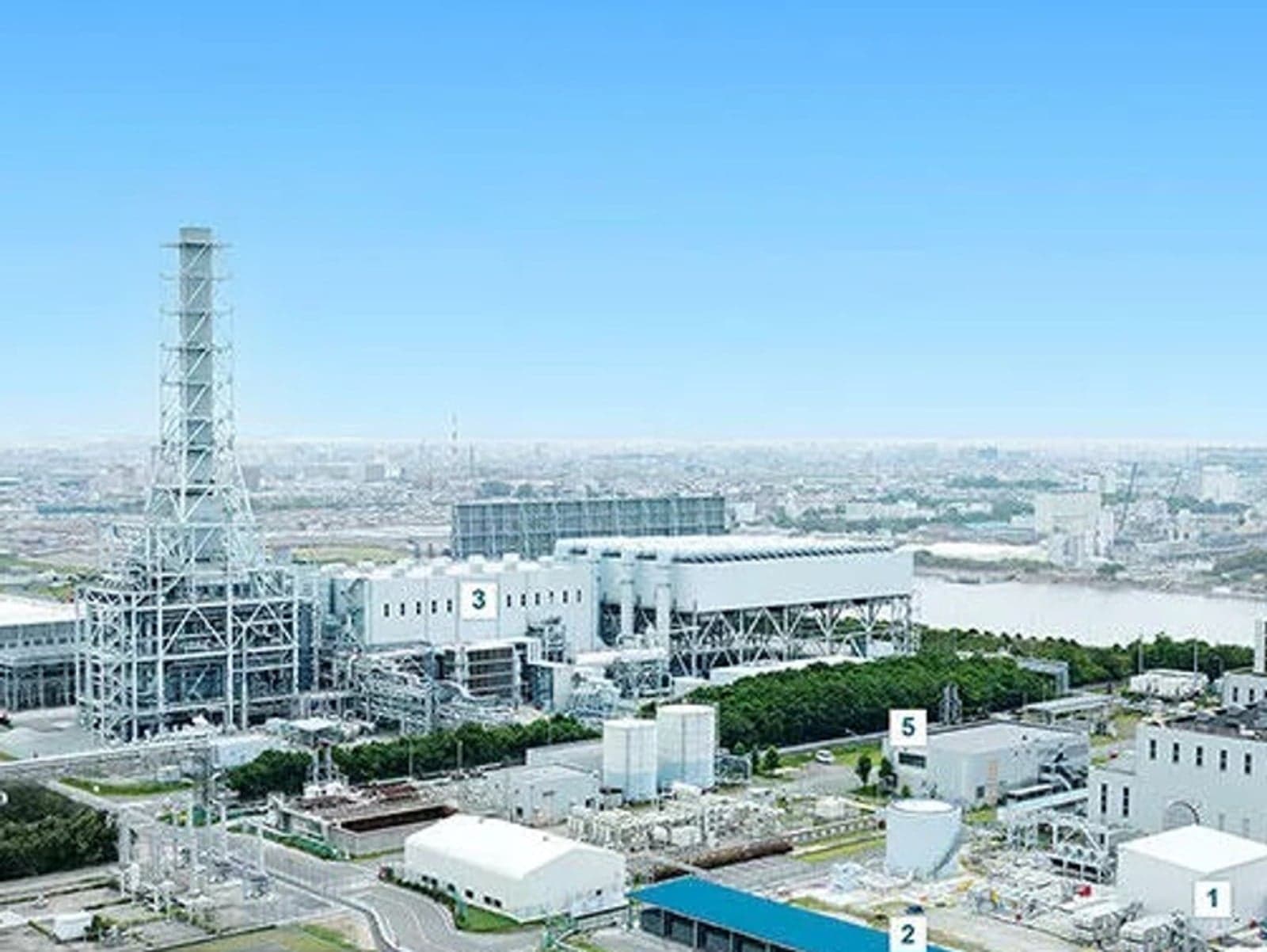
Javier Cavada of Mitsubishi explains how they prepare for a hydrogen future through testing and technology updates.
Hydrogen is increasingly recognised as a key enabler of the energy transition, both as a fuel to decarbonise heavy industry that cannot be simply electrified and as a storage medium for renewable energy. Another important application for hydrogen is its role in grid security, flexibility and stabilisation.
Grid stabilisation has emerged as a key challenge in the face of increasing demands on the energy grid owing to the rapid increase in installed capacity from renewable sources. In traditional energy systems fossil fuels, such as coal, and gas, as well as low carbon sources such as nuclear, provide reliable and constant stability to the grid, known as an energy baseload.
As the world prioritises making progress towards meeting climate change goals, stabilisation services must ideally be carbon neutral (or negative). Further, they need to act in the same way as thermal baseload power – controllable, reliable, and deliver the fastest response possible to meet the demands of a modern electricity system.
Gas-fired power stations add security and flexibility to the network, helping to supply power at times when low wind or a lack of sufficient sunlight makes renewable generation challenging.
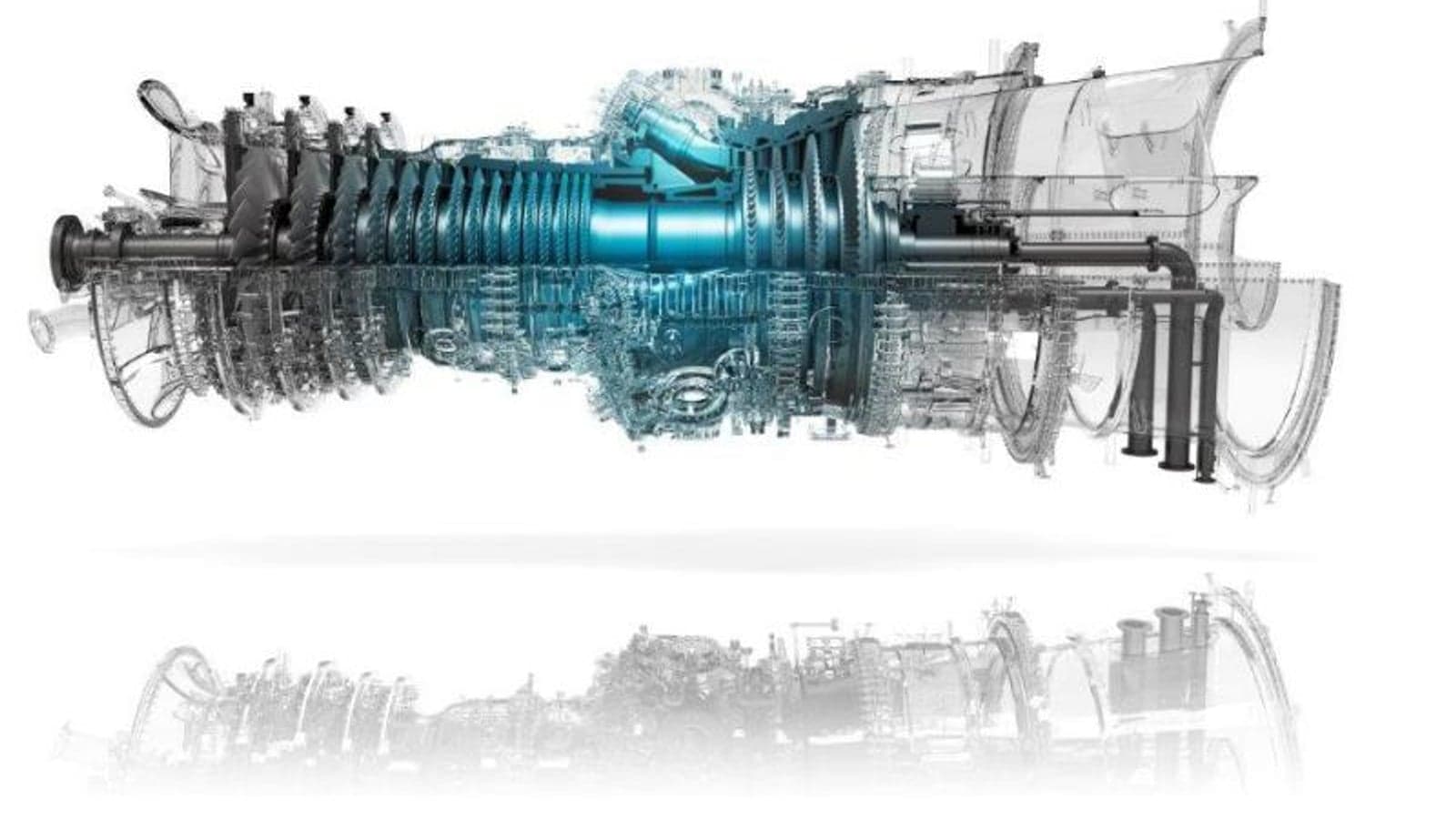
Given the interruptible nature of some renewables, there are concerns about the need to dispatch large blocks of power quickly to provide grid stability. In these situations, the grid regulating agencies use gas turbine power plants to balance supply and demand. Gas turbines are the most efficient option to provide dispatchable power, but questions remain about their utilisation in a future, carbon-free world.
Hydrogen responds to the challenges of renewable energy by solving the problems of intermittency; matching demand with supply and provides stabilization services to the grid. Further, hydrogen can store renewable energy and use the excess electricity, which would otherwise be curtailed, to make hydrogen. This is a much more efficient and sustainable mechanism for storage than using a battery.
Mitsubishi Power has been advancing hydrogen fuel for more than 50 years, accumulating extensive experience in the aerospace, oil and gas, petrochemical, chemical and steel industries. This has resulted in a proven track record backed by longstanding relationships with power operators and technology leaders committed to the advancement of hydrogen as a fuel of the future.
All Mitsubishi Power gas turbines are validated at Takasago Hydrogen Park, the world’s first centre for the validation of hydrogen-related technologies, which entered full-scale operation in September. The park is fully grid-connected, playing a crucial role in guaranteeing that our next-generation technologies are as reliable as they are sustainable.
In the coming years, facilities like Takasago Hydrogen Park will be essential for validating the technologies to build ‘hydrogen ecosystems’ that aim to create a value chain that uses hydrogen for every step from energy production to consumption.
Listen to:
Energy Transitions Podcast: Accelerating decarbonised power generation at scale
Energy Transitions Podcast: How to build a viable green hydrogen economy
Mitsubishi Power considers the creation of hydrogen ecosystems as defining a new class of renewable energy. Working with renewables, the potential of green hydrogen in the energy value chain is vast. Mitsubishi Power views hydrogen as a key enabler of renewable-energy powered economies and have developed all the required in-house technologies to accelerate its evolution.
Hydrogen's capabilities should be harnessed now to make the development of hydrogen economies possible in the long term. Mitsubishi Power will continue to play our role to advance hydrogen in the energy value chain as a vital component in enabling the renewables revolution which is our long-term route to a decarbonized world.
About the author
Dr Javier Cavada is the President and CEO of EMEA at Mitsubishi Power, the power solutions brand of Mitsubishi Heavy Industry (MHI).
Dr Cavada’s mission is to drive Mitsubishi Power's expansion and build pathways to decarbonization for new and existing customers. Deploying a range of in-house technologies, Mitsubishi Power is committed to futureproofing existing power infrastructure to accelerate the evolution of hydrogen and ammonia as a clean fuel that will enable the low-carbon economies of the future.
With more than 20 years of global experience in the energy sector, Dr Cavada has led companies through all corporate development and growth phases. Before joining Mitsubishi Power, he was President and CEO of Highview Power, a developer and leader in long-duration energy storage. Before that, he spent 17 years with Wärtsilä Corporation serving as President of the energy division and executive board member, driving the organization towards its vision of a 100% renewables-powered world.
Latest content
Partner content
+2
Are gas turbines the most important link between the past and future of energy generation?
While the world is declining its use of fossil fuels, it cannot and will not be able to stop using fossil fuels in the short term - that’s why there is a need to build resilient energy systems for power generation that can adapt from using fossil fuels to utilising clean energy.
- Guest/partner contributor
- 02/04/2024