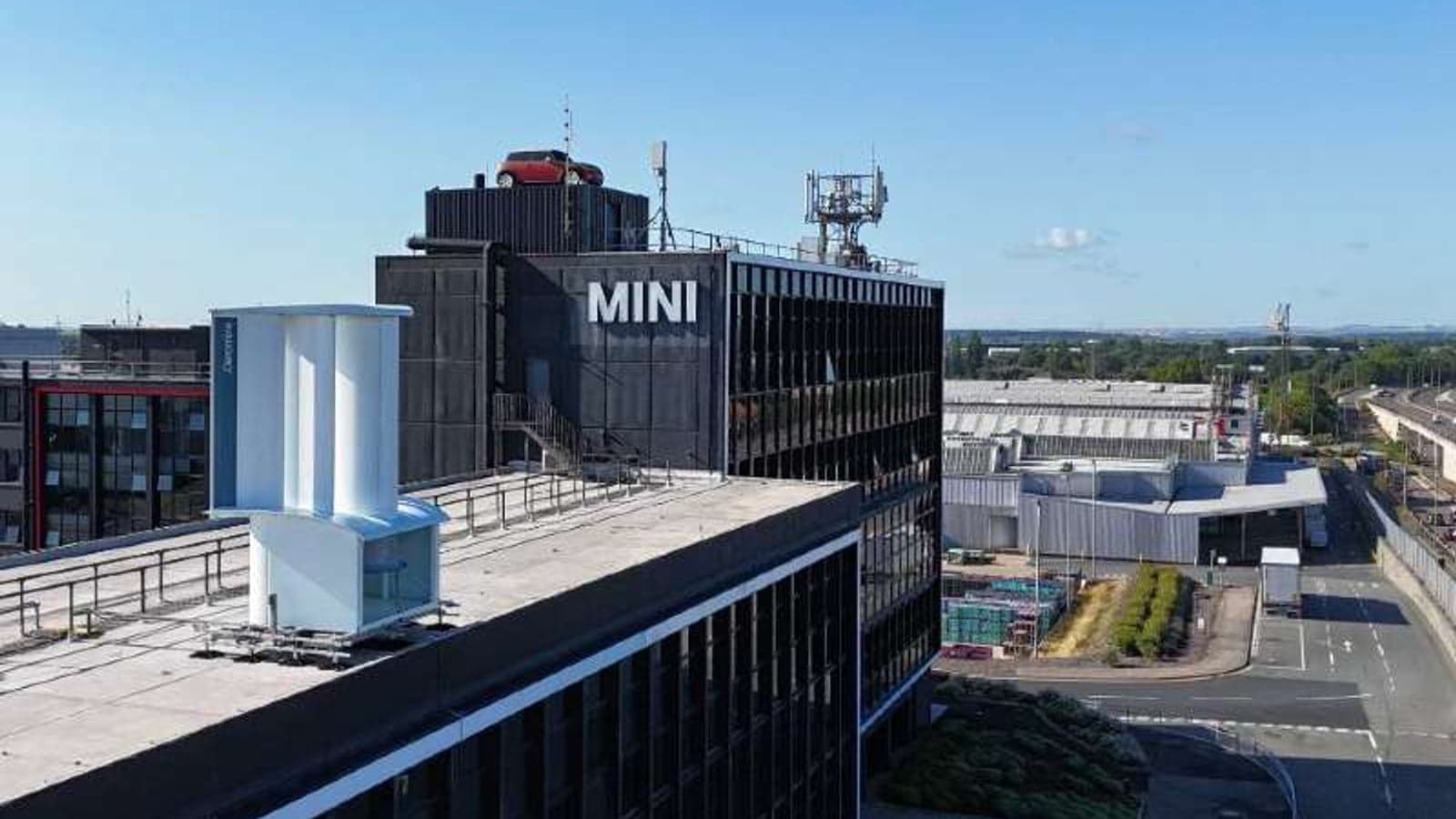
AI-designed wind turbine unveiled for urban areas
Pamela Largue
Posted on: 28 November 2024
EvoPhase and metal fabricators Kwik Fab have unveiled what they are calling the world’s first urban wind turbine designed by AI.
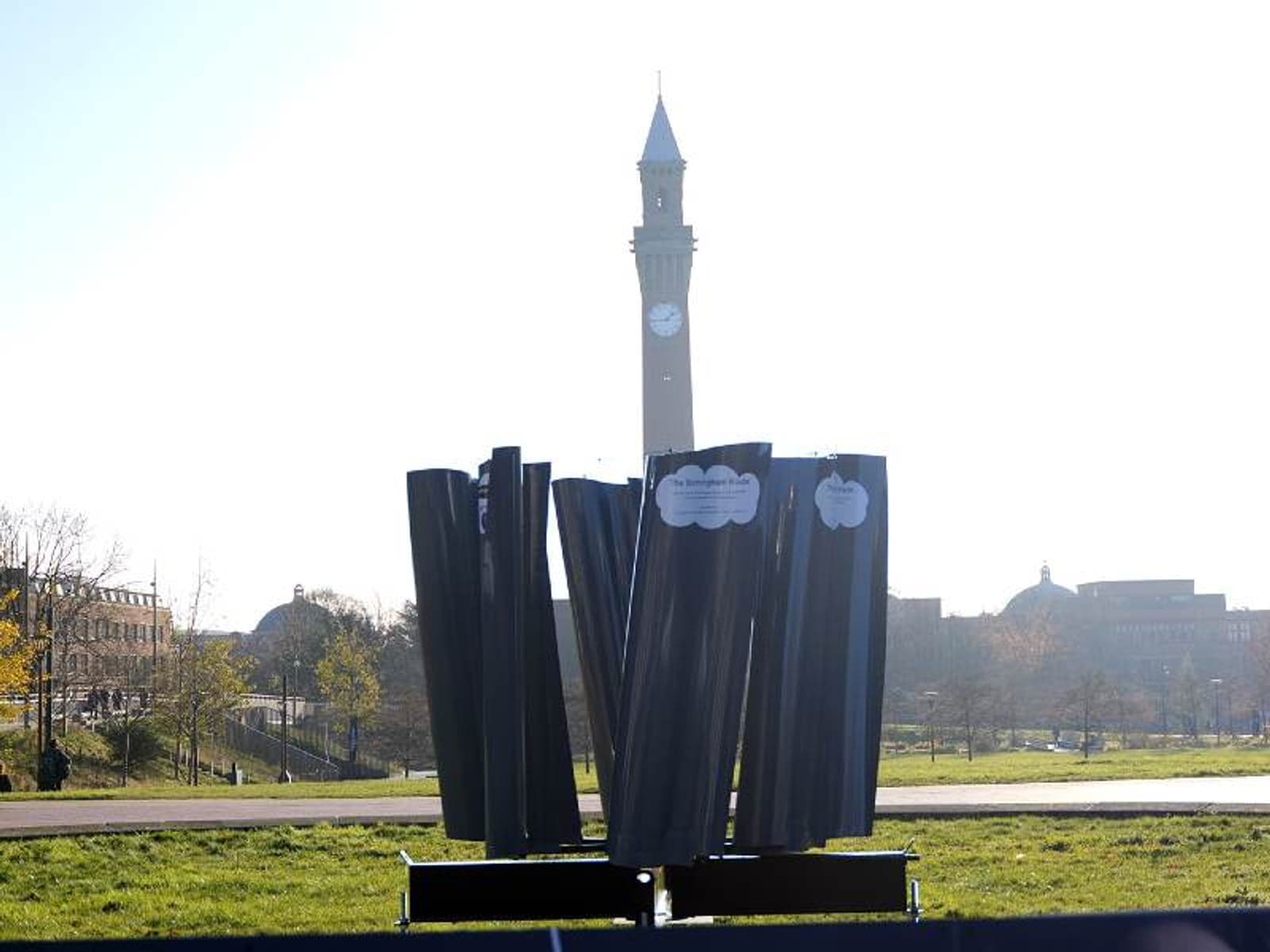
AI design specialists EvoPhase and precision metal fabricators Kwik Fab Ltd have unveiled what they are calling the world’s first urban wind turbine designed by AI.
It's called the Birmingham Blade and, as its name suggests, has been tailored for the specific wind conditions in Birmingham.
The blades are curved and spin around a central point, which make it optimal for Birmingham's wind speeds of 3.6 metres/second
According to EvoPhase, the turbine design makes it seven times more efficient than existing designs used in the Birmingham area.
Leonard Nicusan, chief technology officer of EvoPhase, explained: “We needed a turbine that could capture Birmingham’s relatively low wind speeds while managing turbulence caused by surrounding buildings. The design also had to be compact and lightweight to suit rooftop installations."
Have you read?
How AI is ‘bending the curve’ on energy transition innovation
BMW Group trials bladeless wind energy unit
Use of AI
According to Nicusan, the use of AI allowed the team to design a turbine without the influence of long term biases that have traditionally influenced turbine design.
"AI allowed us to explore design possibilities beyond the scope of traditional human experimentation. We were able to generate, test and refine over 2,000 wind turbine designs in just a few weeks, significantly accelerating our development process and achieving what would have taken years and millions of pounds through conventional methods.”
“The final design is not just a prototype — it is a predictive solution that is ready for real-world use.”
The first iteration of the turbine was produced by Kwik Fab using aluminium, and will be tested on a roof in Birmingham.
The final product is expected to be available by late 2025, although the team has already started working on a design suited for Edinburgh.
Paul Jarvis from Kwik Fab added: “We can take a complex design, and manufacture and ship a prototype for testing within weeks. We’d like to work with organisations that want to make the most of wind power, a source of sustainable energy that is free, and present in every country.”