April eclipse will ‘briefly’ limit solar generation across the US says EIA
Power Engineering International
Posted on: 8 April 2024
Electricity generators in affected areas have detailed their plans to increase generation from other sources to make up for the lost solar output.
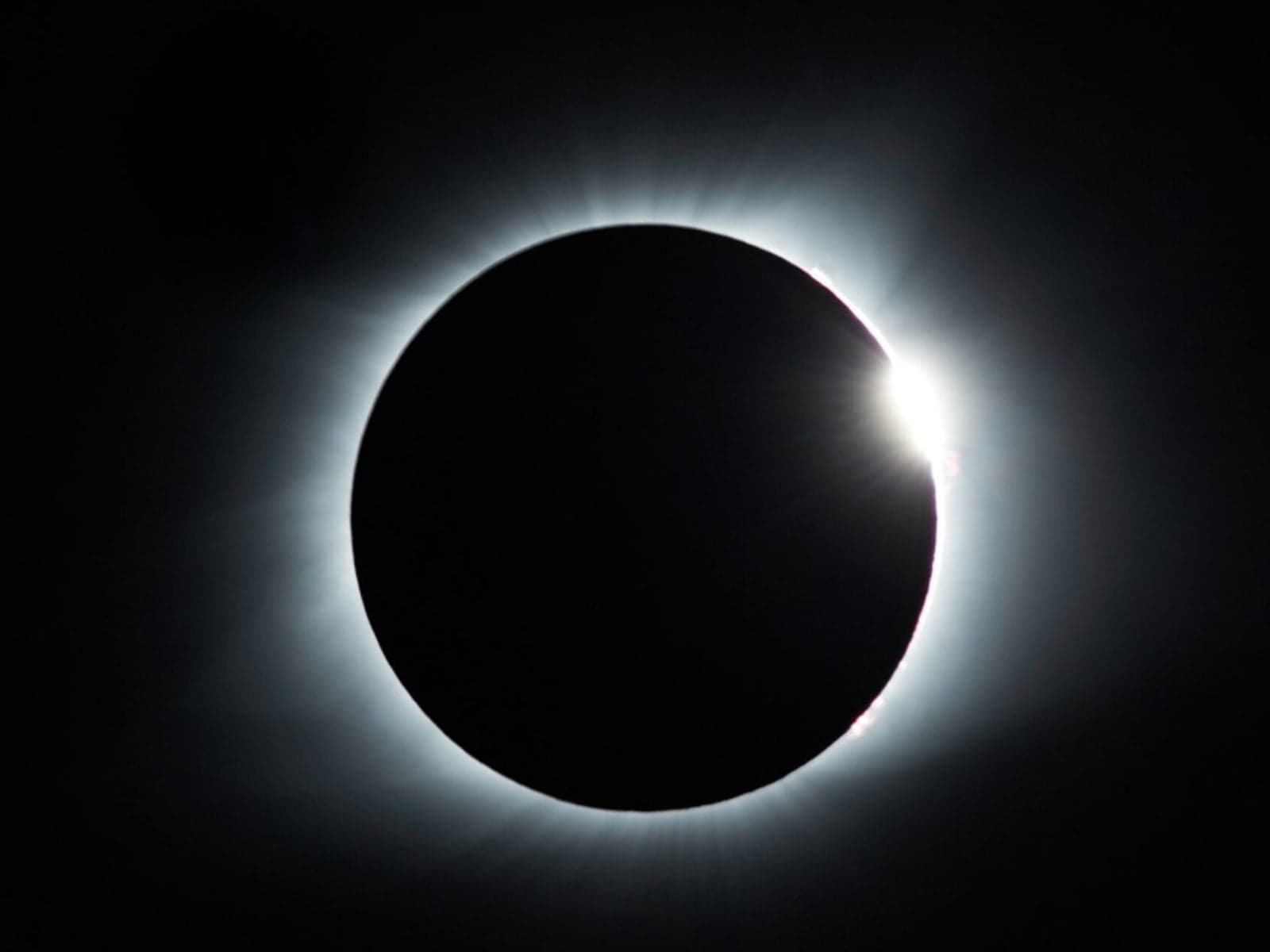
The April 8 full solar eclipse will "briefly but fully" obscure sunlight to utility-scale solar sites from Texas to Maine with a combined 6.5GW of capacity, the Energy Information Administration (EIA) says.
Additionally, the eclipse will "partially" block sunlight to facilities with a combined 84.8GW of capacity in an even larger swath of the United States around peak solar generating time.
For solar sites in the path of totality, the moon will block all direct sunlight for more than four minutes, the EIA said, while the partial eclipse could limit sunlight in the path of totality for more than two hours. Areas not directly within the path of totality will experience varied levels of lower solar generation.
However, the eclipse was hardly a surprise, and utilities and co-ops began preparing long in advance. Electricity generators in affected areas have detailed their plans to increase generation from other sources to make up for the lost solar output.
The loss of utility-scale solar generation will mostly be replaced by balancing authorities dispatching other sources of generation. However, homes and businesses using small-scale solar will require more electricity than usual, and since this generation is not managed by balancing authorities, EIA says this increased demand is likely to appear as an overall power demand increase on the grid.
Have you read?
Eaton and Enel complete Puerto Rico’s largest solar + storage microgrid
Texas hailstorm damages thousands of solar panels at 350MW farm
Texas will be hit the hardest, EIA said, because most of the state is within the path estimated to lose 90% to 99% of solar power during the eclipse. On the other hand, while California is in the 40% to 59% "partial" reduction range, the EIA said the state's "significant" reliance on utility-scale and small-scale solar means the eclipse will have a heavier impact. The EIA also noted that in Florida, when the eclipse occurs, solar generation is likely to be the second-leading energy source in the state, accounting for 20% of total generation.
Additionally, battery storage will play a role in the response. There is 15.4GW of battery storage in the US today, compared to the 0.6GW during the last solar eclipse in 2017, the EIA said. Solar capacity has also grown significantly since the last eclipse, with almost 100GW of utility-scale and small-scale solar capacity added since.
Utility-scale solar was 8% (91GW) of total US capacity at the end of 2023, and can be the third-largest source of midday generation during the spring and summer months. During the 2017 eclipse, solar was the fifth-leading energy source in the US, behind natural gas, coal, nuclear, and hydropower. Even accounting for the eclipse, the EIA estimates solar generation will still be the third-largest source of electricity on April 8, behind natural gas and nuclear.
Originally published by Sean Wolfe on renewableenergyworld.com