Are we entering a ‘golden age’ for independent energy generators?
Guest/partner contributor
Posted on: 20 November 2024
Independent energy generators will become even more important as the UK's central energy system undergoes radical reform to support more renewable generation coming online.

Independent energy generators already play an important role in supporting the pathway to a decarbonised energy system, particularly as renewable decentralised energy sources are increasingly used to supply public and private sector organisations.
By Vish Sharma, head of power purchase agreements at npower Business Solutions.
These generators will become even more important as the UK's central energy system undergoes radical reform to support more renewable energy generation coming online.
A series of announcements from the new Labour government following the General Election signalled its intention to accelerate the deployment of renewable energy, outlining ambitious plans to hit its clean power and net zero targets by 2030 and 2050 respectively.
For example, the Department for Energy Security and Net Zero (DESNZ) relaunched the Solar Taskforce to spearhead solar growth, not just on land, but also on commercial premises. The solar push continued, with Secretary of State Ed Miliband greenlighting several large-scale solar parks, pledging to remove planning restrictions on major energy projects, and ending the ‘de facto’ ban on onshore wind.
Then came the results of Contracts for Difference (CfD) Allocation Round 6 (AR6). We already knew that the budget for this year’s auction had received a significant boost, with the Government moving quickly following the General Election to increase it to £1.6 billion.
Have you read?
Meeting business demand: Why on-site green energy generation will be key
The need for retail energy providers to flatten their risk curve
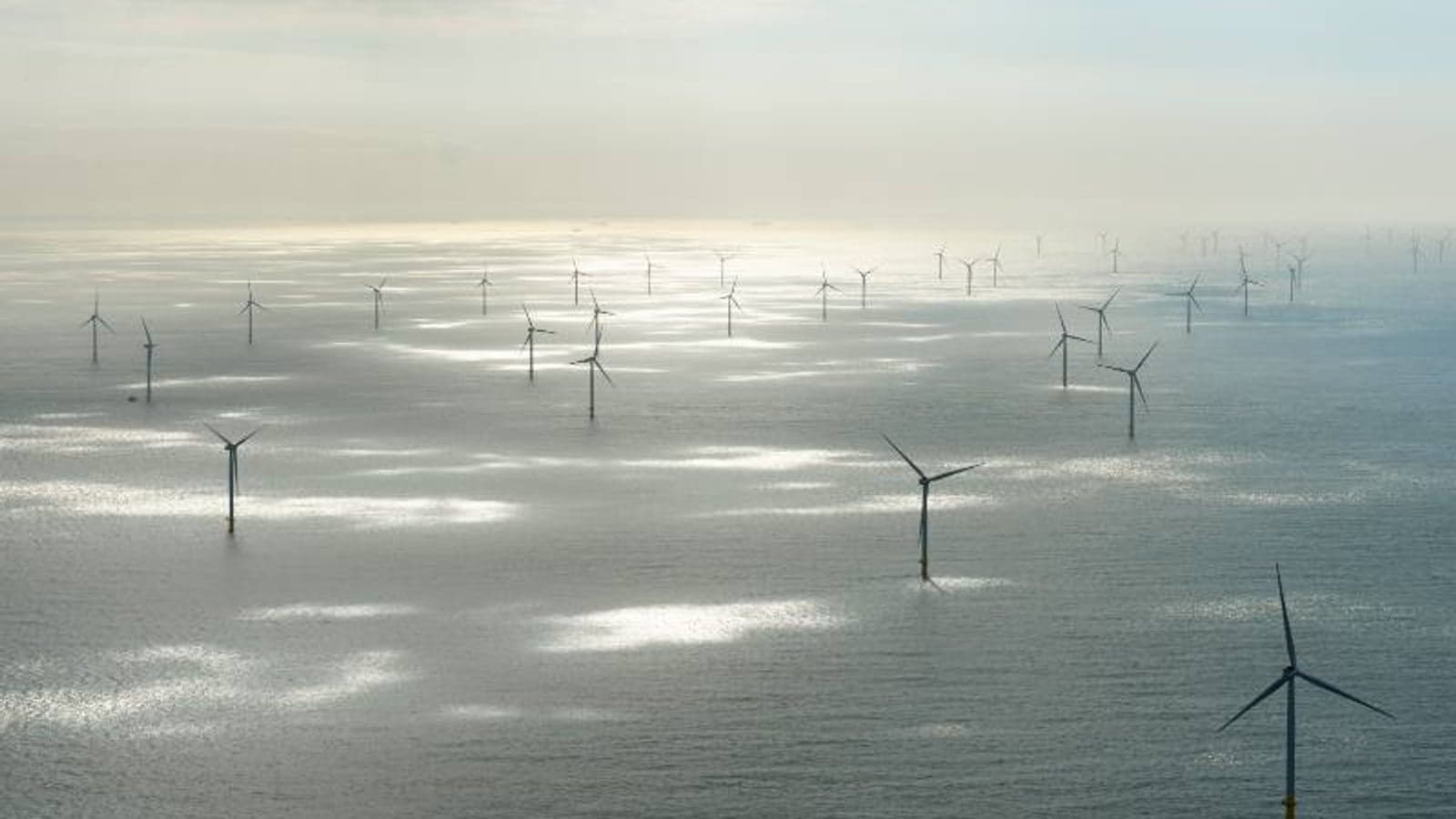
This led to the welcome return of offshore wind after its notable absence in the 2023 auction. The success of AR6 will be seen as an early win for the new government and its clean energy mission, marking a significant milestone in the journey towards clean energy by 2030. It will bring 131 new green infrastructure projects to the table, helping to boost energy independence.
For independent generators, the interest is in the detail. While many of the successful assets are larger, utility-scale projects, such as the Hornsea 3 and Hornsea 4 wind farms off the Yorkshire coast, many contracts were awarded to independent generators - several solar and onshore wind projects of varying sizes were successful.
What will be crucial now is maintaining momentum, with DESNZ creating a favourable environment for more independent renewable energy generation assets to be developed.
There are two key reasons why independent energy generation needs to be supported:
- Helping the UK to meet its 2030 clean power target
Independent generators will be crucial to the low-carbon transition, providing the additional renewable capacity needed to hit the new government’s clean energy targets. In its manifesto, the government pledged to quadruple the UK’s offshore wind capacity to 55GW by 2030, triple solar power to 50GW and double onshore wind to 35GW. These targets will only be reached if more independent generation assets are built.
- Supporting business efforts to decarbonise
Independent generators can support businesses in two ways. Firstly, businesses can become a generator themselves by installing an on-site renewable asset. For industrial and commercial companies considering this investment, the benefits are numerous. As well as improving their own resiliency and reducing carbon emissions, they can sell the excess power they generate to other corporate buyers via a Power Purchase Agreement (PPA). This is a win-win for both the generator and the end user business, particularly when renewable energy demand is outstripping available supply.
As an established method of managing energy sales and risk in generation projects, PPAs encompass all the commercial terms required to deliver a route to market for generation. They include start date, delivery schedules, pricing mechanisms, and payment terms and can include renewable certificates such as Renewable Obligation Certificates (ROCs) and Renewable Energy Guarantees of Origin (REGOs). They are usually valid for several years and offer pre-set or to-be-determined prices for energy purchases.
A PPA can cover an existing generation asset or provide assurance and confidence to investors in the financing of new renewable projects. PPAs can therefore be agreed upon before a project becomes fully functional.
Also of interest: Unleashing the power of renewable corporate PPAs
Supporting a new wave of independent generation
The moves taken so far by the new government to accelerate the deployment of renewable energy are promising. However, we know that core barriers to installing more independent generation are funding issues, planning restrictions, and substantial grid connection delays.
So, as we move ever closer to the 2030 clean power target, the government needs to continue to ensure that its policy matches its ambition. Then, we will truly enter the ‘golden age’ for independent energy generators.