ASEAN looks to distributed renewables to fuel energy transition
Guest/partner contributor
Posted on: 23 October 2023
The Southeast Asia region is set to undergo an energy revolution in order to reduce the grid’s current dependence on fossil fuels, writes Gian Autenrieth.

Amidst rapid economic growth, ASEAN nations face the challenge of transitioning from fossil-fuel dependency to a sustainable energy future.
While grid congestion and funding shortfalls pose significant barriers, the rapid rise of distributed renewable energy (DRE) systems offers a promising solution.
Since 2000, the majority of the countries that make up the Association of Southeast Asian Nations (ASEAN) have seen their economies more than double in size.
Even with the setbacks of the COVID-19 pandemic, ASEAN countries look ready to drive consistent economic growth once again.
This has overseen great progress in energy access in the region with 95% of households having electricity and 70% having clean cooking solutions, according to the International Energy Association’s outlook report last year.
As shown by the accumulation of governments across Southeast Asia outlining net zero targets and sustainability ambitions, this region is set to undergo an energy revolution in order to reduce the grid’s current dependence on fossil fuels and establish energy security.
Notably, both Indonesia and Vietnam followed South Africa in agreeing to Just Energy Transition Partnerships (JETPs) at the end of 2022 to attract critical finance to support their decarbonisation strategies.
Have you read?
Grid bottlenecks delaying transition to renewables states IEA report
GE’s turbines power up South Korea’s Naepo district heating plant
The challenge facing ASEAN members
Nonetheless, the scale of the task of shifting to renewables while maintaining economic growth and social development is profound.
There are two key reasons for this: the limitations of grid connectivity, and inadequate investment frameworks.
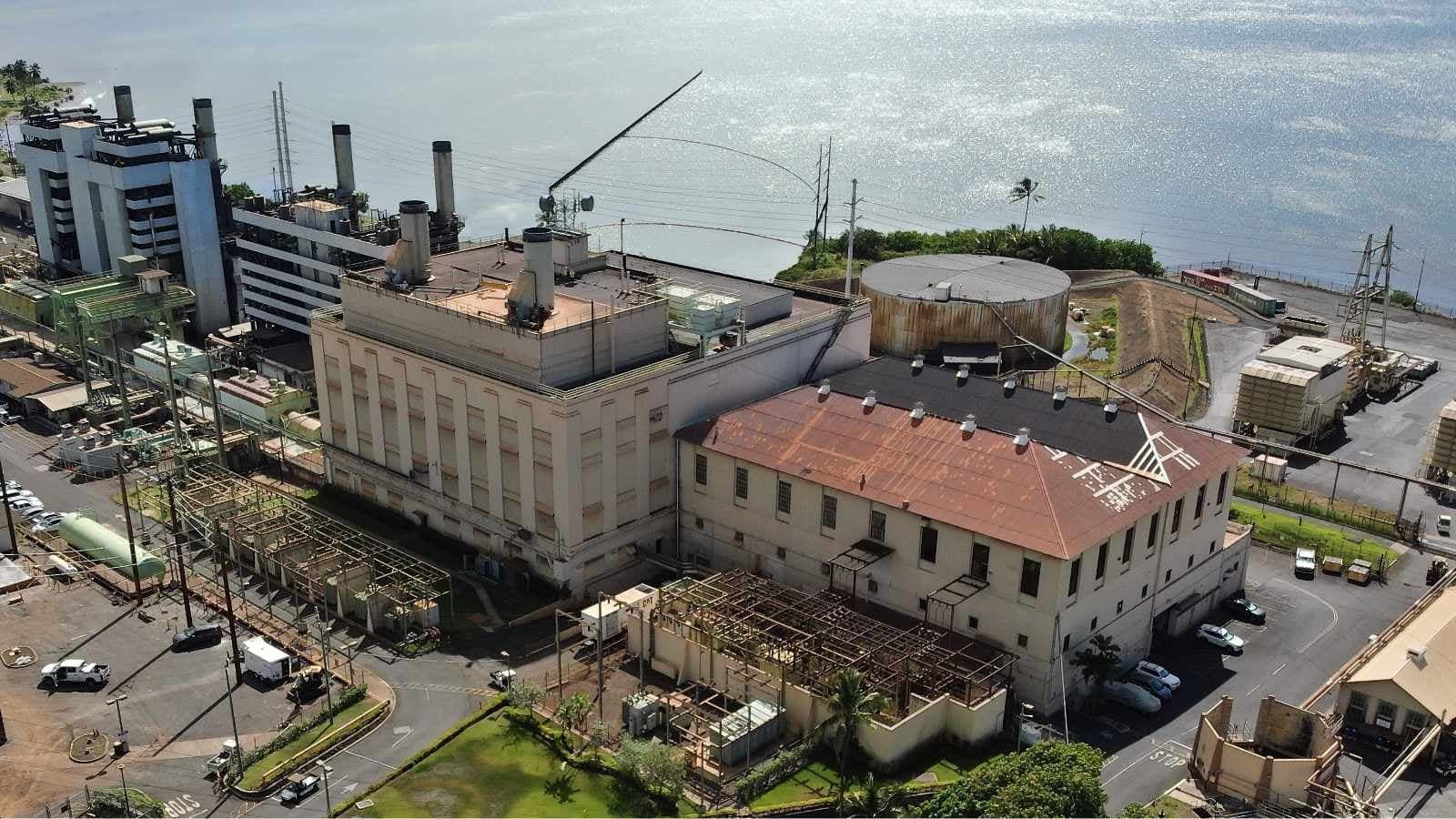
Firstly, accommodating intermittent renewables to the power system presents grid congestion challenges for the different ASEAN members. Although DNV reported that 90% of the region’s electricity in 2020 was generated using fossil fuels, there is varied penetration of renewable energy across the different countries.
For instance, whereas Vietnam leads the way with 30% renewables capacity, Indonesia is starting from a blank slate. Yet, regardless of experience of connecting renewables to the grid, the scale at which ASEAN countries will need to enhance transmission and distribution to meet their targets requires significant investment and planning.
Secondly, the IEA suggests that no less than $190 billion a year will be needed to meet the region’s climate goals – this is more than double the $70 billion a year that was thought to be required between 2016 and 2020.
A recent study carried out by Imperial College London shows that renewables development in these markets is lagging behind the rest of the world due to “inadequate policy and investment frameworks”. To improve this, work must be done to drive transparency of project performance data and improve accessibility to different forms of finance.
In the background of this fast-tracked shift to renewable energy, however, is a looming issue that affects ASEAN members. The UN recently warned that we are far from hitting a satisfactory performance in meeting Sustainable Development Goals (SDG).
It is estimated now that the SDG funding gap almost doubled after the pandemic, and now sits at approximately $4.2 trillion. The problem for Southeast Asian economies is that communities at the margins are last in line to benefit from the transition to renewable energy.
Also of interest
How digital transformation is driving energy access in emerging markets
Community energy is the sleeping giant of net zero solutions
The solution offered by distributed renewable energy
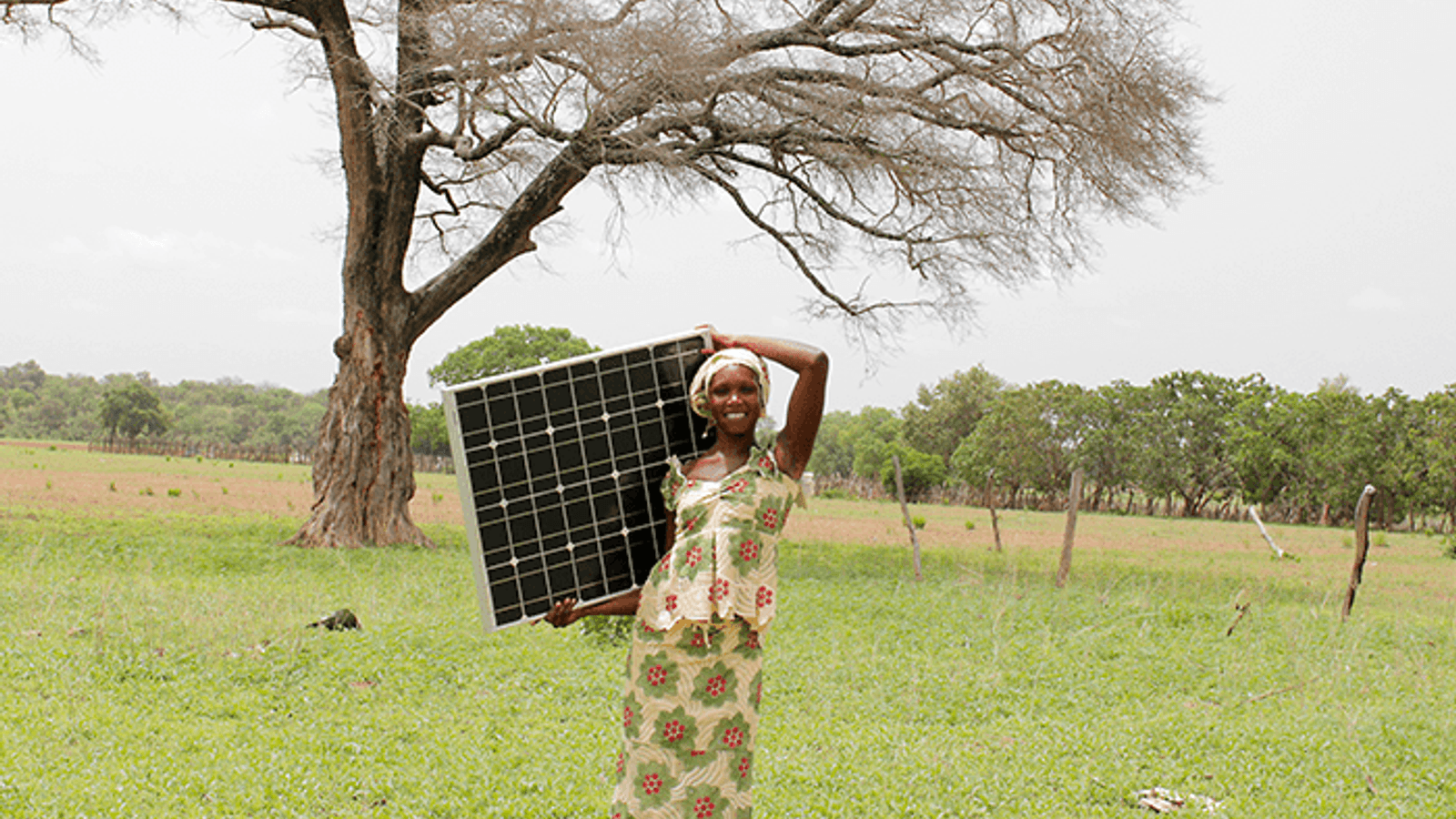
There is a collaborative solution to the difficulties posed by large-scale energy transition in the ASEAN and that is to open up pathways for small-scale, distributed renewable energy projects to drive the energy transition where it is needed most.
Corporate clean energy buying has never been higher. Last year, a record 31.1GWh of clean power were bought through Power Purchase Agreements (PPAs); meanwhile the market for Energy Attribute Certificates (EACs) continues to grow each year. What this indicates is that the private sector’s appetite for investing in renewables is at an all-time high and growing – but these funds can be put to more efficient uses.
High on the agenda of buyers is evidence that their investments are unlocking the most impactful opportunities. According to the International Finance Corporation, whilst traditional PPAs that add new renewables will displace 402 gCO2e/kWh on average in the United States and just 255 gCO2e/kWh in Europe, Distributed Renewable Energy (DRE) projects in areas that displace coal-fired grid energy or diesel generators deliver 3-6 times the impact.
As such, corporates will achieve a greater climate impact by investing in renewable energy projects that serve the numerous communities in Southeast Asia that do not have access to clean cooking, for example.
On a practical level, DRE can operate off-grid which means that it does not have to depend on a grid connection. In isolation, individual off-grid projects may appear to ease grid congestion issues only marginally.
However, the more hard-to-connect areas that can move away from dependence on diesel generators and fuel to distributed renewable energy, the more likely governments are to meet their net zero targets within their budgets and with a functioning grid.
In other words, DRE systems can provide electricity access where it isn’t economically viable for grid transmission. Even where DRE systems are grid-tied, they can still deliver significant climate impact, reduce the reliance on coal-intensive energy grids whilst often providing the end-user savings in their utility bill.
The profile of DRE systems, being set up with the end-users directly in mind, is such that there are more indirect opportunities to make deeper progress on the UN’s SDGs.
In agricultural communities, for example, the use of solar powered water pumps and chilled storage has been shown to both increase farming yields and keep produce good for longer at a much cheaper cost than the use of diesel generators. This illustrates the significant effect DRE can have on protecting and even improving livelihoods in isolated areas, with the potential of helping subsistence farmers cultivate more tradable produce.
Equally, since these systems are designed solely for the use of the communities they serve, consumers can have more confidence in its reliability. So, in the case of electrifying public buildings like schools and hospitals, staff in health and education are given much better working environments, and students and patients receive a much better experience, ultimately catalysing the development of health and education systems in traditionally underserved areas.
The time is ripe for distributed renewables
Climate investment into emerging markets and fast-growing economies continues to be insufficient to match demand. The IEA estimates that $1 trillion a year will be required by the end of the 2020s to reach net zero global emissions in 2050. A global pandemic and conflict in Europe have set up a macroeconomic challenge that is only being alleviated slowly.
Meanwhile, time is of the essence for the ASEAN region to finance and restructure its energy mix to introduce more renewables as project pipelines start to increase.
For these reasons, the time is ripe to capitalise on the readily available finance from the private sector, which has an all-time high appetite for investing in projects that take corporates closer to their sustainability targets, and push them into the development of small-scale, impactful DRE projects.
Given the abundance of solar irradiation in Southeast Asia, the straightforwardness of attracting sufficient funding from large corporations to build distributed solar projects, and the possibility of getting back on track with SDGs indirectly, all the ingredients are in place to supercharge the energy transition in the region with distributed renewables.
About the author:
Gian has co-led the D-REC Initiative since its inception in January 2020. The D-REC Initiative, a not-for-profit, multi-stakeholder, industry-led initiative, introduced the D-REC as a new type of energy attribute certificate that bridges corporate sustainable finance from multinationals to the distributed renewable energy sector in emerging markets. This catalyses new capital to provide access to affordable clean energy.