ASEAN’s solar and wind growth slowed in 2022 analysis shows
Power Engineering International
Posted on: 17 November 2023
ASEAN had boosted its solar and wind generation with an average annual growth rate of 43% since 2015| but slowed to just 15% in 2022.
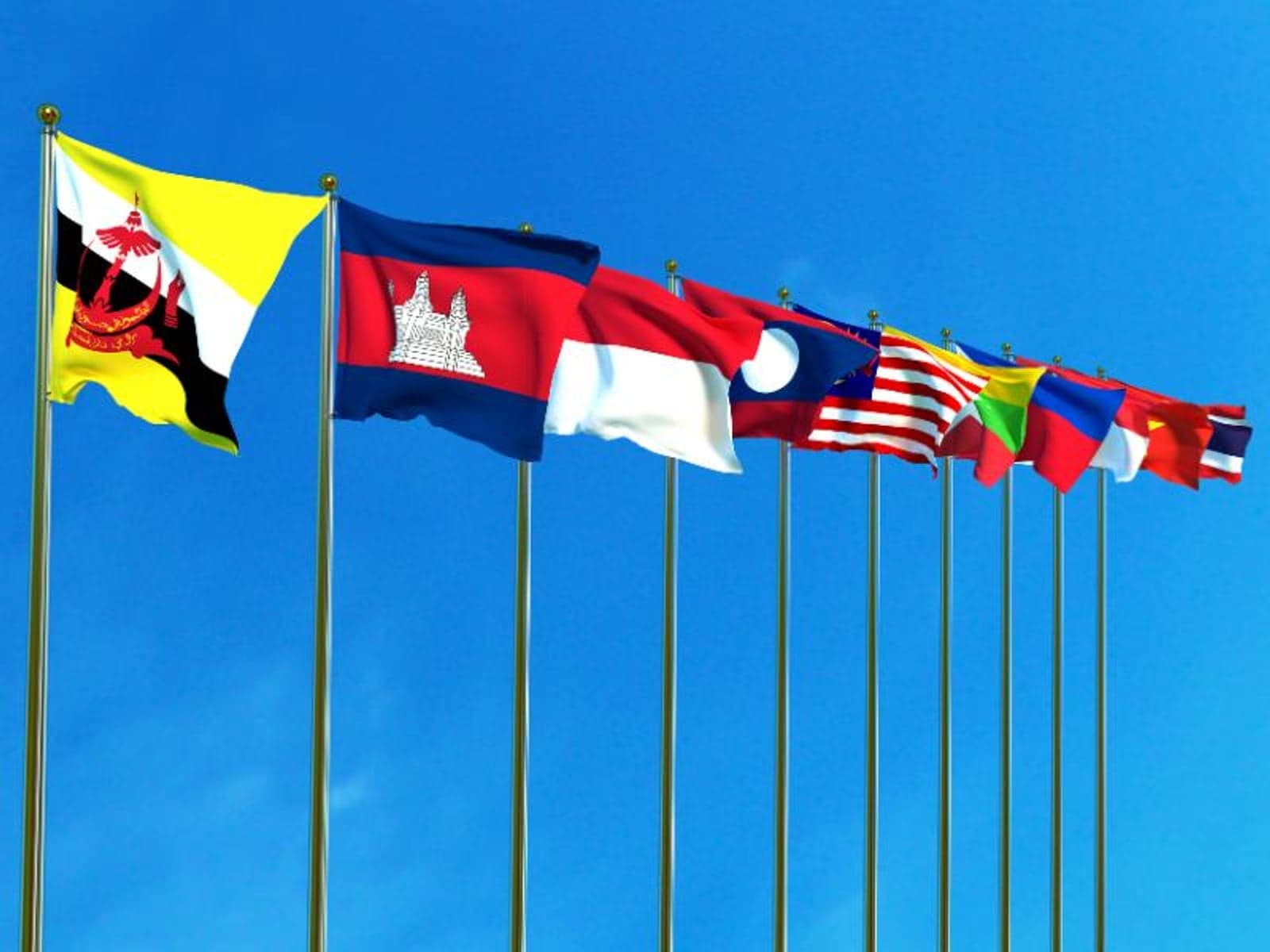
Association of Southeast Asian Nations (ASEAN) had boosted its solar and wind generation with an average annual growth rate of 43% since 2015, but slowed to just 15% in 2022, according to a new analysis by energy think tank Ember.
According to the analysis, more robust policy actions are required to accelerate solar and wind power to align with 1.5C and the International Energy Agency's (IEA) net zero scenario.
From 2015 to 2022, solar and wind electricity generation in ASEAN grew by 43% annually, increasing from 4.19 TWh to 50.19 TWh, driven by policies implemented by member states to promote renewables deployment.
Viet Nam played a significant role in this growth accounting for 69% of the region’s solar and wind generation by 2022. Its feed-in-tariff (FiT) for solar power contributed to the surge in ASEAN’s solar capacity until 2021. Unfortunately, the phase-out of the FiT scheme in 2022 is a key factor in the slowdown of the region’s solar growth.
Unlocking solar and wind for IEA’s net zero
As of 2022, ASEAN has an installed capacity of 26.6GW for solar and 6.8GW for wind. Yet, this accounts for less than 1% of the region’s vast solar and wind potential, exceeding 30,000GW and over 1,300GW respectively. The region’s electricity demand is projected to grow by 4.3% annually, and renewables are expected to meet this rising demand.
Have you read?
Vineyard Wind 1 gets $1.2B capital investment
ABB solutions to power up Mauritanian gold mine
The ASEAN Plan of Action for Energy Cooperation (APAEC) Targets Scenario projects 185GW capacity additions from renewables by 2040 with solar contributing to an additional 45GW, and wind will reach approximately 9GW capacity.
Both solar and wind are expected to account for 15% of ASEAN’s electricity by 2040.
However, an alternative scenario, introduced by the ASEAN Centre for Energy, projects 62GW of combined solar and wind capacity by 2050, emphasising cost-effectiveness and technology maturity.
Meanwhile, the IEA net-zero pathway proposes a more ambitious plan, aiming for solar and wind to make up nearly 23% of the region’s electricity generation mix by 2030, a decade earlier than the APAEC scenario. This would necessitate adding 164GW of solar and 65GW of wind, reaching a total capacity of 263 GW, which is more than triple the current capacity.