Australia and India form renewable energy partnership
Pamela Largue
Posted on: 20 November 2024
-
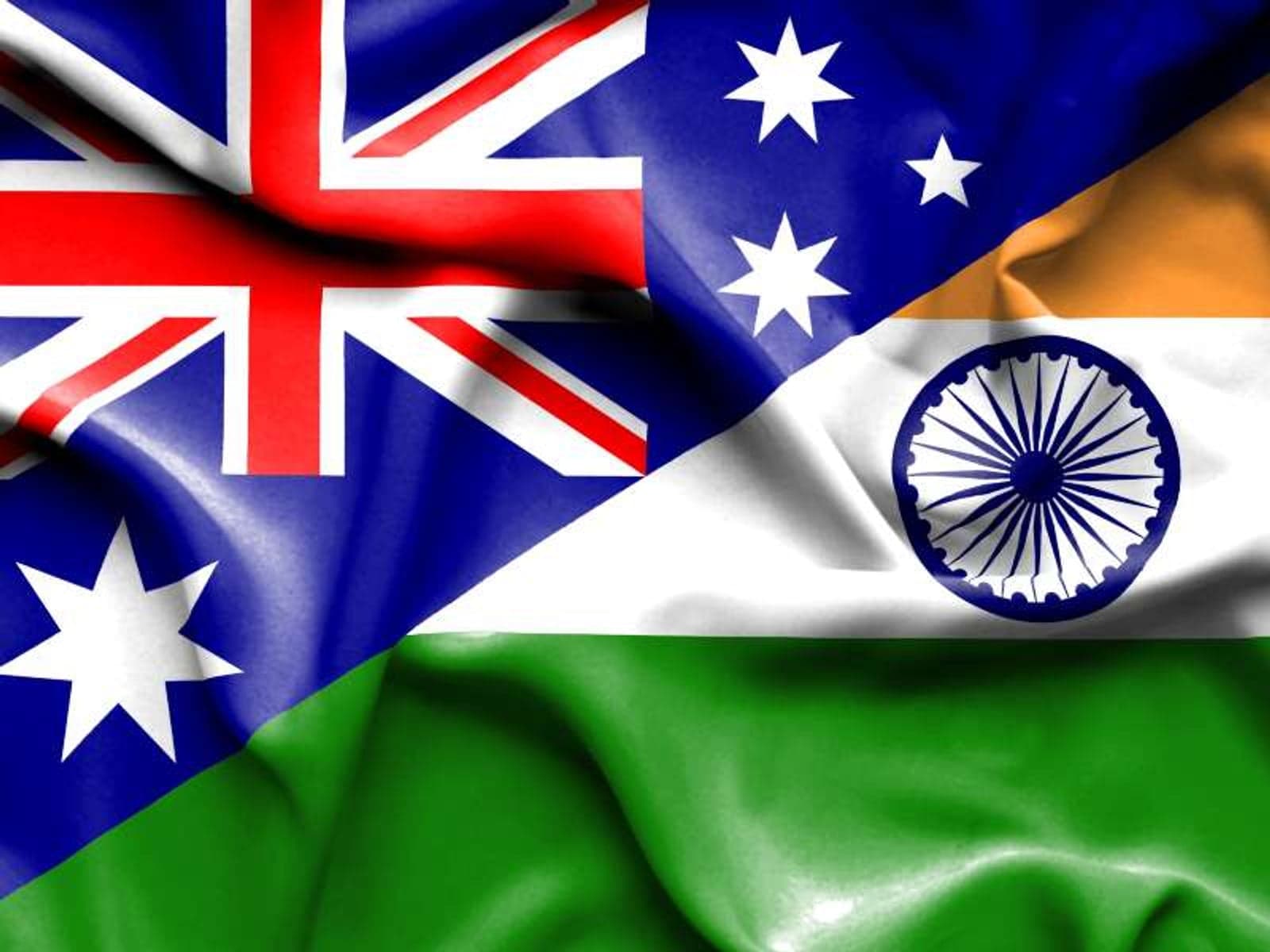
Prime Minister Albanese and Prime Minister Modi have announced the India-Australia Renewable Energy Partnership at the second Australia-India Annual Summit in Brazil.
The announcement was made on the sidelines of the G20 gathering in Rio de Janeiro and aims to boost cooperation on eight key areas.
These areas include green technologies such as solar PV, green hydrogen and energy storage, as well as building capacity, developing solar supply chains, advancing a circular renewable economy and encouraging two-way investment in renewable energy projects.
Furthermore, both countries plan to work together to build the renewable workforce through skills and training.
Joint solar PV and green hydrogen projects are already underway and will continue under the India-Australia renewable energy partnership.
This is not the first collaboration between the countries. The India-Australia Green Hydrogen Taskforce was created in May 2023 to develop commercial and research opportunities between the two countries through the manufacture and deployment of green hydrogen.
Also, the Australia-India Comprehensive Strategic Partnership will celebrate its 5th anniversay in 2025. The partnership aimed to strengthen bilateral ties across a range of sectors – including climate change and renewable energy, trade and investment,
Have you read?
Suzlon wind turbines to power green steel project in India
India’s Reliance Group in agreement to develop hydropower in Bhutan
Greening India
India is prioritising a shift away from fossil fuels as it grapples with increasing levels of pollution. This week, BBC reported that air pollution in India's capital Delhi reached extremely severe levels, leading to a government ban on all activities that involve the use of coal and firewood, as well as diesel generator use for non-emergency services.
To address the problem of air pollution, the government is looking to revise its ambient air quality standards and has strengthened vehicular and industrial emission standards in recent years. Furthermore, the government is promoting electric vehicles, supplying LPG cooking fuel to millions of households and driving renewable energy deployment.
The Government of India has implemented a range of measures and initiatives aimed at promoting and accelerating renewable energy capacity across the nation, to reach the target of 500GW of installed electric capacity from non-fossil sources by 2030 and to improve air quality.
One example can be seen in the country's increase in solar production. In June, the World Bank reported that 60% of Delhi Metro’s daytime energy requirement was met through solar power from the 750MW Rewa Solar Project in Madhya Pradesh. This not only reduced coal dependence but would save over $170 million in energy bills over a 25 year period.