BEGONIA: Enabling cross-border digital platforms for a smarter greener Europe
Guest/partner contributor
Posted on: 16 September 2025
BEGONIA, an EU-funded project under the CEF Digital programme, is helping shape Europe’s green and digital future.
BEGONIA, an EU-funded project under the CEF Digital programme, is helping shape Europe’s green and digital future.
Its mission is clear and impactful: build secure, interoperable platforms that connect energy and transport systems across borders, making them smarter, more flexible, and more sustainable. By moving beyond national boundaries, BEGONIA makes it possible to share data in real time and act together across countries.
With three concrete use cases – empowering electricity customers, optimising electric vehicle integration, and turning data centres into active energy players – the project shows how operational digital platforms (ODPs) can accelerate renewable adoption, strengthen grid resilience and enable sector integration across the EU.
BEGONIA methodology
BEGONIA follows a clear and structured approach: start with concrete use cases and transform them into real-world operational digital platforms that connect Europe’s energy and transport systems across borders. This process is guided by an internationally recognised methodology that ensures inclusiveness, transparency and compliance with EU regulations while remaining practical and results-driven.
It begins with defining use cases – practical examples of how a system should work, who is involved and what outcomes are expected. In BEGONIA, these range from enabling customers to switch energy suppliers across borders to helping EVs charge with renewable power or allowing data centres to provide grid flexibility.
To guarantee consistency, each use case is described using the IEC 62559 standard template, which captures scope, objectives, actors and scenarios, supported by diagrams and narratives accessible to both experts and non-specialists.
The project then combines desk research with broad stakeholder engagement. European projects and studies are reviewed to identify opportunities and gaps, while system operators, regulators, technology providers and mobility actors are consulted through interviews and workshops. This ongoing dialogue ensures the use cases are realistic, relevant and grounded in practical needs.
Each case is further refined through detailed narratives, scenarios and SWOT analyses to evaluate its maturity and scalability. Ultimately, from 14 pre-selected use cases the process led to the final selection of three cross-border use cases as the most impactful and scalable, which are now prepared to be piloted and deployed in real life.
UC I – Electricity customer-centric ODP
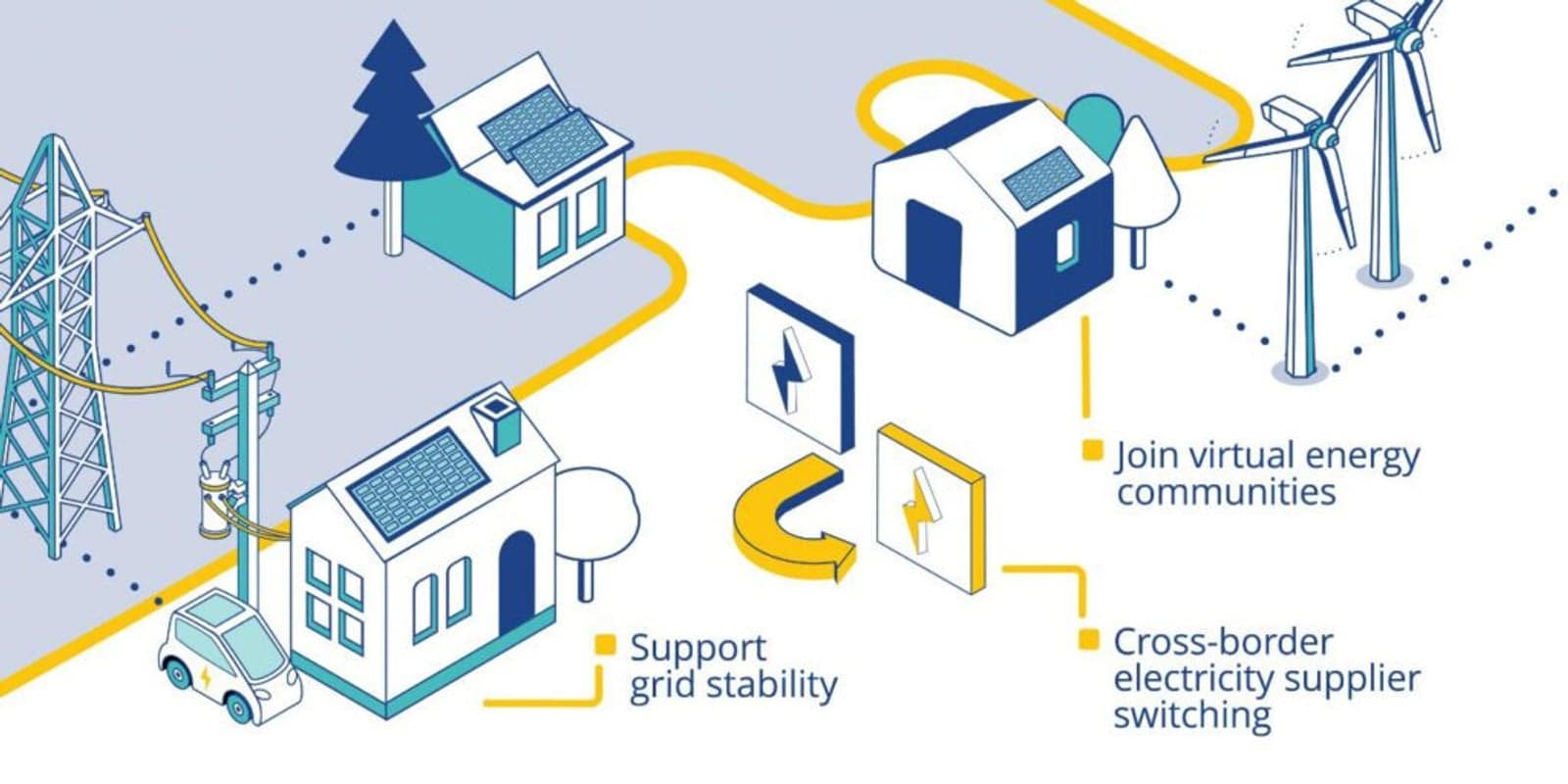
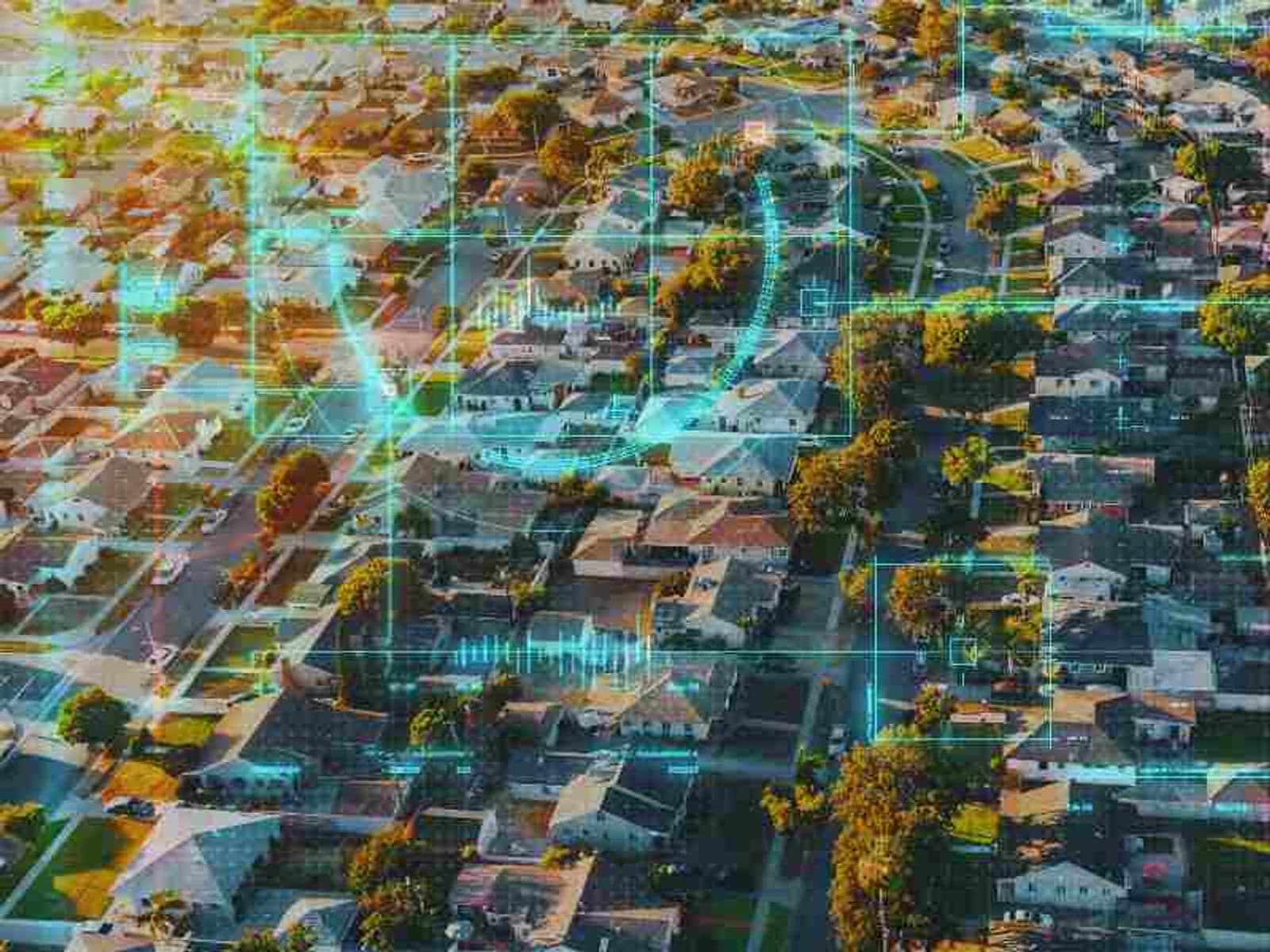
Today, most people are passive electricity users: they pay bills and maybe check a smart meter, but they have little real influence. Use case I aims to change this by creating an ODP that places consumers at the heart of the energy system.
The ODP works as a digital hub that connects households, businesses, the grid and renewable producers. It allows people to monitor their consumption, costs and carbon footprint in real time, switch automatically to cheaper or greener suppliers, and join local energy communities where neighbours exchange surplus solar power or flexibility. Smart devices like car chargers, batteries and heat pumps can be integrated, so they adapt to grid needs without effort from the user. Artificial intelligence adds personalised advice on when to run appliances or charge vehicles, maximising savings while using more renewable energy.
Beyond individual benefits, the platform enables new services such as predictive tools that flag potential grid issues, real-time guidance on renewable-powered charging stations and automated supplier switching across borders within 24 hours. By collecting and securing data in line with EU rules, the ODP turns this information into practical services that empower consumers and strengthen the grid.
In short, electricity users are no longer just bill-payers but active participants in the energy transition – saving money, cutting emissions and helping Europe integrate more renewable power.
UC II – AI-driven ODP for EV, ET, RES and grid integration
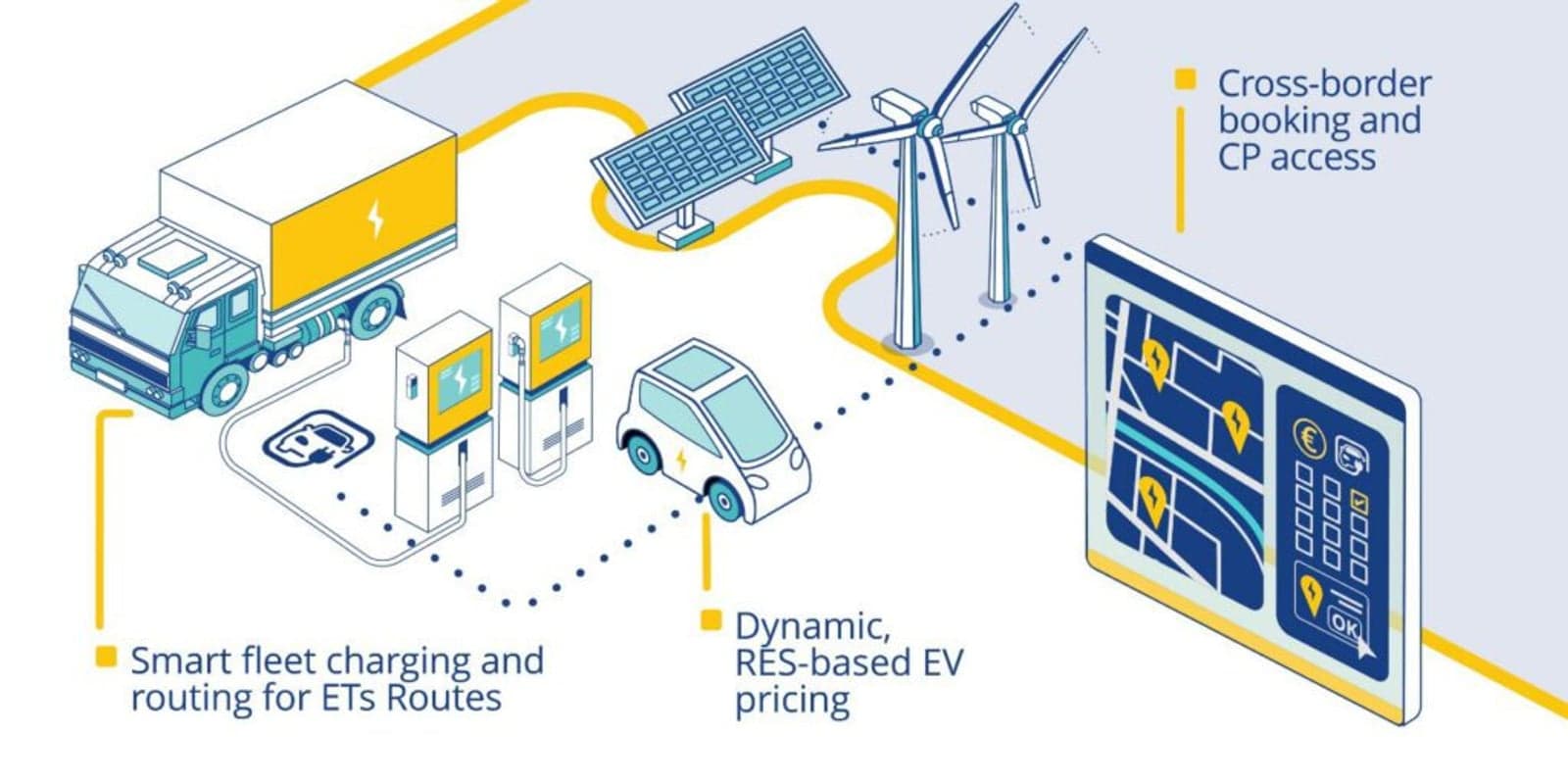
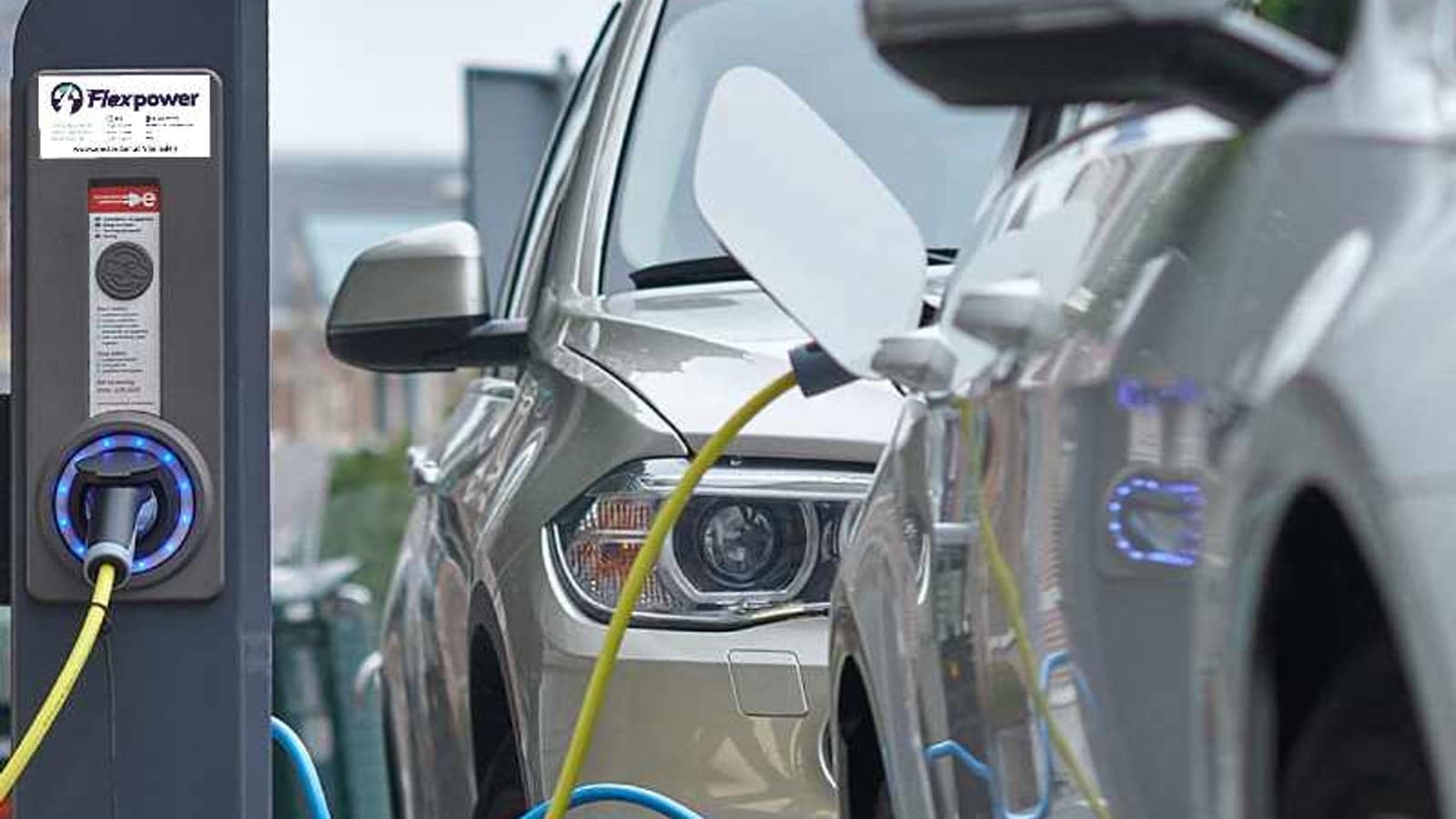
As electric cars and trucks spread across Europe, charging them sustainably and reliably becomes a major challenge. If everyone plugs in at once, electricity grids could struggle. Use case II addresses this with an AI-driven ODP that coordinates vehicles, charging points, renewable energy and the grid across borders.
The platform acts as a digital brain for electric mobility. It helps drivers and fleet operators plan routes and charging stops by considering battery levels, station availability and renewable supply. It enables dynamic tariffs so charging is cheaper when clean power is abundant, allows booking to avoid congestion, and even supports vehicle-to-grid services, letting cars and trucks give electricity back when the grid needs it.
The ODP also supports the wider energy system. It collects real-time data from grids, renewables and traffic networks, while privacy-friendly AI forecasts charging demand, renewable generation and grid constraints. This allows operators to balance supply and demand, apply fair and flexible pricing, and even use aggregated EVs for services such as congestion management and frequency control.
Looking forward, the platform helps identify the best places for new charging hubs, ensuring investments match real demand and renewable potential. By securely integrating energy, mobility and traffic data, the ODP turns electric vehicles into part of the solution – reducing costs for users, cutting emissions and supporting Europe’s clean mobility goals.
UC III – Digitalisation of data centres
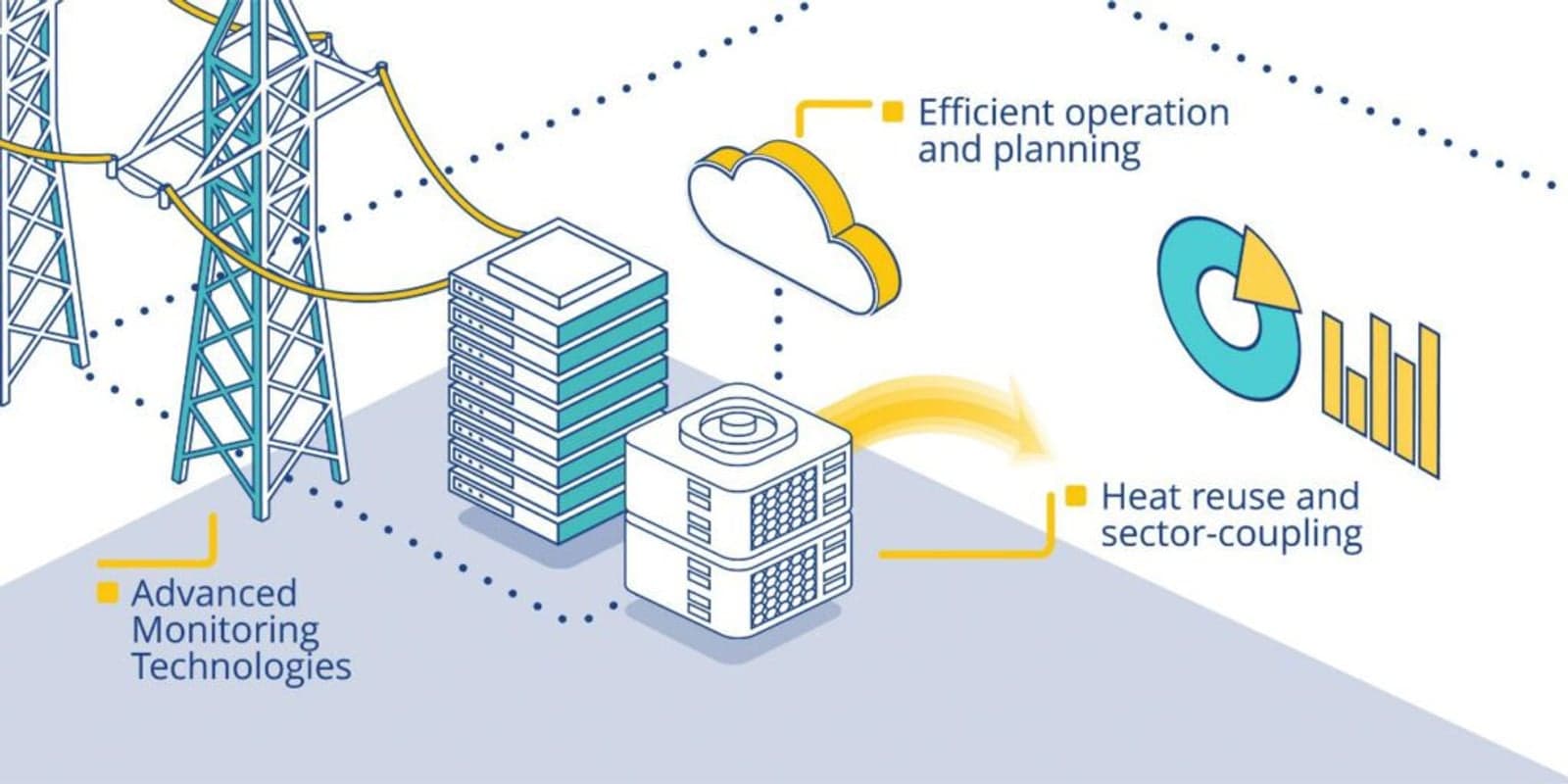
Data centres are the backbone of Europe’s digital economy, running everything from online shopping to artificial intelligence. But they are also among the fastest-growing consumers of electricity. Use case III introduces an ODP that turns them from energy-hungry facilities into active contributors to the green transition.
Through the platform, data centres can track and optimise their energy use, cooling needs and emissions in real time. They can shift digital workloads to regions with abundant renewable energy or less grid congestion, provide flexibility by adjusting demand or using on-site storage, and reuse waste heat in district heating systems. This not only improves their own efficiency but also supports local communities and grid stability.
The ODP also strengthens planning and optimisation. It analyses the cost-effectiveness of assets like heat pumps, batteries and thermal storage, ensuring they are used efficiently. Forecasting tools help operators provide capacity directly to transmission and distribution system operators, while workload relocation across member states reduces emissions and makes better use of clean electricity.
Behind the scenes, the platform connects IoT sensors, optimisation tools and AI with market signals and grid needs. In practice, this transforms data centres into partners of the energy transition: lowering costs, reducing emissions and contributing to a more resilient and sustainable European energy system.
Transformative potential of ODPs
BEGONIA’s methodology and selected use cases demonstrate the transformative potential of ODPs in bridging the gap between digital innovation and green transition goals. By designing platforms that are interoperable, AI-driven and cross-border by design, BEGONIA provides a replicable blueprint for Europe-wide deployment.
About the author

Niccolò Fattirolli is the COO of olivoENERGY Strategy Consulting, where he leads the company’s internal operations and ensures the smooth delivery of projects. His expertise covers electricity market regulation, demand-side flexibility, energy communities and electric mobility. Within the BEGONIA project consortium, he leads the communication and stakeholder engagement efforts.
Related tags
Most popular
Join the community for freeAnd get access to all content
Related projects
BEGONIA
+6
1 January 2024 - 1 May 2026
View project