Breaking up the silos – innovations driving Europe's energy transformation
Guest/partner contributor
Posted on: 1 May 2025
Nuclear fission technologies are innovating to answer the demands of Europe's industries and citizens in the energy transformation.
Nuclear fission technologies are innovating to answer the demands of Europe's industries and citizens in the energy transformation.
As Europe moves towards a cleaner, affordable and all-time available energy system, the challenge is to define and implement reliable, competitive low-carbon solutions that ensure a stable power supply while reducing environmental impact and dependency on fossil-fuels.
Nuclear energy, which already provides nearly 25% of the EU’s electricity, serves as a reliable backbone for the grid, delivering steady power regardless of weather, fossil-fuel supply variations, or demand fluctuations.
To meet future energy demands, innovations are taking place to strengthen the safety and efficiency of the existing assets as well as in developing small and modular reactor designs to make them more flexible and complementary to renewables.
Thereby a stable power supply should be ensured in a sovereign manner, accelerating the strategic independence of the EU from the highly volatile fossil fuel market.
Europe’s nuclear research landscape
As part of the EU-funded SNETPFORWARD project under the Euratom programme, a recent study convened by the Sustainable Nuclear Energy Technology Platform (SNETP) and performed by Jensen Hughes Finland Oy, assessed Europe's nuclear R&D&I landscape in terms of skills and competences.
The study identified gaps and opportunities, highlighting the need for highly skilled and competent workforce to secure nuclear energy’s long-term role in Europe’s energy mix.
To address these challenges, SNETP is fostering knowledge exchange within its community, bridging industry, research and academia.
One key initiative is the implementation of a knowledge management and dissemination strategy, which brings together experts, policymakers and industry leaders to explore the latest advancements in nuclear fission research. These discussions not only translate study findings into practical solutions but also inspire new ideas, strengthen collaboration and accelerate innovation within the nuclear field and across various industrial sectors.
SNETP’s webinar series as a platform for knowledge exchange
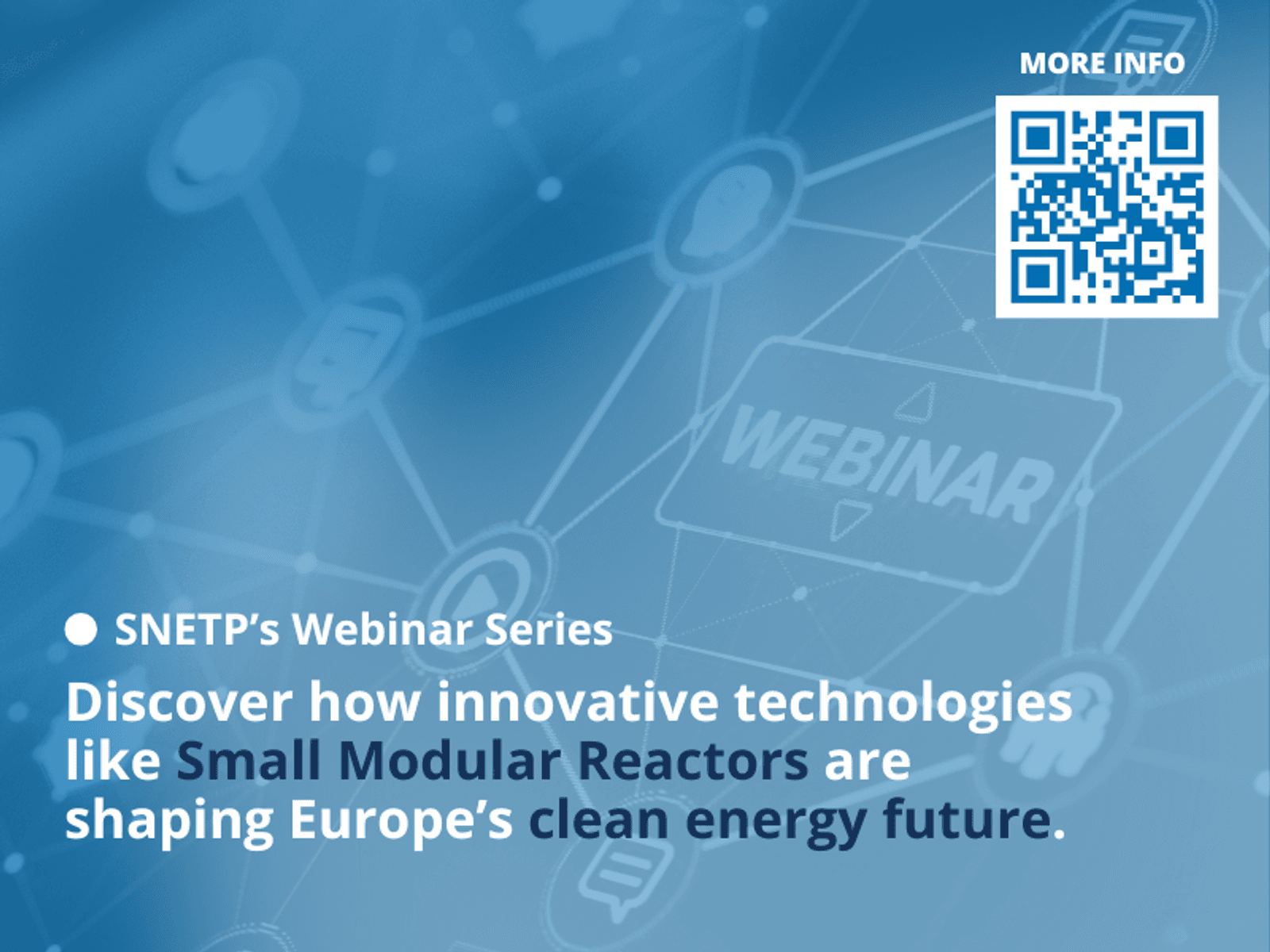
SNETP runs a monthly webinar series showcasing over 38 innovative research projects (partially funded by Euratom) and recognised for their added values in strengthening European leadership in the nuclear fission sector. These sessions offer a unique opportunity for energy experts, researchers and policymakers to explore the latest breakthroughs shaping the future of nuclear power.
Recent topics have covered the development of safer and more efficient next-generation reactors, including molten salt reactors (MSRs).
Upcoming webinars will dive into critical issues such as the long-term safe and efficient operation of the existing nuclear power plants, the way forward to decarbonise the European industries, especially hard to abate sectors that require high temperature heat, and the potential of small modular reactors (SMRs) to transform the energy landscape. SMRs, these smaller, more flexible reactors could help meet energy demand in remote areas, support industrial applications and integrate more easily with renewable power sources.
Ensuring safe deployment of SMRs
One of the most exciting projects within the SNETP project portfolio is EASI-SMR (Ensuring assessment of safety innovation for small modular reactors). Focused on SMRs, EASI-SMR is addressing key safety and efficiency challenges, paving the way for a cleaner, more reliable energy future. Running from 2024 to 2028, this project is set to play a crucial role in transforming how nuclear power is deployed, making it safer, more adaptable and better integrated with renewable energy sources.
One of the key goals of EASI-SMR is the development of passive safety systems. These systems would allow reactors to shut down safely on their own, without relying on complex systems or human intervention, improving both safety and reliability.
The project also aims to simplify reactor cores by removing the need for chemicals like boron, making SMRs easier to operate and maintain. Another area of focus is co-generation, enabling SMRs to produce both electricity and heat, making them more versatile and better suited to work alongside renewable energy sources.
Additionally, EASI-SMR is exploring the use of 3D printing technology to design compact, customisable reactors that can be built faster and more affordably, making deployment more flexible and efficient.
Though still in its early stages, EASI-SMR’s work will directly support real-world projects, including the NUWARD SMR in France, which will focus on electricity and heat production, and the LDR-50 in Finland, designed for district heating. By addressing these challenges, EASI-SMR aims to ensure that nuclear energy becomes a safe, adaptable, and vital part of Europe’s clean energy future.
Nuclear, a key actor for Europe’s clean energy future
The future of Europe’s nuclear sector depends on innovation, collaboration and research, with SNETP’s project portfolio driving these efforts. These initiatives are essential for positioning nuclear energy as a critical part of Europe’s clean energy transition, while ensuring the highest standards of safety and sustainability are met.
Stay informed by joining SNETP’s webinar series, where experts discuss the latest advancements in energy research and technology. These sessions provide valuable opportunities for researchers, policymakers and industry professionals to stay updated and actively contribute to shaping Europe’s clean energy future. Find out more on our website about the next webinar.
About the author
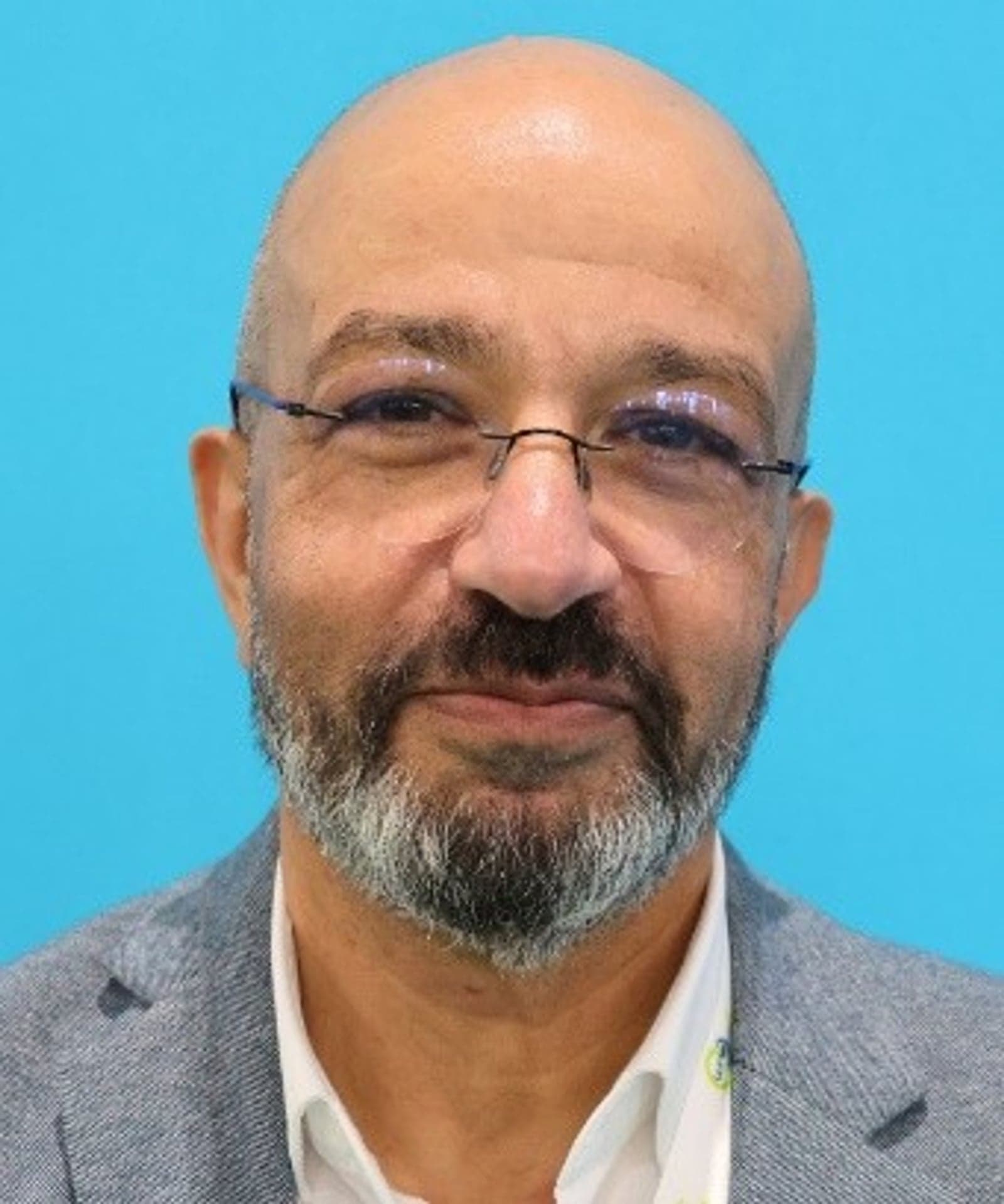
Dr Abderrahim Al Mazouzi is a Fellow Expert and Research Engineer in charge of collaborative projects and European affairs at EDF R&D and has been acting as the general secretariat of the ETIP SNETP since 2018. He holds a PhD in material science and worked previously at several institutions before joining EDF R&D in 2009. He is a member of the Secretariat of the European Industrial Alliance on SMRs and has authored or co-authored more than 100 peer reviewed papers.
Latest content
+5
SNETP – advancing nuclear energy solutions for Europe’s sustainable energy transition
SNETP (Sustainable Nuclear Energy Technology Platform) is taking a key role in promoting the potential of nuclear energy technologies in Europe’s journey towards a sustainable, secure energy future.
- Guest/partner contributor
- 17/02/2025