California mandates 56GW in added renewables over next decade
Power Engineering International
Posted on: 22 February 2024
The GHG reduction plan| which CPUC says represents the "most aggressive end" of the range identified by the California Air Resources Board| aims to achieve a nearly 60% reduction compared to 2020 levels.

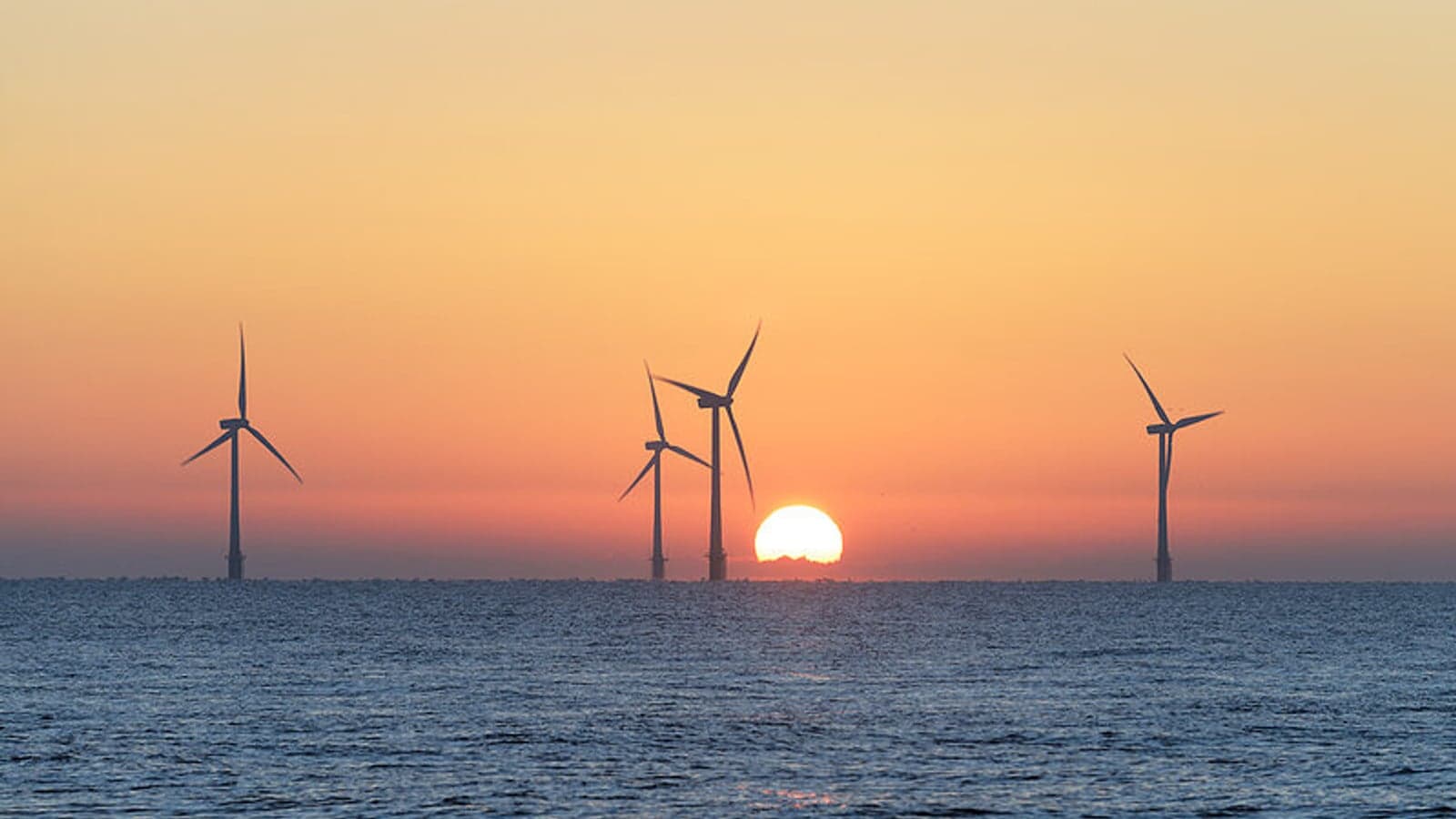
In a new decision in its Integrated Resource Planning proceeding, The California Public Utilities Commission (CPUC) adopted a plan that mandates the construction of more than 56GW of renewable generation by 2035, including 4.5GW of offshore wind.
The added capacity is part of a plan to reduce statewide annual GHG emissions from the electric sector to 25 million metric tons (MMT) in the same timeframe.
The GHG reduction plan, which CPUC says represents the "most aggressive end" of the range identified by the California Air Resources Board, aims to achieve a nearly 60% reduction compared to 2020 levels.
CPUC aggregated data from individual Integrated Resource Plans (IRPs) filed by LSEs about the electricity resources they plan to rely on through 2035. The aggregated portfolio was then compared against reliability and GHG constraints and used to determine whether the collective portfolio contained any gaps requiring action. The LSEs included a "diverse" set of resources in their IRPs, CPUC said, including in-state land-based wind, offshore wind, out-of-state wind, geothermal, long-duration storage, and solar + storage.
“Our decision solidifies California’s global leadership in addressing climate change through accelerating the progress toward clean energy for all, with a keen attention to affordability to ensure we meet our greenhouse gas reduction goals while minimizing impacts on customer bills,” said CPUC president Alice Reynolds.
By 2045, CPUC says the portfolio would reduce emissions by 85%, with a level of 113% clean energy - exceeding 100% because it is based on retail sales and includes exported energy.
Have you read:
Renewables industry ahead of the curve on AI adoption – report
World’s largest solar + storage facility operational in California
In addition to mandating the construction of renewables, the CPUC also recommended to the California Independent System Operator (CAISO) that the resource portfolio achieving the 25 MMT GHG goal be the foundation for planning transmission investments - utilided as both the reliability base case and the policy-driven base case for study in its 2024-2025 Transmission Planning Process (TPP).
CPUC also recommended that CAISO analyse a policy-driven sensitivity case to test the transmission buildout needed for a grid stress case where 15GW of natural gas generation is retired by 2039.
CPUC's decision also addressed two petitions for modification (PFM) of earlier procurement decisions.
Southern California Edison Company (SCE) and Pacific Gas and Electric Company (PG&E) jointly filed the first PFM, requesting a two-year extension on the energy procurement required to replace the Diablo Canyon Power Plant. CPUC denied this PFM "due to concerns regarding system reliability and equity" among load serving entities (LSE).
The California Energy Storage Alliance (CESA) and Western Power Trading Forum (WPTF) filed the second PFM, seeking extensions of the deadlines to procure long lead-time resources when "certain conditions" are met. CPUC approved the PFM, with modifications, requiring LSEs that need an extension beyond the previous decision's June 1 2028 deadline to procure generic capacity to cover the shortfall.
Originally published by Sean Wolfe on, and edited with permission from, Renewable Energy World.