Home
/
CAPTUS: Demonstrating liquid renewable energy carrier production from captured carbon emissions
CAPTUS: Demonstrating liquid renewable energy carrier production from captured carbon emissions
Guest/partner contributor
Posted on: 24 November 2025
The CAPTUS project addresses the challenge of decarbonising energy intensive industries by demonstrating carbon capture and utilisation technologies integrating renewable electricity surplus.
Nowadays, ambitious climate policies pose a significant challenge for energy-intensive industries: they must remain competitive in global markets while drastically reducing carbon emissions. In this context, carbon capture, utilisation, and storage (CCUS) will play a pivotal role in the transition to a low carbon economy.
Among CCUS strategies, the electrochemical and biochemical conversion of CO₂ into high value renewable energy carriers using surplus renewable electricity offers a promising route to close the anthropogenic carbon cycle. However, most current processes remain energy- and material-intensive, resulting in high costs and limited efficiencies.The CAPTUS project aims to demonstrate sustainable and cost-effective pathways for producing renewable energy carriers in energy intensive industries by valorising industrial carbon emissions and integrating surplus renewable electricity. Three complete REC value chains will be implemented across three demonstration sites:
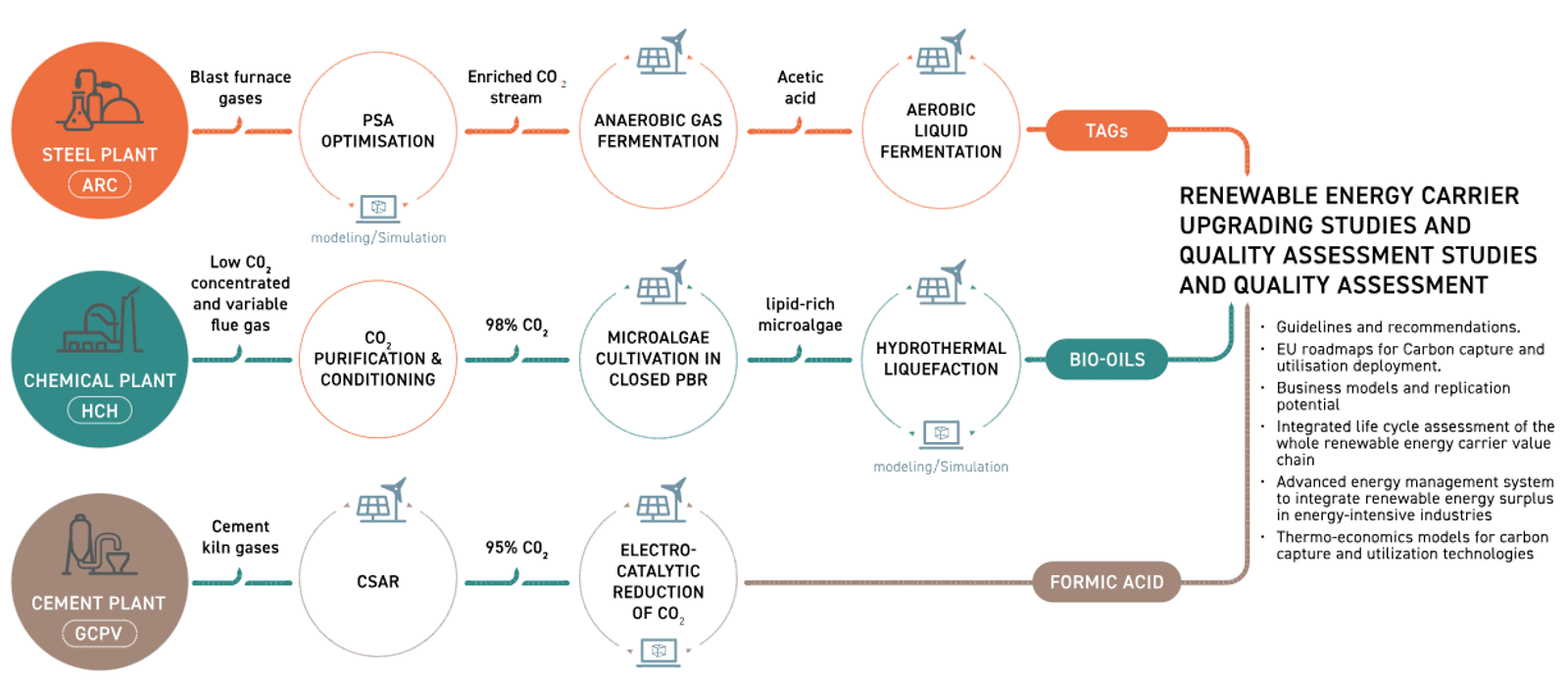
- A two-stage fermentation process to produce triglycerides at a steel plant.
- Lipid-rich microalgae cultivation followed by hydrothermal liquefaction to produce bio-oils at a chemical plant.
- Electrochemical reduction of CO₂ to produce formic acid at a cement plant.
CAPTUS focuses on producing liquid energy carriers from industrial flue gases, tackling CO₂ at low concentrations while optimising integration with renewable electricity to reduce curtailment. The project will provide an industrial roadmap toward a net zero carbon future, implementing energy intensive industry-integrated solutions for efficient carbon capture and conversion into liquid renewable energy carriers.
In the mid-term, emissions mitigation in hard-to-abate sectors will rely on innovative technologies. Scaling up CCU processes requires detailed techno-economic and environmental analyses to ensure feasibility. CAPTUS addresses these challenges by accelerating the deployment of several CCU technologies currently below pilot or demonstration scale (TRL <7), through first-of-a-kind installations at real industrial sites.
The project also considers safety, environmental, societal and business aspects, ensuring a holistic approach to industrial decarbonisation.
CAPTUS methodology
Project workflow
The proposed CAPTUS technologies will be tested and validated from laboratory to pilot scale, and the resulting renewable energy carriers will undergo quality assessments and upgrading studies to support the formulation of high-performance fuels. Additionally, CAPTUS will evaluate the integration of these validated solutions in energy intensive industries, considering economic, environmental, societal, regulatory and geopolitical aspects.
The project will also develop guidelines and strategies for a decarbonisation roadmap, enhancing awareness and acceptance of CCU technologies and their derived carriers, while generating viable business cases and opportunities for replication.
Work packages
CAPTUS addresses this complex challenge through a highly competitive consortium of 18 partners from 8 EU countries. The consortium combines leading technology developers and providers with key industrial partners from three of the most CO₂-intensive sectors: steel, chemical and cement.
The consortium’s strength lies in its complementary expertise, encompassing diverse knowledge, skills and networks across all targeted renewable energy carrier value chains. This includes access to key stakeholders, specialised resources and technical capabilities essential for the successful achievement of project objectives. While each partner contributes to multiple tasks throughout the project, every partner leads at least one task aligned with their expertise, ensuring optimal performance and impact.
Partners
The CAPTUS consortium has been carefully selected to assemble a team of experienced partners, each contributing their expertise to ensure the successful implementation of the project objectives. The consortium combines multidisciplinary competencies and resources from academia, research organizations, engineering firms, and industry, including seven European SMEs (BBEPP, NOVIS, APRIA, DRAXIS, A4F, GF, HCH); three large enterprises representing diverse stakeholder roles (RINA-C, ARC, GCPV); five well-established RTOs with extensive experience in EU projects (CIRCE, SINTEF, CSIC, SIG, CERTH); two universities (UNICAN, UNIGE); and one non-profit organization (EEIP).
This partnership structure provides the complementarity and critical mass necessary to achieve the project goals efficiently, ensuring optimal timing, quality, and cost-effectiveness, with all required expertise covered.
The consortium is coordinated by the technology centre CIRCE, which brings extensive experience in energy and industrial sectors, as well as a strong track record in managing major European-funded research projects successfully.
Demonstration sites
CAPTUS demonstration site 1
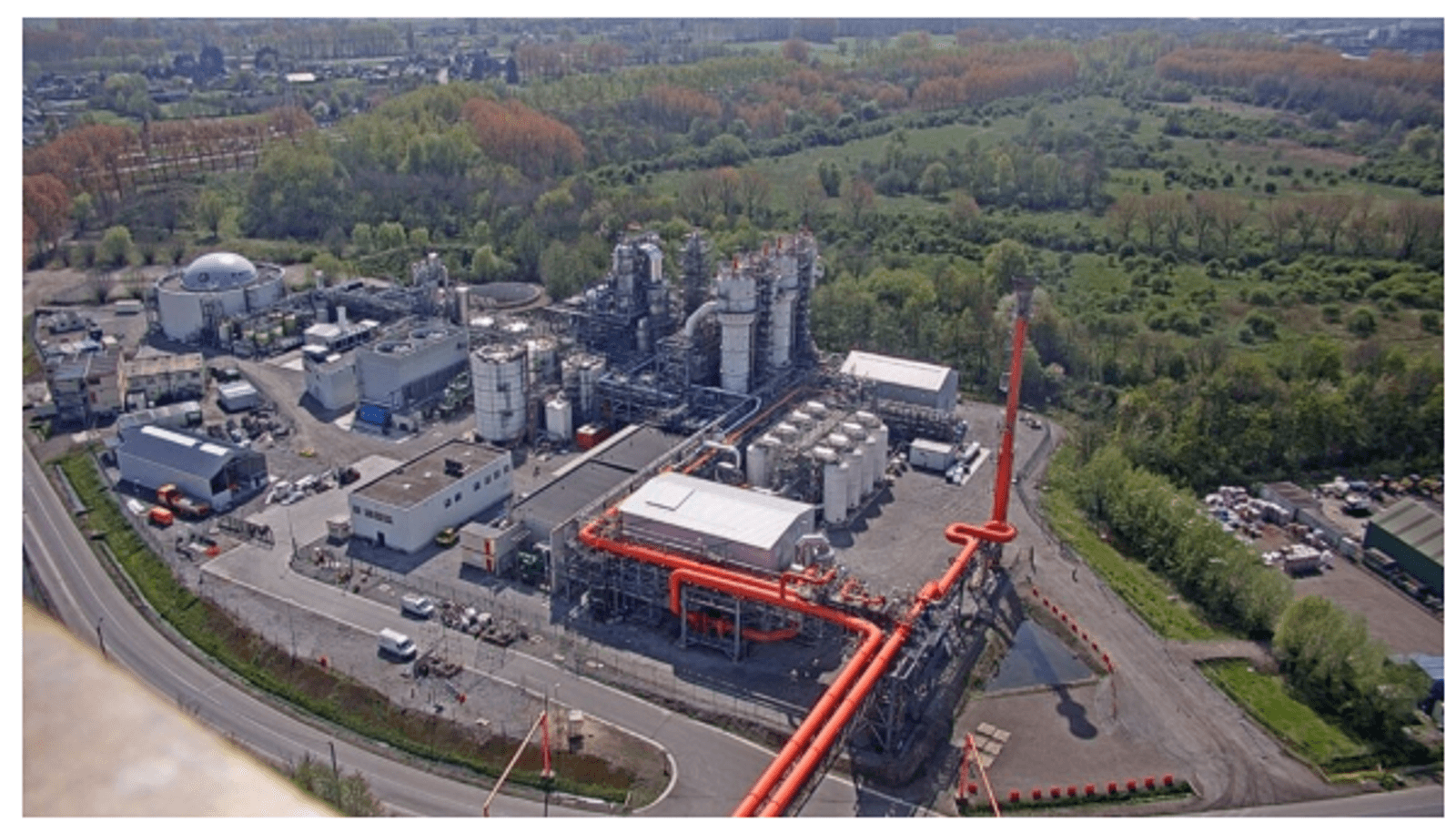
The CAPTUS demonstration site 1, located at ArcelorMittal’s steelmaking plant in Ghent (Belgium), will showcase a complete CCU process using an innovative multi-stage fermentation technology.
ArcelorMittal, committed to environmental improvements, has already developed a strategy to minimise CO₂ emissions through gas fermentation for ethanol production under the Steelanol project, where side streams (PSA tail gas and fermenter off-gases) are currently combusted for energy recovery. Within CAPTUS, these side streams will be valorised through a coupled two-stage gas–liquid fermentation cascade: first, converting steel mill gases into acetate, followed by in-line conversion to triacylglycerols.
A liquid-substrate fermentation process will further convert the intermediate acetic acid into medium- and long-chain triacylglycerols. This process will be developed and validated at pilot scale under real industrial conditions, fully integrated with the primary gas fermentation step. Downstream processing will be carried out at BBEPP’s facilities under conditions simulating an industrial environment.
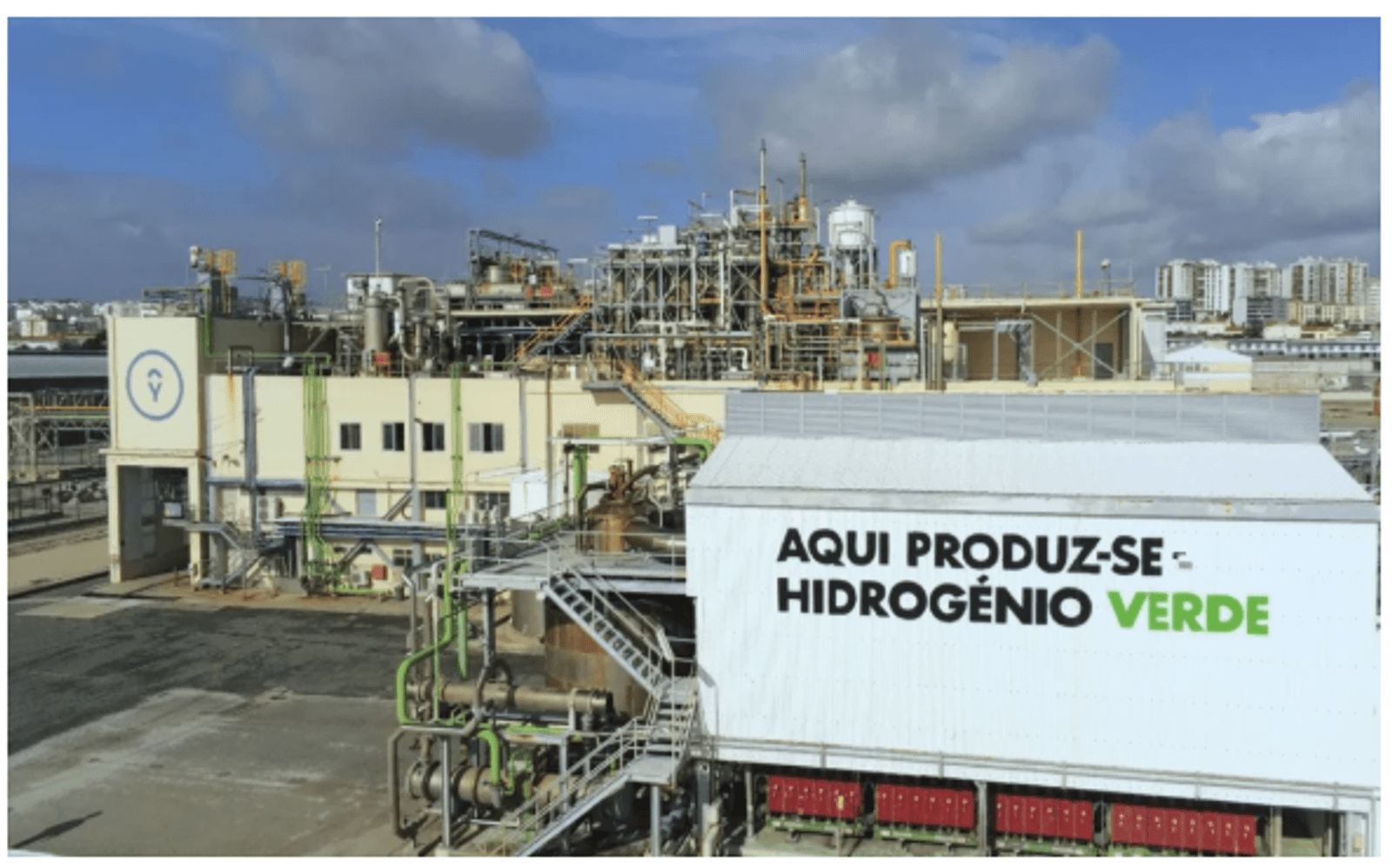
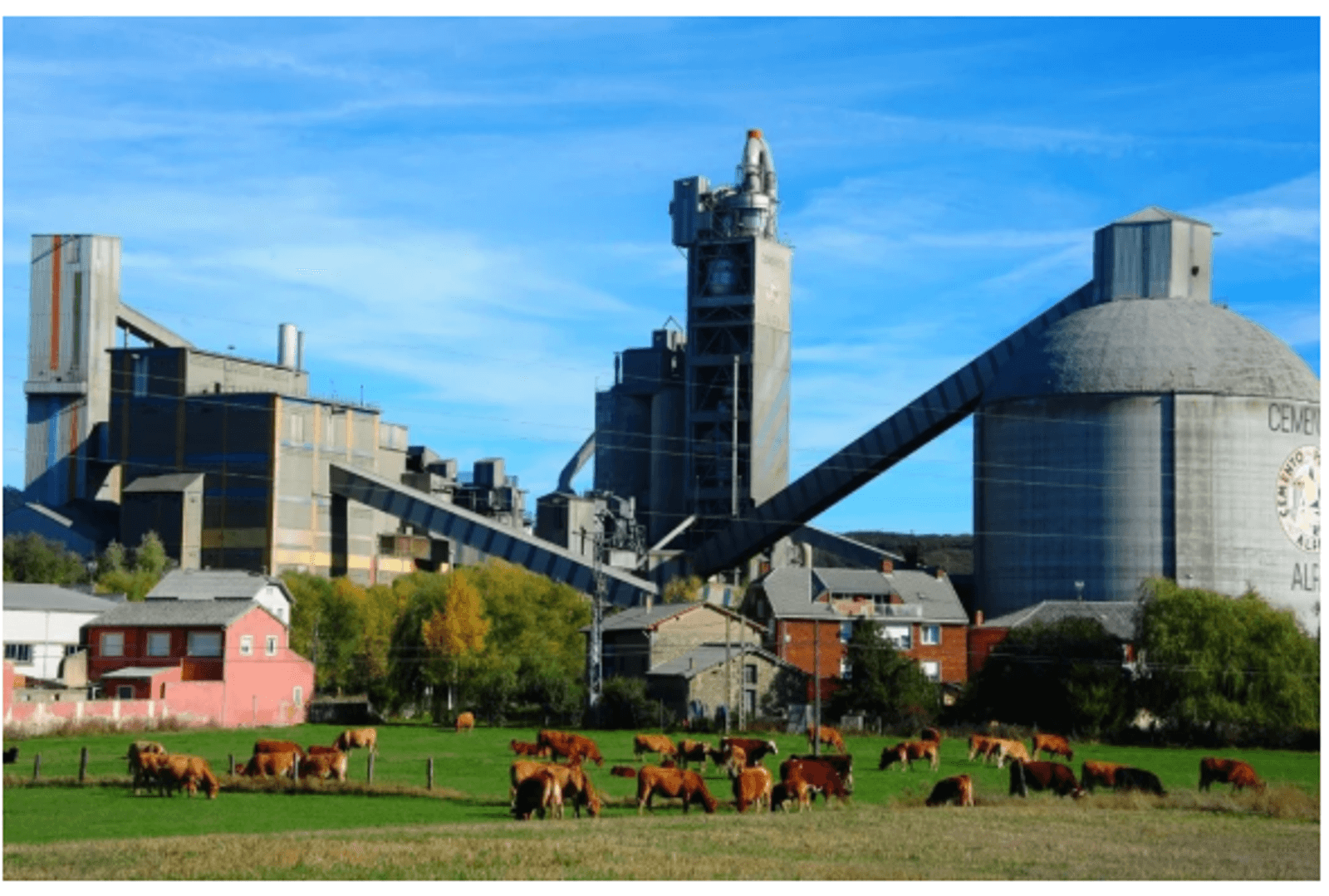
Figure 2 - L.-r. CAPTUS demonstration sites 1, 2 and 3.
CAPTUS demonstration site 2
CAPTUS demonstration site 2, located at HyChem’s industrial site in Póvoa de Santa Iria (Portugal), addresses the integration of several technical solutions: CO₂ capture from fluctuating gas streams, its valorisation for microalgae cultivation and subsequent conversion into bio-oil as a renewable energy carrier.
These novel technologies have not yet been combined in a single demonstrator at this scale, and achieving both technical and economic viability remains a significant challenge. Furthermore, none of these processes are available as turnkey solutions, requiring each integrated unit to be specifically designed for this project.
Demonstration site 2 will implement a complete CCU process through an innovative technology chain comprising: CO₂ capture and purification, microalgae cultivation in tailored photobioreactors, and hydrothermal liquefaction. The full value chain, converting chemical plant flue gas into high energy content bio-oils, will be developed, optimised and demonstrated under real industrial conditions.
CAPTUS demonstration site 3
CAPTUS demonstration site 3 is located at the GCPV cement plant in Mataporquera (Cantabria, Spain, representing the third energy-intensive sector addressed by the project: the cement industry.
Through coordinated RD&I activities, CAPTUS partners GCPV, SINTEF, UNICAN, APRIA and CIRCE will assess the feasibility of applying innovative technologies, including CO₂ capture and utilisation, renewable energy integration, green hydrogen use and other emerging techniques within clinker and cement production processes.
At this site, a CO₂ valorisation pilot will be demonstrated to produce formic acid/formate, integrating CCU technologies for an efficient and selective electrochemical conversion of CO₂ under continuous operation. An advanced electrode and reactor configuration will be developed, optimised and tested to convert the nearly pure CO₂ stream (≈95%) obtained from a CSAR unit at the GCPV cement plant.
Conclusion
After 28 months of project work and reaching the halfway point, several plant installations have been completed. Numerous experiments have been conducted, products characterised and evaluated and models developed. Construction for the demonstration sites is now underway, aiming to implement the processes in industrial settings.
The second half of the project will focus on industrial deployment and process optimisation.
For more on CAPTUS, visit the website.
This article was prepared with contributions from the project’s work package leaders and partners. The authors from the University of Cantabria are Guillermo Díaz-Sainz, José Antonio Abarca, Lucía Gómez-Coma, Aitor Marcos-Madrazo and Angel Irabien.
About the author
Guillermo Díaz-Sainz is a member of the DePRO Research Group and currently serves as an Associate Professor in the Department of Chemical and Biomolecular Engineering at the University of Cantabria. His research activities focus on innovative processes for CO₂ capture and its photo- and electrochemical conversion into value-added products, alongside the production of green hydrogen.
Most popular
Join the community for freeAnd get access to all content
Related projects
CAPTUS
1 June 2023 - 31 May 2027
View project