Date centre boom sees dealmakers bet big on European nuclear
Enlit Editorial Team
Posted on: 15 June 2026
Three forces are converging to drive dealmaking in Europe’s nuclear power sector, says global law firm White & Case’s Project Development and Finance Group.
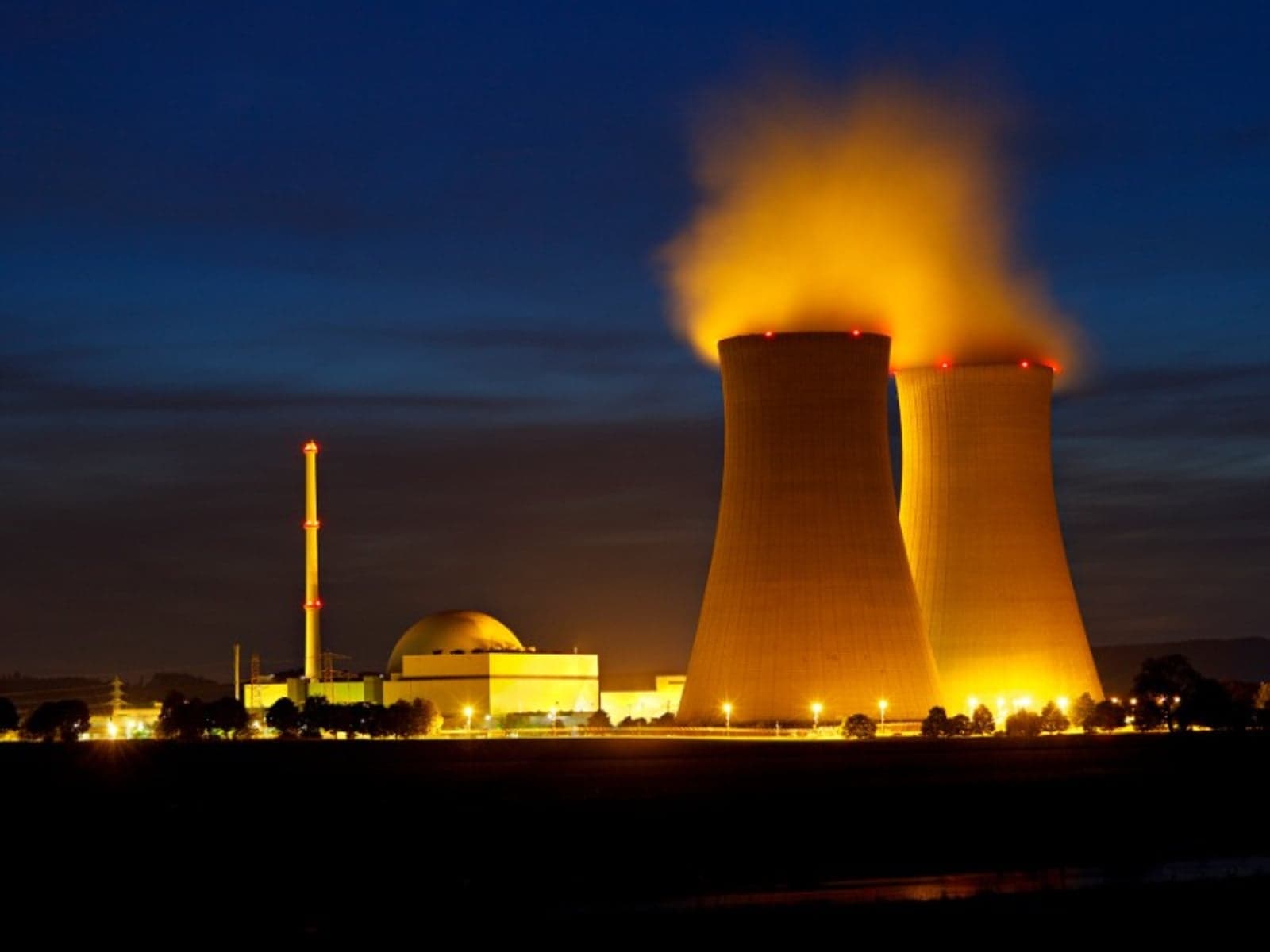
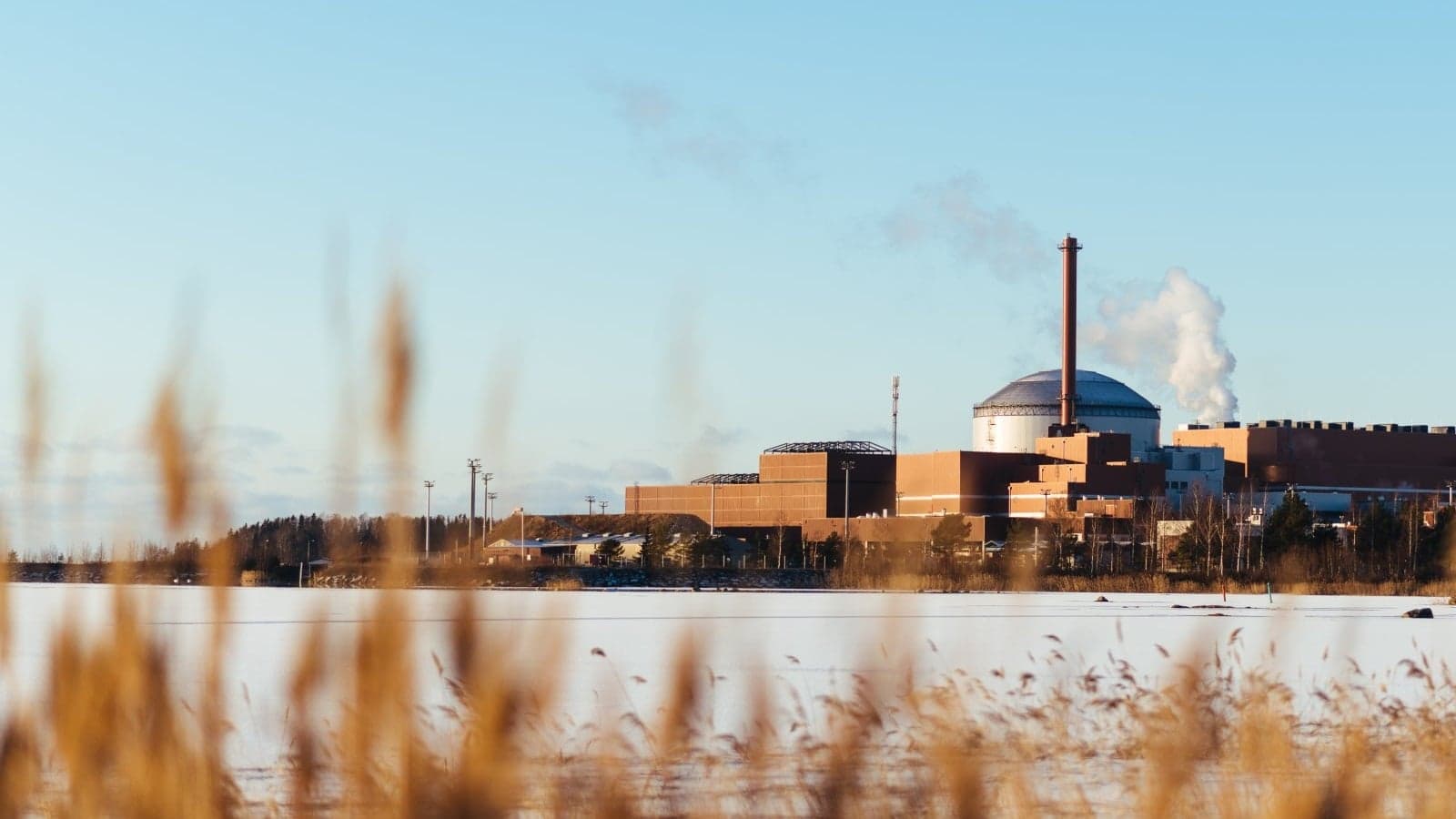
Nuclear energy is firmly back on Europe’s agenda, with governments across the continent turning to nuclear power as a strategic priority as they face skyrocketing electricity demand from the data centre boom being driven by AI, volatile energy markets and a renewed focus on energy independence
This, says global law firm White & Case’s Project Development and Finance Group, has led to a wave of merger and acquisition activity in Europe’s nuclear energy sector which reached a seven-year high in 2025, with a total of 25 transactions, up from 17 in 2024, with deal value coming in at $1.5 billion, and already, 2026 is looking similarly strong
Ximena Vásquez-Maignan, project finance lawyer specialising in the nuclear sector at White & Case LLP, said that the case for European nuclear power M&A and equity investment is as strong as it has been in a generation.
“Energy security in Europe is no longer a peripheral concern. Decarbonisation requirements are tightening and the surge in AI‑driven power demand, particularly from data centres, is creating a supply gap that requires reliable, low‑carbon and high‑density energy, which nuclear is uniquely positioned to provide.”
David Lewis, partner in the global M&A and Corporate practice at the law firm, said that while dealmaking is still in its early stages, the vast quantity of capital needed will encourage investors to pursue deals.
“PE [private equity] players and early-stage investors are already looking to snap up lucrative startups with disruptive potential. And buoyed by an increasingly favourable political and regulatory climate, many positive factors are aligning for ambitious dealmakers,” said Lewis.
U-turn on nuclear
The law firm highlighted that facing volatile energy markets, mounting pressure to decarbonise and a renewed focus on energy independence, governments across Europe are reversing longstanding positions and turning to nuclear power as a strategic priority.
“This shift in sentiment is playing out at speed due to the current geopolitical climate. Belgium, Switzerland and Italy have announced plans to reverse historic bans, while Finland and Sweden are pursuing an ambitious nuclear power strategy. The UK, meanwhile, is streamlining regulation to accelerate nuclear projects. What was, until recently, a politically toxic energy source is now being treated as essential infrastructure.”
The current policy sea change is opening a significant investment runway.
The European Commission’s (EC) 2026 Nuclear Illustrative Programme - also known as PINC - whose objective is “to provide an up-to-date, comprehensive, fact-based overview of nuclear development trends and a scope of the investment needs across the EU,” projects a need for $280 billion in investments in large reactors by 2050 to deliver the bloc’s nuclear ambitions.
PINC also specifies that the installed capacity of small modular reactors (SMRs) should range from 17GWe to 53GWe by 2050, corresponding to between 60 and 350 units depending on average unit sizes of 100 to 400MW.
At the Nuclear Energy Summit in March, the EC also announced a €200 million ($233 million) guarantee fund to support private sector investment in the development of SMRs.
Have you read?
How Siemens Energy has positioned itself for the nuclear revival
Nuclear sustainability mindset must move beyond compliance
Data and key transactions
M&A activity in Europe’s nuclear energy sector reached a seven-year high in 2025.
According to Mergermarket, a total of 25 transactions were announced over the course of the year, up from 17 in 2024, with deal value coming in at $1.5 billion (excluding the UK’s Sizewell C deal).
“Already, 2026 is looking similarly strong. Deal volume is following a comparable trajectory to 2025, with ten deals announced by June 8. But the market has recorded a remarkable spike in deal value, with those ten totalling $3 billion, already doubling 2025’s full-year output and eclipsing all annual totals for the last several years,” said White & Case.
Several key investments set the tone over the past year.
These include the $475 million merger between US-listed blank check company GSR III Acquisition Corp and nuclear startup Terra Innovatum, an Italy-based developer of micro-modular reactors (MMRs). The deal aims to support the rollout of the SOLO MMR, a clean energy solution for data centres, mini-grids, large-scale industrial operations and off-grid sites. Once the deal is completed, the nuclear startup will list on the Nasdaq stock exchange.
Another notable deal, outside the scope of Mergermarket’s M&A stats, involved the commitment of approximately £3.25 billion ($4.4 billion) from the private sector in the UK government’s Sizewell C nuclear power plant, with equity investments from Canadian pension fund La Caisse, Centrica and Amber Infrastructure. The power plant is expected to create 10,000 direct jobs and power six million homes, according to the UK treasury.
Meanwhile, the Czech government acquired a majority stake in CEZ subsidiary Elektrarna Dukovany II, which plans to build two new nuclear units.
SMRs are proving popular with investors this year, given their many positive features, particularly their size and flexibility compared to conventional options, which make them less costly and time-consuming to build.
Deal drivers
Three forces are converging to drive dealmaking in Europe’s nuclear power sector: skyrocketing electricity demand from data centres, broad reassessment of energy security, and a regulatory environment that is shifting decisively in nuclear's favour.
The data centre boom being driven by AI is perhaps the most immediate catalyst. As the need for reliable, carbon-free power outstrips the intermittent nature of renewable sources, data centre businesses are increasingly turning to nuclear as the only scalable, clean energy option to decarbonise their activities.
Europe’s quest for energy security is also driving interest.
Perhaps the most striking development is the speed at which former sceptics are reversing course. Germany’s Chancellor Friedrich Merz, for instance, has called the country’s 2023 shutdown of its nuclear power plants a “huge mistake,” but has not announced plans to build new plants. However, Germany will not oppose other EU countries’ plans to develop nuclear, as it has in the past.
Elsewhere in Europe, Sweden recently committed to four large-scale reactors to meet surging demand and strengthen energy independence.
The rise of SMRs
Meanwhile, Italy is preparing to reintroduce nuclear into the country’s energy mix through next-generation small reactors developed by the private sector, a move set to reverse a four-decade ban on nuclear power. The government is expected to approve a framework for the return of nuclear this summer, in response to geopolitical instability and rising energy costs.
China and Russia are the only nations to have deployed SMRs operationally, but the EU and UK have committed to accelerating development. This support is already drawing capital: SMR unicorn newcleo recently closed an $87 million funding round to expand its R&D infrastructure in Europe and enter the US market. At the end of May, the company confirmed it would list on the Nasdaq via a SPAC, with the merger valued at $2.4 billion.
For all the political tailwinds, dealmakers in Europe’s nuclear power sector face several inherent challenges.
Political consensus remains fragile. The countries that are now supporting nuclear power can reverse course with the next election cycle.
Outlook
The case for European nuclear power M&A and equity investment is as strong as it has been in a generation, said White & Case.
“Energy security in Europe is no longer a peripheral concern. Decarbonisation mandates are tightening. And the surge in AI-driven power demand, particularly from data centres, is creating a supply gap that renewables alone cannot address.”