How Siemens Energy has positioned itself for the nuclear revival
Pamela Largue
Posted on: 11 June 2026
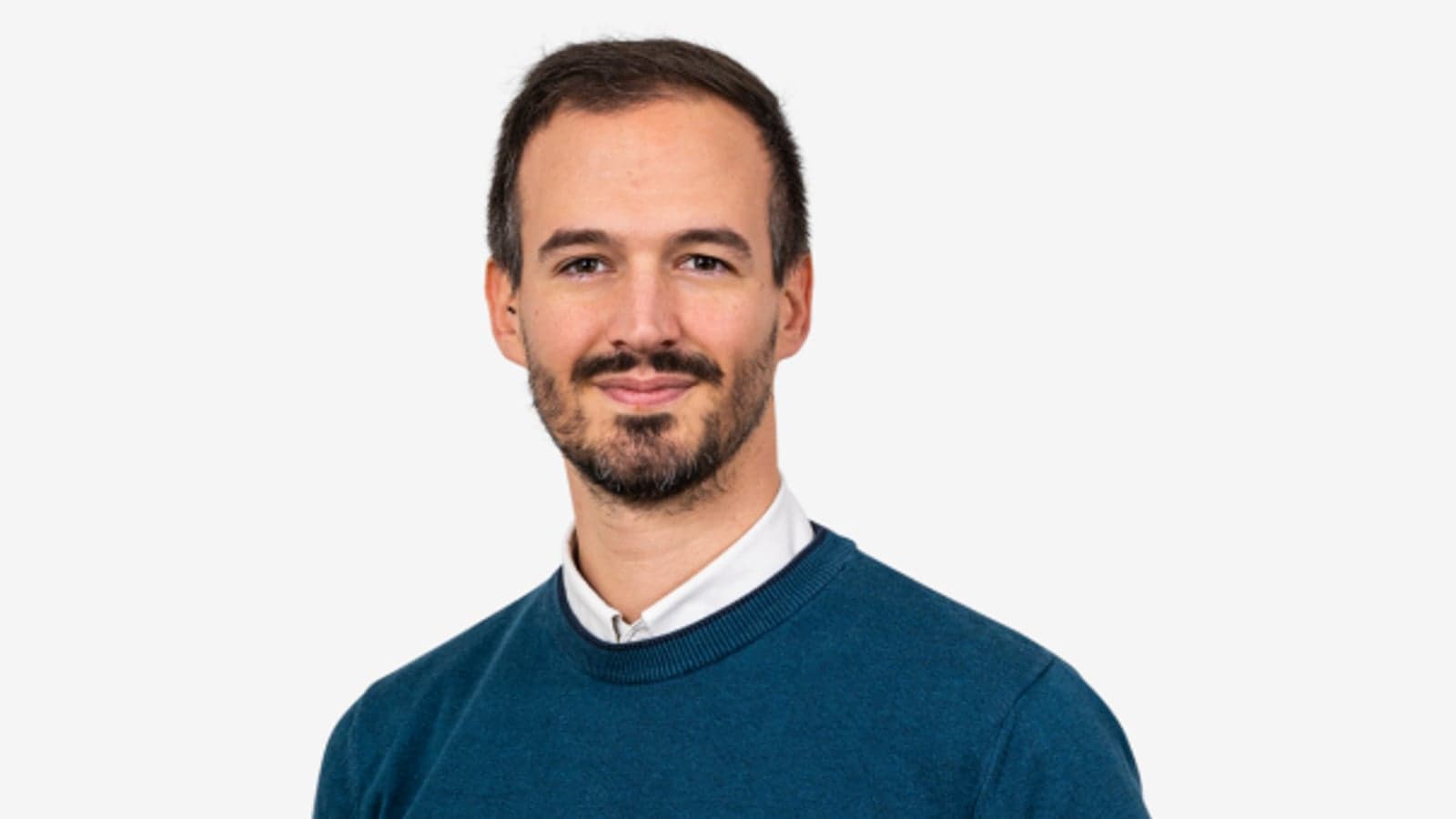
Felix Aschendorf discusses how Siemens Energy’s steam turbine legacy has provided a strong foundation for the company’s contribution to the nuclear sector.
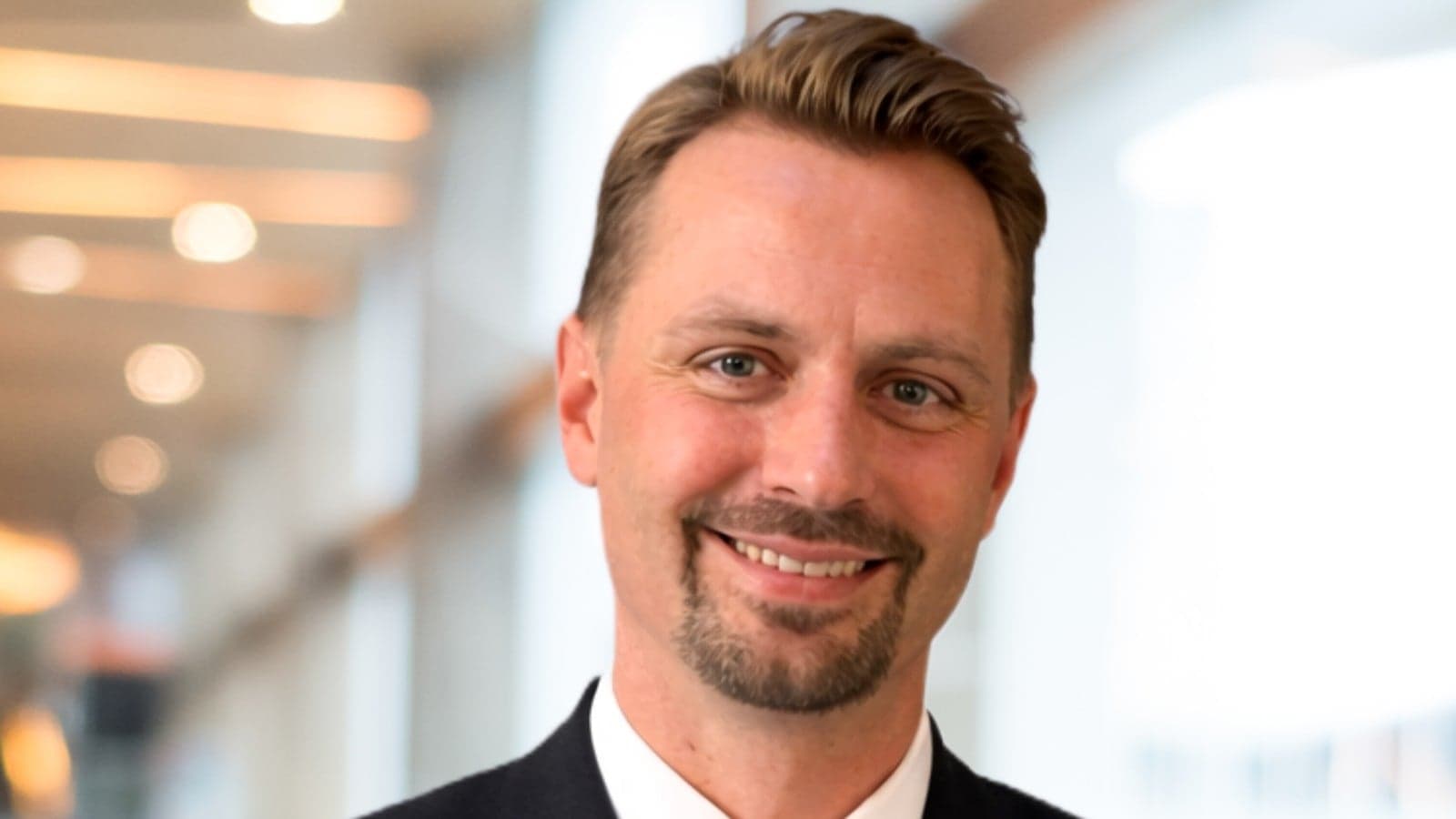
Despite decades of involvement in the nuclear sector, Siemens Energy has rarely been associated with nuclear power in the public conversation. A perception that Felix Aschendorf, Sales Director Nuclear at Siemens Energy, is now working to change.
“Sometimes, in the early days when I went to nuclear conferences, people would ask, what is Siemens Energy, a German company, doing here?
“This was the perception we wanted to change. We never stopped supporting nuclear. We have been doing this since forever, but we hardly ever spoke about it.”
According to Aschendorf, nuclear power has always been a core part of Siemens Energy’s business and remains strategically important moving forward, particularly in large-scale nuclear projects and Small Modular Reactors (SMRs), where the company supplies the conventional island, including steam turbines, generators and control systems, but also looking ahead towards Fusion.
A solid foundation for nuclear
Today, the company’s nuclear activities are focused around four key pillars: large-scale new build projects, SMRs, control systems, and service and lifetime extension work.
For Aschendorf, the service side of the business is especially important because it supports customers across the full lifecycle of a plant.
Extending the operating life of nuclear plants, he says, will become increasingly important as countries look to maintain existing generation capacity while also building new nuclear infrastructure.
Using the United States as an example, he points to lifetime extension programmes targeting 60 or 80 years of operation.
“These extensions mean you don’t just need to overhaul turbines but replace them entirely to make them fit for the next 20 years.
“That's what we're doing, for our own turbines and designs, as well as for other OEMs, the rotors, inner and outer casings and valves.”
A steam turbine legacy fit for multiple reactor technologies
Aschendorf describes the company’s role in nuclear as being closely linked to its long-standing steam turbine expertise.
For more than a century, Siemens Energy (or Siemens, in former times) has focused on converting steam into power, regardless of its source.
“The principle of turning steam into energy is what we’ve been doing for decades with this wide portfolio from 2MW to 1,900MW steam turbine trains.
“In very simple words, we don't care where the steam is coming from, whether AMR, SMR, lead-cooled or pebble bed.”
It’s about making nuclear smaller, building repeatability, and lowering cost.
This flexibility allows Siemens Energy to support a broad range of reactor technologies and positions the company to work with multiple developers as the SMR sector evolves.
At the same time, Aschendorf acknowledges that significant consolidation in the SMR market is inevitable. While there are currently dozens of concepts globally, only a small number are likely to succeed commercially.
For the Munich-headquartered company, this means focusing on the most mature technologies and companies, including those with the strongest business structures, financing strategies and long-term pathways to deployment.
“We want to support this, we believe in the technology, but need to invest wisely.”
Is nuclear reinventing itself?
For Aschendorf, the answer is clearly yes, with Germany providing an example of how sentiment around nuclear energy may be slowly changing.
“Nowadays, there are talks about whether stepping out of nuclear power generation was a good idea or a bad idea and that perhaps Germany needs to look at this technology again.”
He also points to growing support from the European Commission, which now recognises nuclear as a low-emissions technology, helping unlock financing mechanisms and broader project support.
Have you read?
Nuclear sustainability mindset must move beyond compliance
Africa is planning to have its yellowcake and eat it
Countries such as France and the United Kingdom are expected to continue relying on nuclear as a major part of their energy mix. Beyond Europe and those traditional supporters, Aschendorf says the positive shift in attitude is global in nature.
He sees COP28 and the commitment to triple nuclear capacity by 2050 as a significant turning point for the industry.
It’s what Aschendorf describes as “common sense”.
“Nuclear is a part of the mix to get things done, to meet the need for increasing power demand while managing CO2 or energy sovereignty targets and geopolitical tensions".
SMRs, a key part of nuclear’s reinvention
When asked whether SMRs will help drive growth in the sector, Aschendorf’s answer is unequivocal.
He believes SMRs can help modernise the industry through standardisation, repeatability and smaller-scale deployment models.
“It’s about making nuclear smaller, building repeatability, and lowering cost,” he says, adding that “the best way to eat an elephant is in pieces.”
Compared with mega-projects such as Hinkley Point C and Sizewell C, SMRs offer the potential for more manageable project delivery.
“It's massive, the duration, the financing, and sometimes unpredictable risks associated with these projects.”
In theory, reducing project scale should also reduce execution risk while enabling a more repeatable industrial approach and a steadier project pipeline.
Still, Aschendorf acknowledges that much of the SMR promise remains theoretical at this stage because no large-scale fleet is yet in operation.
Europe’s opportunity and the importance of partnerships
Despite the challenges, Aschendorf believes Europe has all the ingredients required to become a major player in the future nuclear market.
“We have the knowledge, infrastructure, operators, financing schemes - everything is in place.”
He believes the current geopolitical environment is also strengthening what he refers to as a “European way of thinking”, creating momentum for stronger collaboration across the sector.
To build on this momentum, he says governments need to provide long-term commitment and clear market signals to investors and developers.
“We need to further strengthen alliances and partnerships across Europe and globally, leveraging the existing knowledge within companies of all sizes.”
Rather than project-to-project decision making, which reduces synergies, lessons learned, and repeatability, you form long-lasting partnerships across multiple projects.
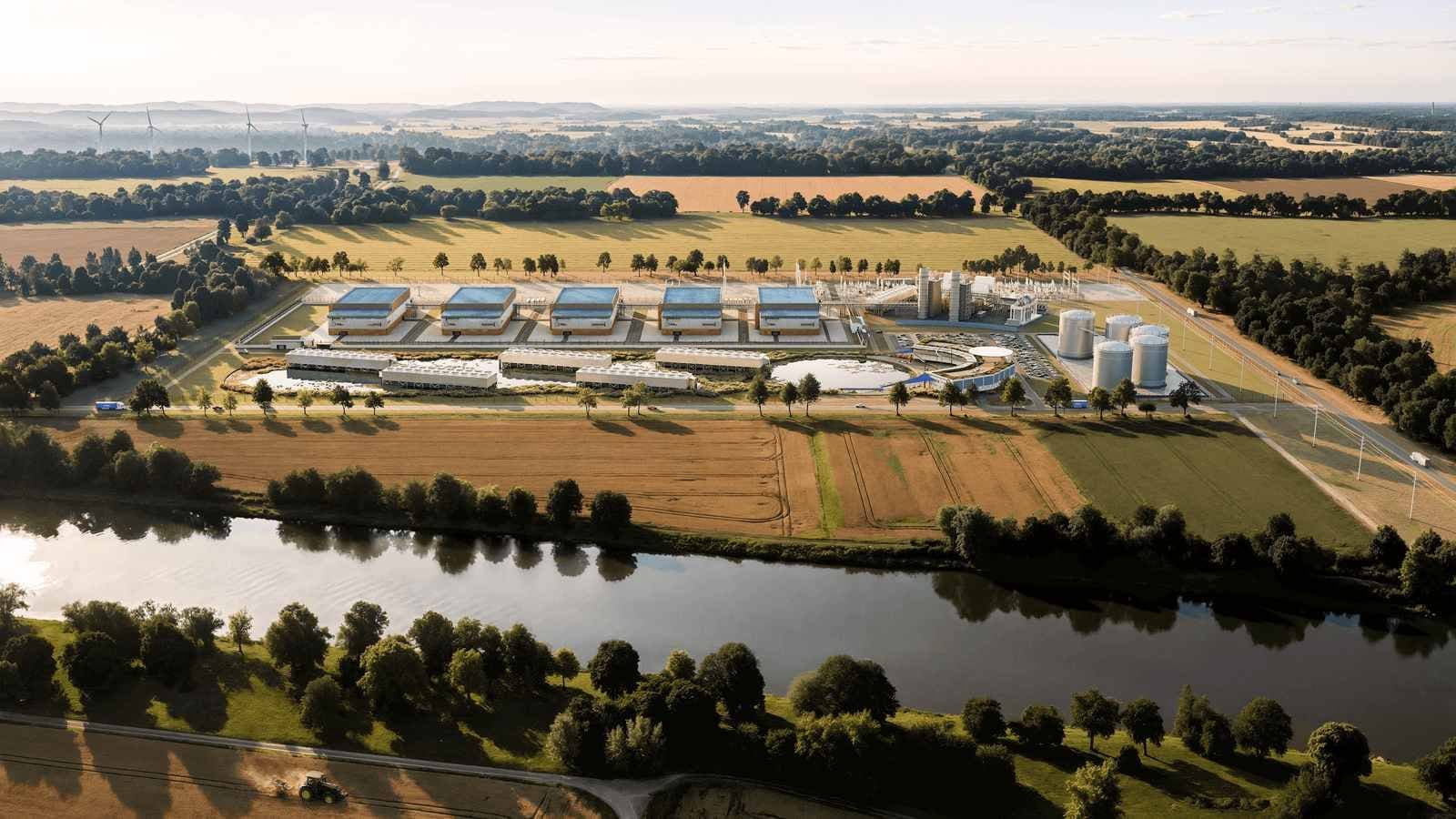
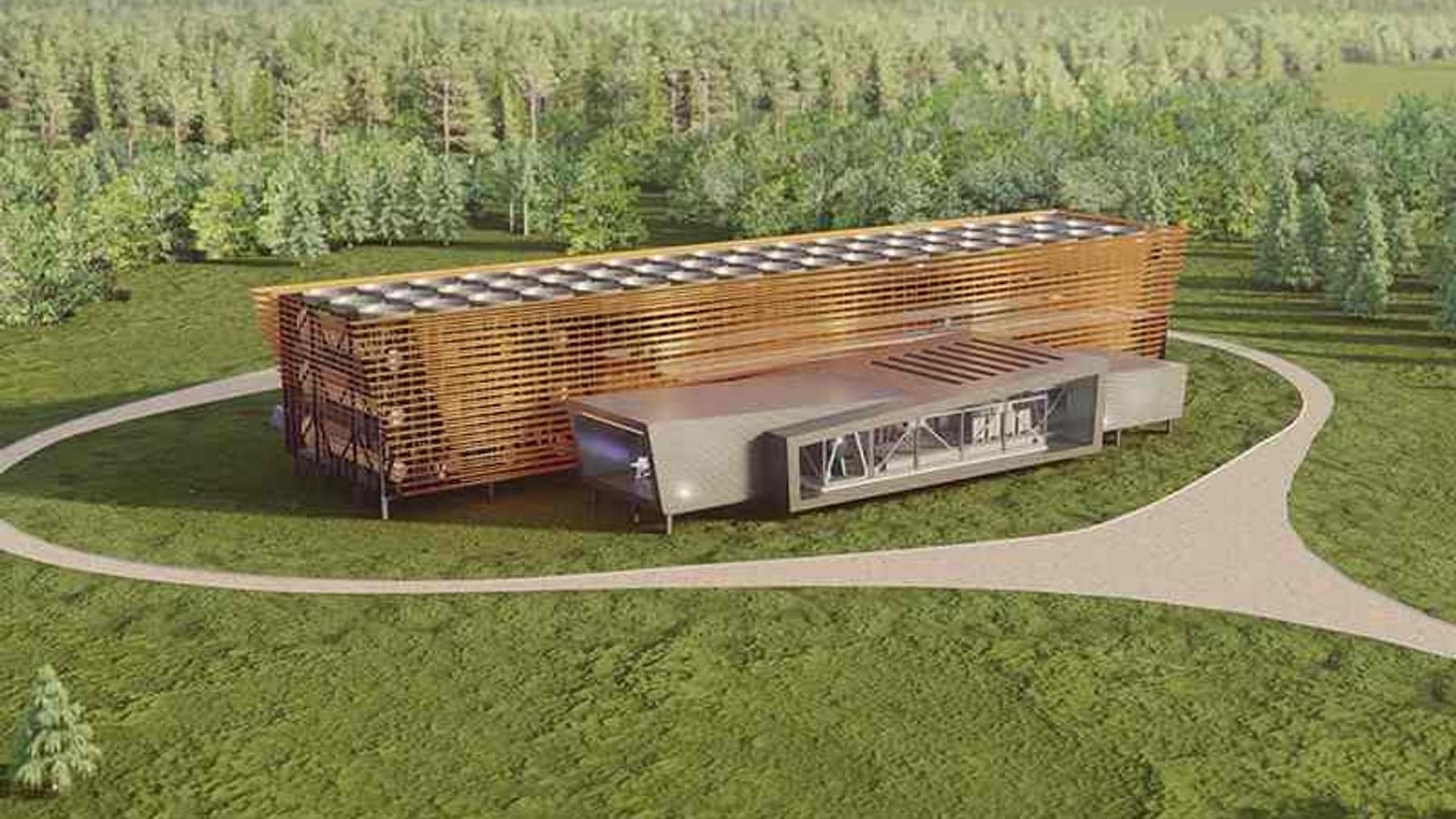
One example is Siemens Energy’s long-standing relationship with Rolls-Royce SMR, which was recently expanded through projects including the proposed Wylfa SMR project in North Wales and the ČEZ SMR project in the Czech Republic.
Project development is currently underway, beginning with conceptual design before moving into detailed engineering, final investment decisions and equipment procurement.
Under the partnership, Siemens Energy will supply the steam turbine, water-steam cycle equipment and balance-of-plant systems, covering the full conventional island.
“We are focusing on what we are best at,” says Aschendorf.
According to him, this type of long-term partnership model is very beneficial.
“Rather than project-to-project decision making, which is reducing synergies, lessons learned, and repeatability, you form long-lasting partnerships across multiple projects.”
He admits this is not always easy for large organisations with deeply established internal structures and processes.
“But I think that it’s good because we also need to challenge ourselves with a new view or consider how to do things in a different way.
“A comfort zone is fine, but from time to time you need to leave it as well - this usually provides you with a positive outcome.”
The challenge of scaling SMRs? Nuclear red tape.
Aschendorf says one of the biggest challenges facing the industry remains nuclear codes, standards, safety classes and quality requirements. While some mandates for power equipment are well-founded, applying reactor-level scrutiny for all plant assets might be unwarranted.
It is an issue Siemens Energy is addressing both internally and through industry collaboration with partners such as Rolls-Royce.
“For a non-reactor supplier like we are, being affected by such requirements can be difficult.
“It makes things more expensive, requires more effort in terms of documentation, traceability of equipment, which then gets pushed down to the sub-suppliers who potentially cannot supply the paperwork and certifications.”
Also of interest:
Rolls Royce signs £600m SMR pact with UK for Wylfa project
European Commission sets course for SMR deployment in early 2030s
He also highlights regulatory harmonisation as a major challenge for the future growth of the industry.
Despite the complexity, Aschendorf says this is exactly what keeps the industry interesting.
That sense of curiosity and collaboration, he suggests, is also reflected internally at Siemens Energy and increasingly shapes the company’s external partnerships as well.
It’s this complexity, together with curiosity and collaboration, that keeps the industry interesting, says Aschendorf.
That sense of enthusiasm and teamwork, he suggests, is also reflected internally at Siemens Energy and increasingly shapes the company’s external partnerships as well.
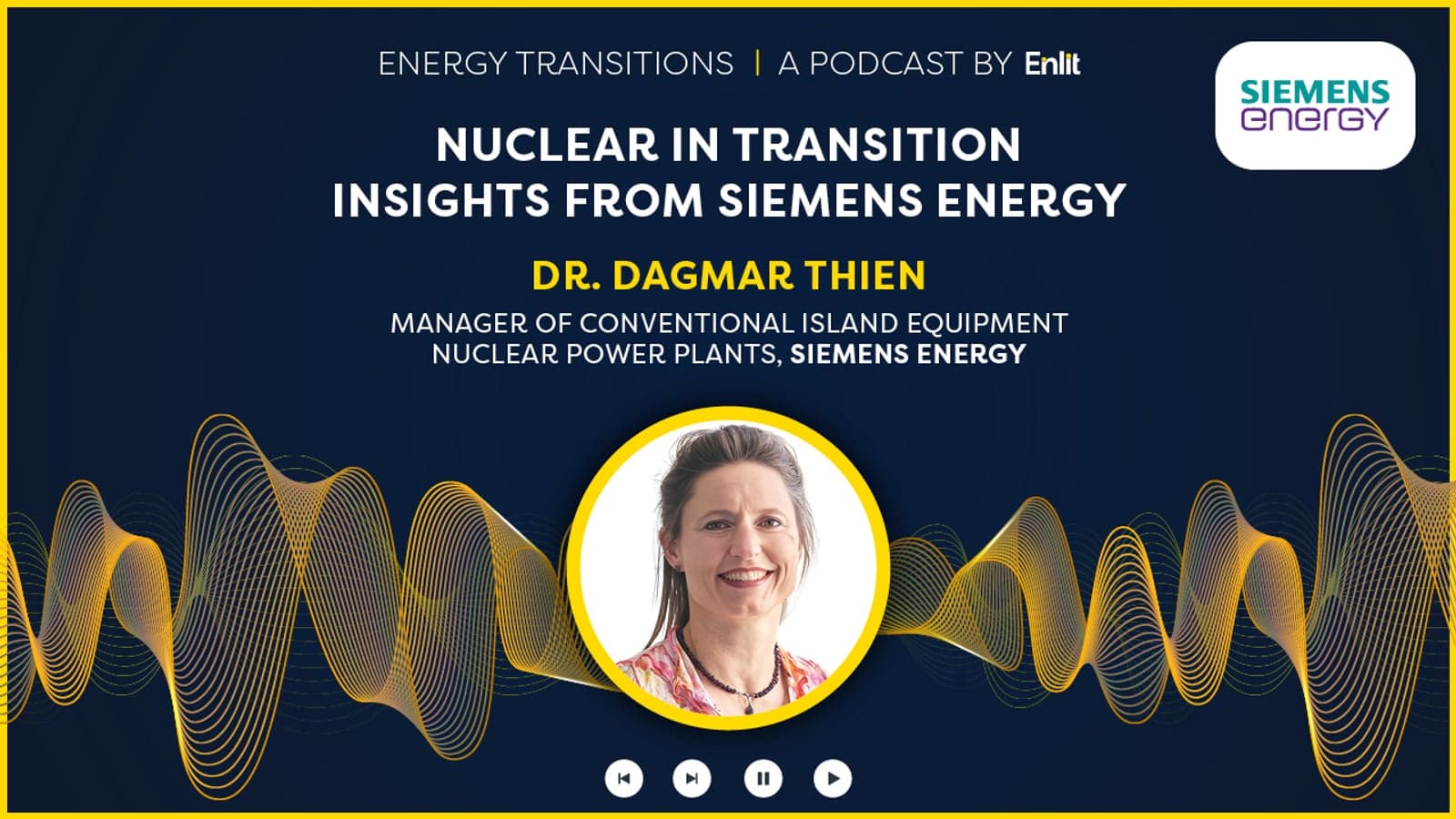
Nuclear in transition: Insights from Dagmar Thien
In this Energy Transitions podcast, Dagmar Thien of Siemens Energy, highlights the company’s long-standing role in nuclear energy and how it is supporting sector growth.