Coolbrook and Tenova partner to drive CO2-free metals production
Pamela Largue
Posted on: 22 April 2025
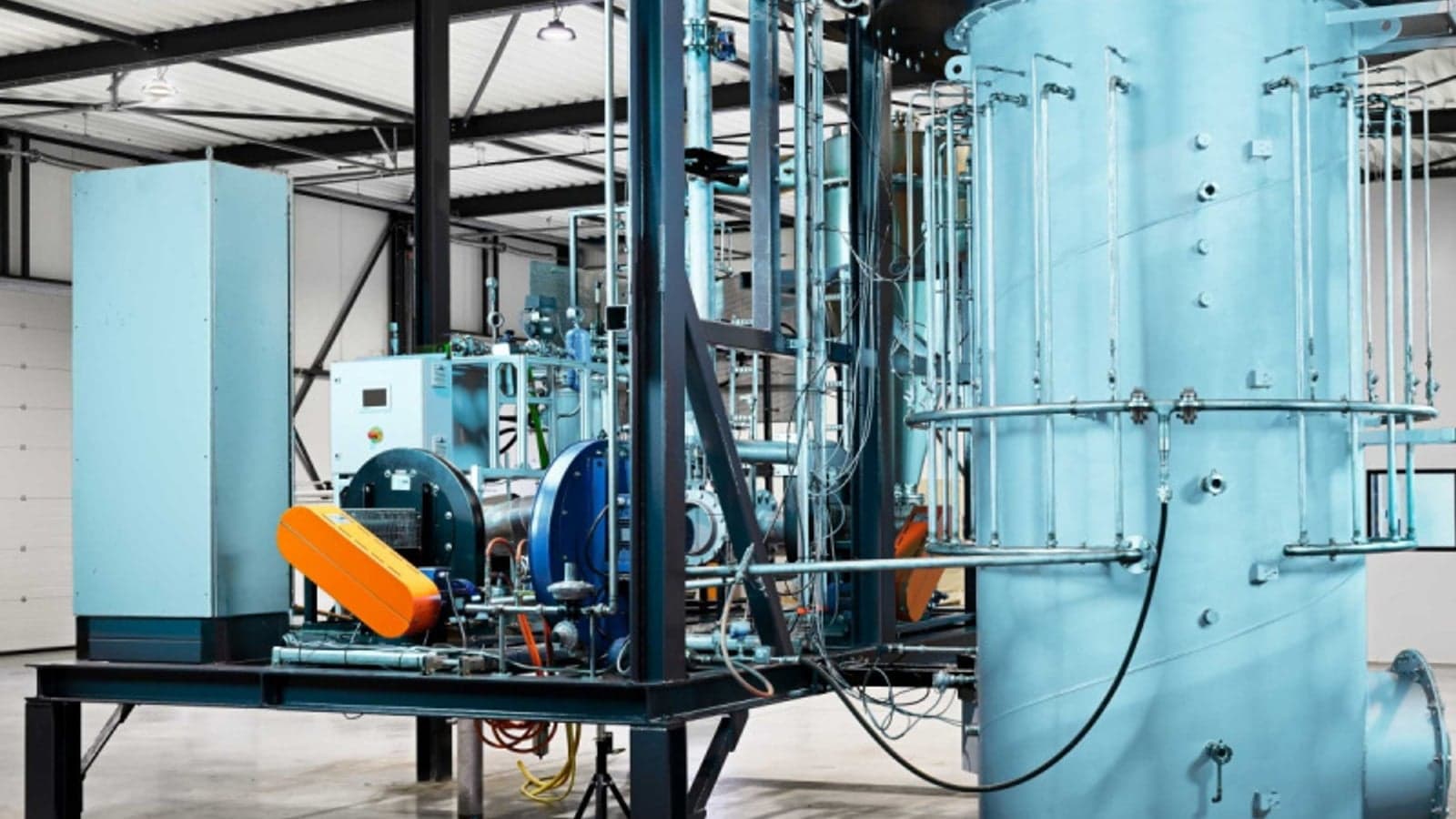
Finnish tech company Coolbrook has partnered with metals solutions firm Tenova to scale adoption of Coolbrook’s proprietary RotoDynamic Heater technology.
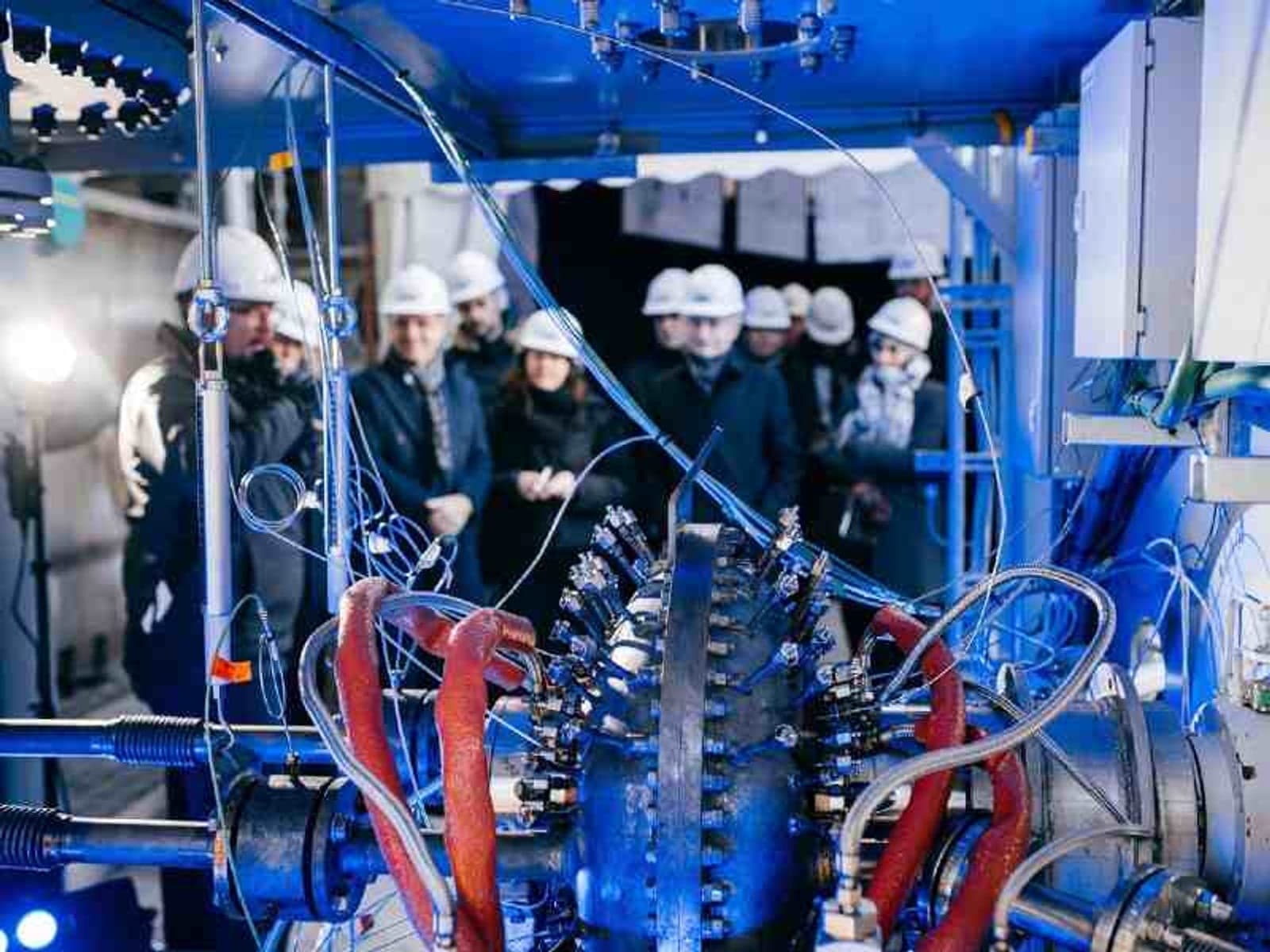
Finnish technology company Coolbrook has partnered with mining and metals solutions firm Tenova to scale adoption of Coolbrook’s proprietary RotoDynamic Heater (RDH) technology.
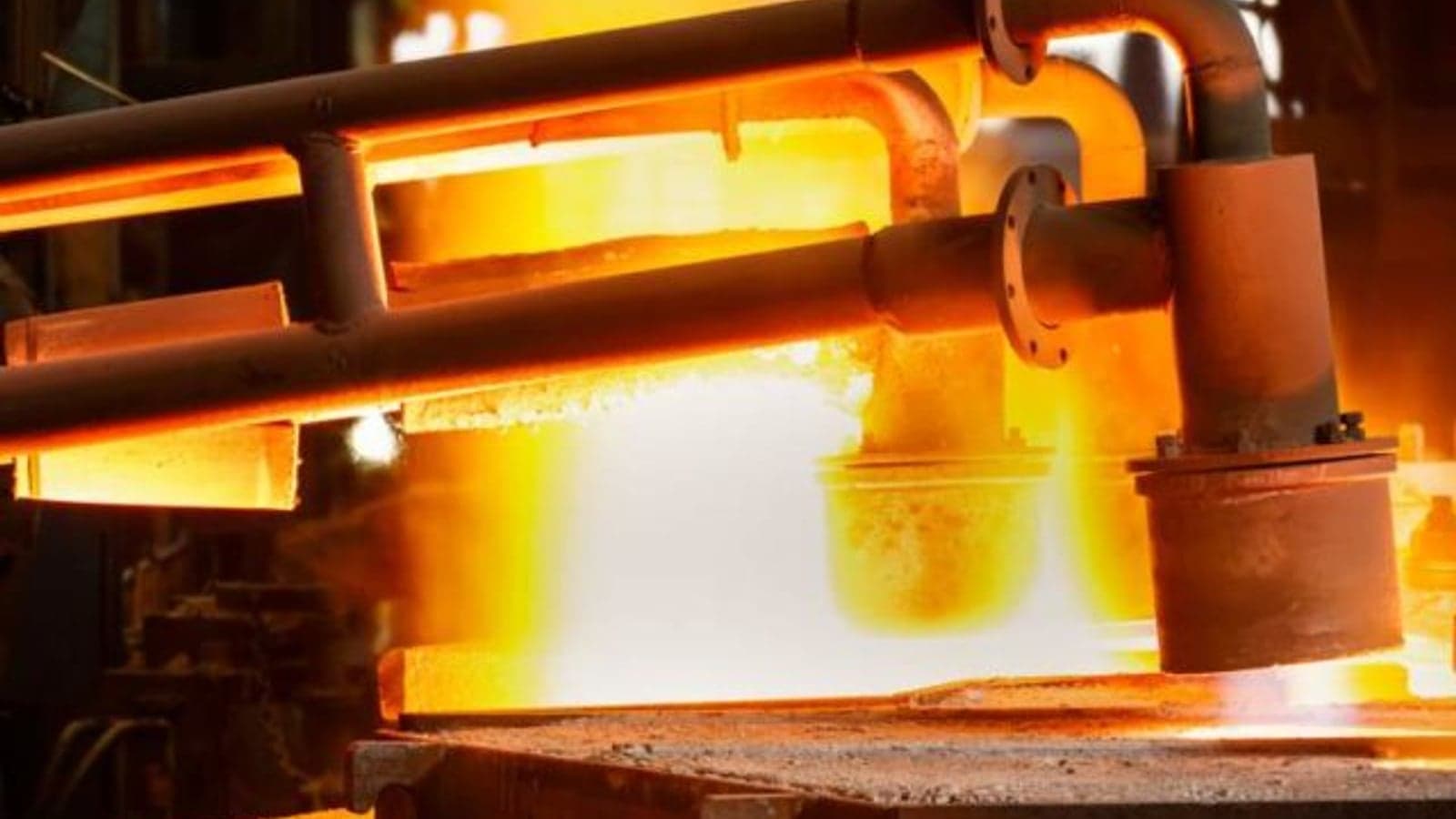
The partners aim to use this technology to replace the burning of fossil fuels with electricity in high-temperature heating processes in the iron, steel, and broader metals industries.
Initially, Coolbrook's RDH technology will be integrated with Tenova's proprietary technology for acid regeneration plants. This will later be expanded to include other applications across the metals industry.
According to the partners, Coolbrook’s technology and Tenova’s expertise are complementary and will aid electrification and decarbonisation of numerous processes in iron, steel, and other metals production.
Have you read?
newcleo in deal to green Italian steel production
Rio Tinto and Hydro evaluate carbon capture for aluminium smelters
Antonio Catalano, EVP for the Downstream BU at Tenova, commented on the partnership: “Our collaboration with Coolbrook marks a key milestone in decarbonising high-temperature industrial processes...By replacing fossil fuels with renewable electricity, we can dramatically reduce CO₂ emissions but also achieve a significant step in process efficiency - making production cleaner, faster, and more cost-effective. This is a powerful example of how technological innovation can accelerate both sustainability and operational excellence in our industry.”
Joonas Rauramo, CEO of Coolbrook, added: “Our partnership with Tenova is a significant step in advancing industrial electrification and accelerating the transition to clean energy. By integrating our RDH technology with Tenova’s innovative solutions, we can develop joint offerings to decarbonise highly challenging applications that have previously been impossible to electrify."
Rauramo highlighted the importance of achieving greater outcomes through partnerships, stating that they are positioned to "deliver broader, more sophisticated solutions to our customers than either company could achieve independently."
Coolbrook describes its RDH solution as potentially revolutionary when deployed at scale, able to potentially "cut over 2.4 billion tons of CO₂ emissions annually..."
The company confirms that large-scale pilot tests have proven heat-generating capabilities beyond 1000°C, with the technology reaching up to 1700°C, necessary for decarbonising high-temperature industrial processes.
The original innovation behind Coolbrook’s rotodynamic machinery was conceptualised by a group of rocket scientists who were working on avoiding coking problems in steam cracking plants in petrochemicals.
They came up with the idea of a rotating device for generation, which has subsequently been developed into turbomachinery that can heat various types of gases and provide heat in multiple use cases, above 700°C and 5-10MW and going all the way to 1700°C and 10’s or even hundreds of MW’s.
The team is currently working with partners to gain insights into industry requirements and developing stepwise investment options to reduce the initial capital outlay for industrials.
Related tags
Latest content
+2
Technology Trending: Li-S batteries, iron fuel, Greenland rock flour
Lithium-sulphur batteries with enhanced performance, iron as a fuel for use on Earth and on the Moon and Greenland rock flour as a potential carbon capture medium are in the week’s technology radar.
- Jonathan Spencer Jones
- 05/06/2023