Rio Tinto and Hydro evaluate carbon capture for aluminium smelters
Pamela Largue
Posted on: 31 January 2025
The partners expect to invest $45 million over five years| with the goal to improve offerings of commercially viable carbon capture technologies.
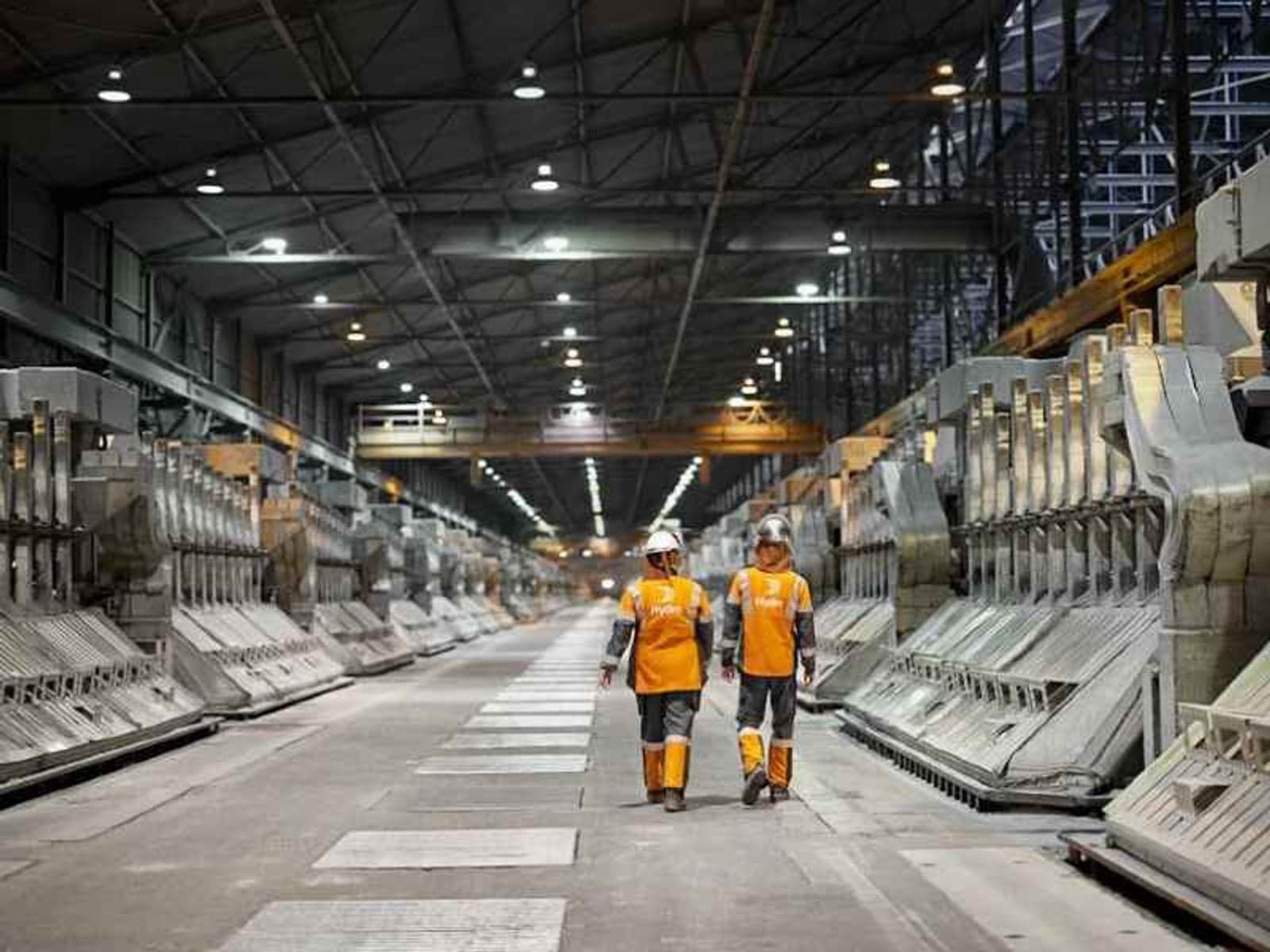
Mining giant Rio Tinto and aluminium and renewables company Hydro have announced plans to work together to evaluate carbon capture technologies suitable in the aluminium electrolysis process.
Under the agreement, the companies will share information, results and costs covering specific R&D activities from lab tests with external suppliers to larger, on-site pilots. Most of the work will be conducted at Rio Tinto’s facilities in Europe and Hydro’s facilities in Norway.
The partners expect to invest $45 million over five years, with the goal to improve offerings of commercially viable carbon capture technologies from relevant suppliers.
Rio Tinto chief executive Jakob Stausholm said: “By working in partnership with Hydro to assess certain carbon capture technologies for aluminium smelters, we are finding better ways to leverage our complementary networks and R&D capabilities to address the climate change challenge.”
Have you read?
Industrial decarbonisation to grow hydrogen economy shows report
Cement produced in fully electrified and fossil-free rotary kiln
According to Rio Tinto, anode consumption during the electrolysis process accounts for approximately three quarters of a smelter’s direct CO2 emissions.
For several years, scientists from the two companies have been exploring different carbon capture technologies to aid their decarbonisation efforts, in addition to the development and scaling up of carbon-free aluminium smelting technologies such as Hydro’s HalZero technology and Rio Tinto’s participation in the ELYSIS joint venture.
Hydro President and CEO Eivind Kallevik said: “Carbon capture technologies are critical to decarbonising existing smelters, and our partnership with Rio Tinto will amplify efforts to develop fit-for-purpose solutions that can accelerate the aluminium industry’s transition towards net-zero production.”
Also of interest: How carbon capture tech can boost Europe’s industrial competitiveness
Capturing carbon from aluminium smelter flue gas, with CO2 concentrations around 1% (vol.), requires adapting direct air capture technologies for higher concentrations or point source technologies for lower concentrations.
Current technology readiness level is low, states Rio Tinto in a release, and requires significant development efforts to mature from laboratory to commercial scale. The collaboration between Rio Tinto and Hydro aims to speed up this development process to abate greenhouse gas emissions from smelters.