Davos - Global leaders balance solutions to energy and climate crises
Pamela Largue
Posted on: 25 May 2022
A fine balancing act is needed to overcome the concurrent issues of Russian aggression in Ukraine, the energy crisis, and the need to avoid the path to 1.5 degrees.
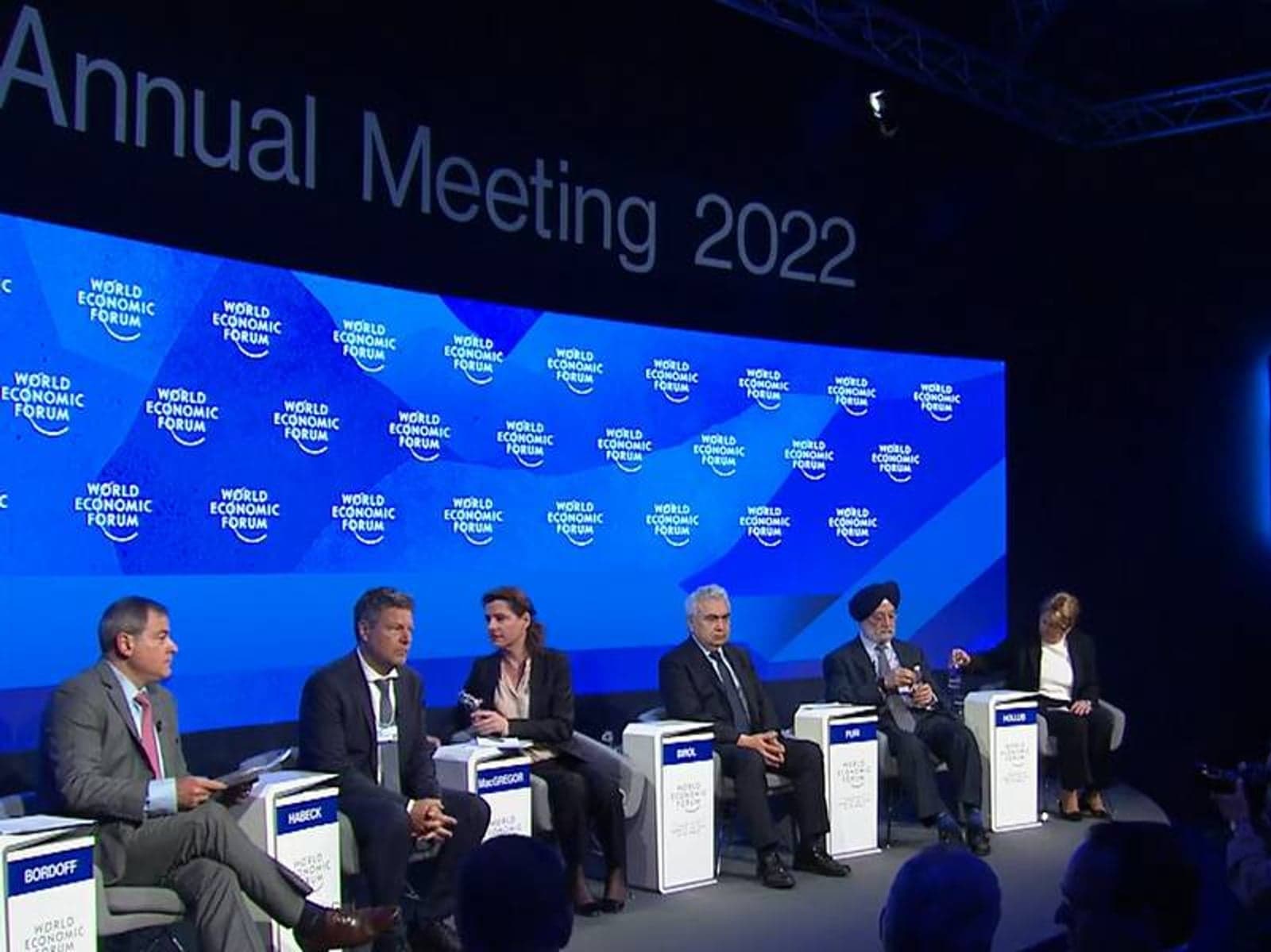
"If the world needed any reminder that energy geopolitics is not only alive and well and inextricably linked to whether we can accelerate climate action, it has been world events of just the last few months," said Jason Bordoff, Co-Founding Dean of the Columbia Climate School, director of the Center on Global Energy Policy at Columbia University.
Bordoff was speaking during a session at the World Economic Forum taking place in Davos, Switzerland this week, a session that highlighted the fine balancing act needed to overcome the concurrent issues of Russian aggression in Ukraine, the energy crisis, and the need to avoid the path to 1.5 degrees.
The questions posed concerned how governments, civil society, and businesses can respond to rising inflation, food shortages and an urgent need for energy security.
All panellists agreed that these crises cannot be addressed in silos, but need to be tackled simultaneously with strategies that ensure a clean, affordable supply of energy.
Diversifying supply
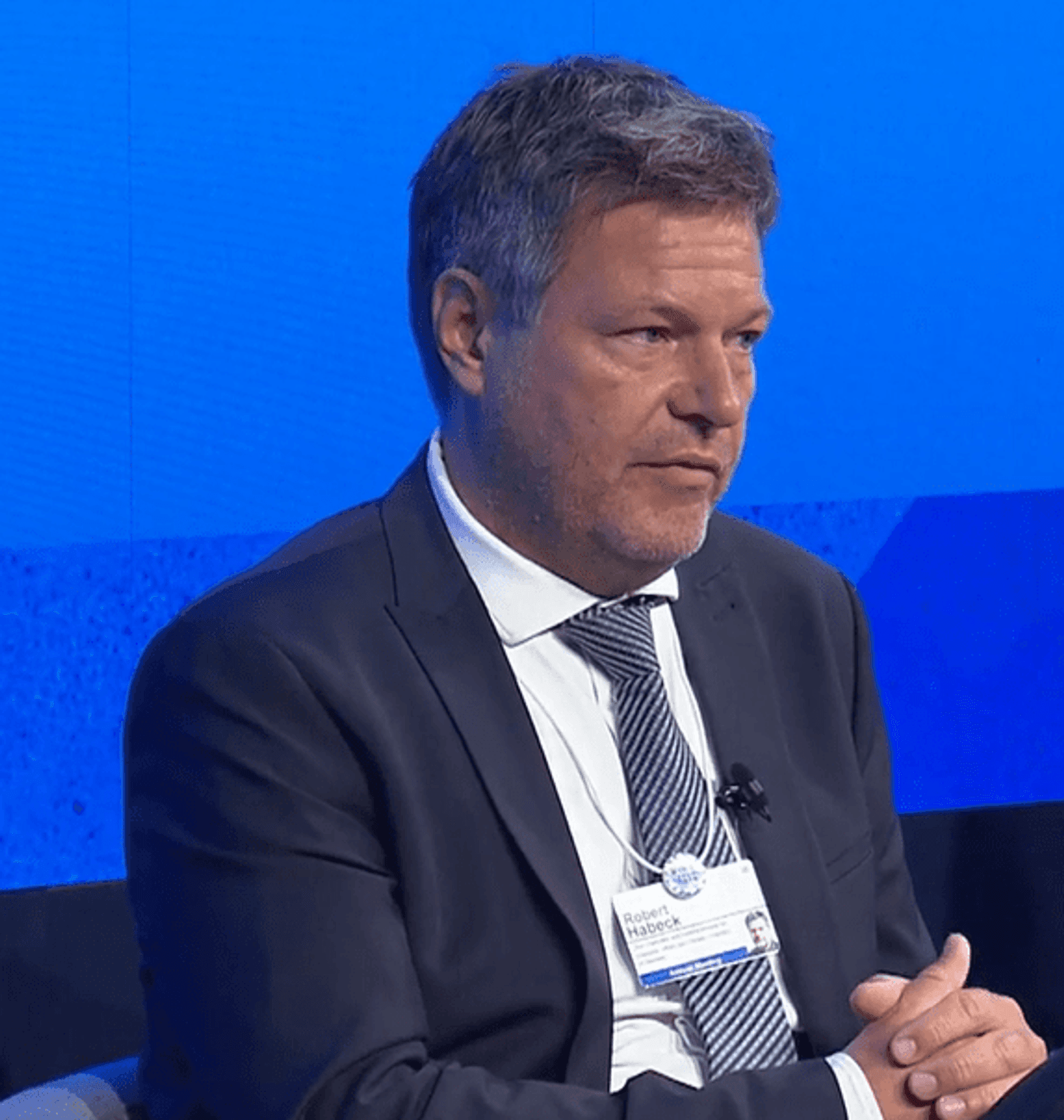
Robert Habeck, vice chancellor and federal minister for economic affairs and climate action for Germany, opened the session by referring to the actions Germany is taking to reduce dependence on Russian gas while accelerating the path to climate goals.
Said Habeck: "Germany is trying to diversify its fossil imports from Russia, and we do it with construction at lightning speed. What would normally take a decade, it's now done in months, so we are improving our ability to get things done..."
Germany, in the short term, is building up LNG infrastructure and identifying new supplies of oil and gas. In the long term, legislative measures are being implemented to increase renewables installation.
Habeck voiced concerns that the current crises, including food shortages, inflation and energy poverty, could have dire consequences: "We can't solve it if we focus on only one of them. If none of these problems is solved, I am afraid that we are running into a global recession, with a tremendous effect, not only a climate crisis but a crisis of global stability".
Habeck recommended open, unrestricted global markets, and a change in market rules to support cooperation in an effort to address the energy and climate crisis at the same time.
Have you read?
REPowerEU mobilises €300bn to end Russian gas dependence
Iberdrola chief reveals multi-billion plan to seize market share of oil & gas firms
Energy Transitions Podcast: Extreme volatility in power and gas markets
European solidarity
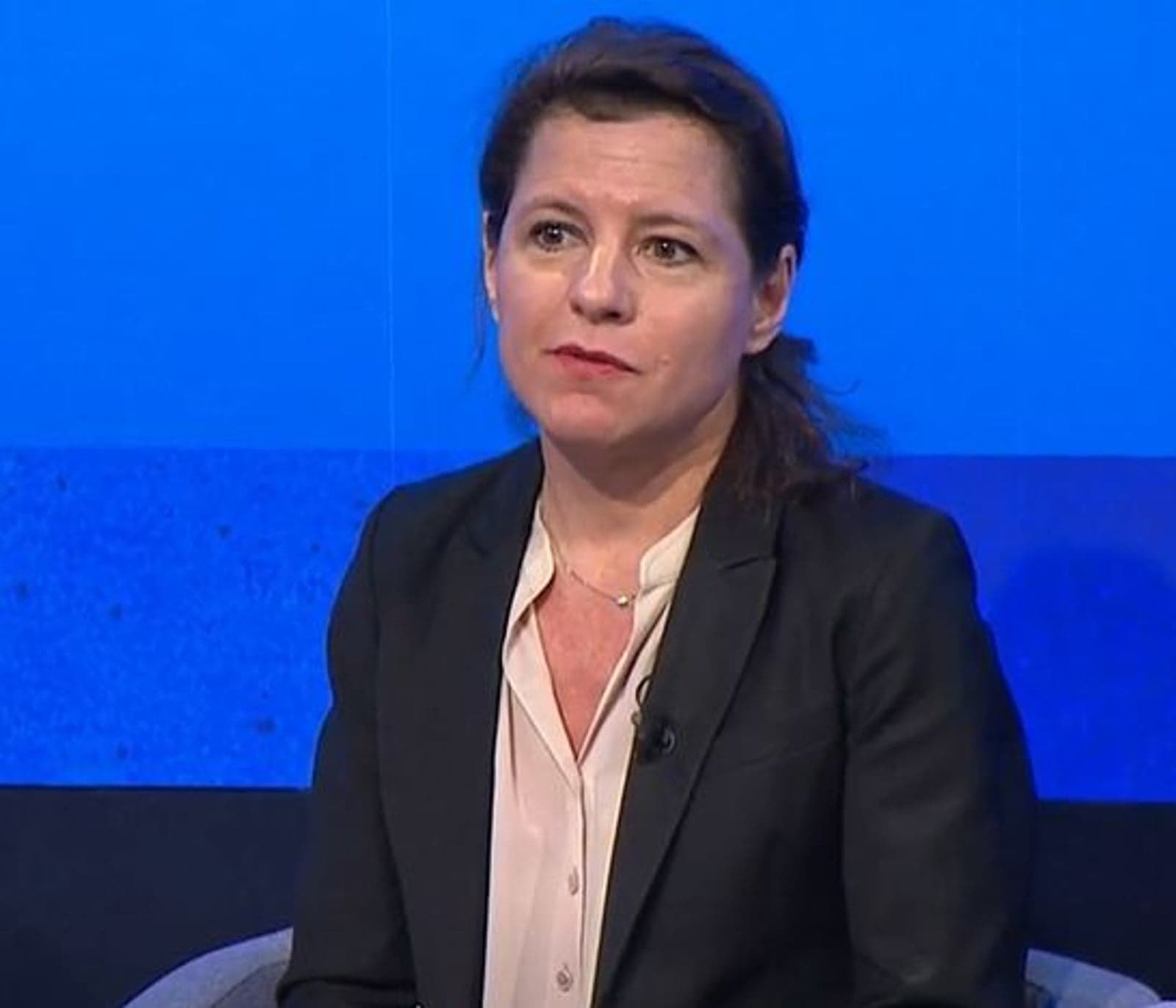
Catherine MacGregor, CEO of Engie group, emphasised the need to diversify supply and leverage the strengths of our European solidarity and infrastructure. "We must strengthen the infrastructure and reinforce the market design to support risk-sharing between countries to ensure Europe remains strong. We also need to accelerate the energy transition. Renewable energy will reinforce European energy independence because it's produced locally," said MacGregor.
MacGregor added that she hopes the current energy crisis will drive acceptance of renewables, especially in Western Europe where there has been some pushback.
Avoid locked in fossil fuel assets
Fatih Birol, executive director of the International Energy Agency, emphasised that countries must avoid hasty decisions now that they might regret later. "I agree that the immediate response should include more oil and gas but I prefer that our immediate response does not lock in fossil fuel infrastructure for years to come...
"Russia can't be used as an excuse for large-scale fossil investments... [Fossil fuel assets] might be idle assets in the future - it's a climate and business risk..."
Hardeep Singh Puri, minister of petroleum and natural gas for India concurred with Birol, however, also emphasised that while fossil fuels aren't the answer, governments have a responsibility to protect their people against energy poverty. "If the global crisis has taught us anything, it's that we need to accelerate the transition while avoiding energy poverty," said the minister.
The panellists made it clear that the crises facing the world need to be addressed urgently and simultaneously. However, what was also made abundantly clear is that the path to mitigating these challenges is a narrow one, a path that ensures that the welfare of people remains at the centre of the global response.