Drone installation of bird protection markers piloted by TenneT
Jonathan Spencer Jones
Posted on: 24 January 2024
TenneT has piloted the use of drones to hang wire markers for birds on a 150kV high voltage line in the Wageningen area in central Netherlands.
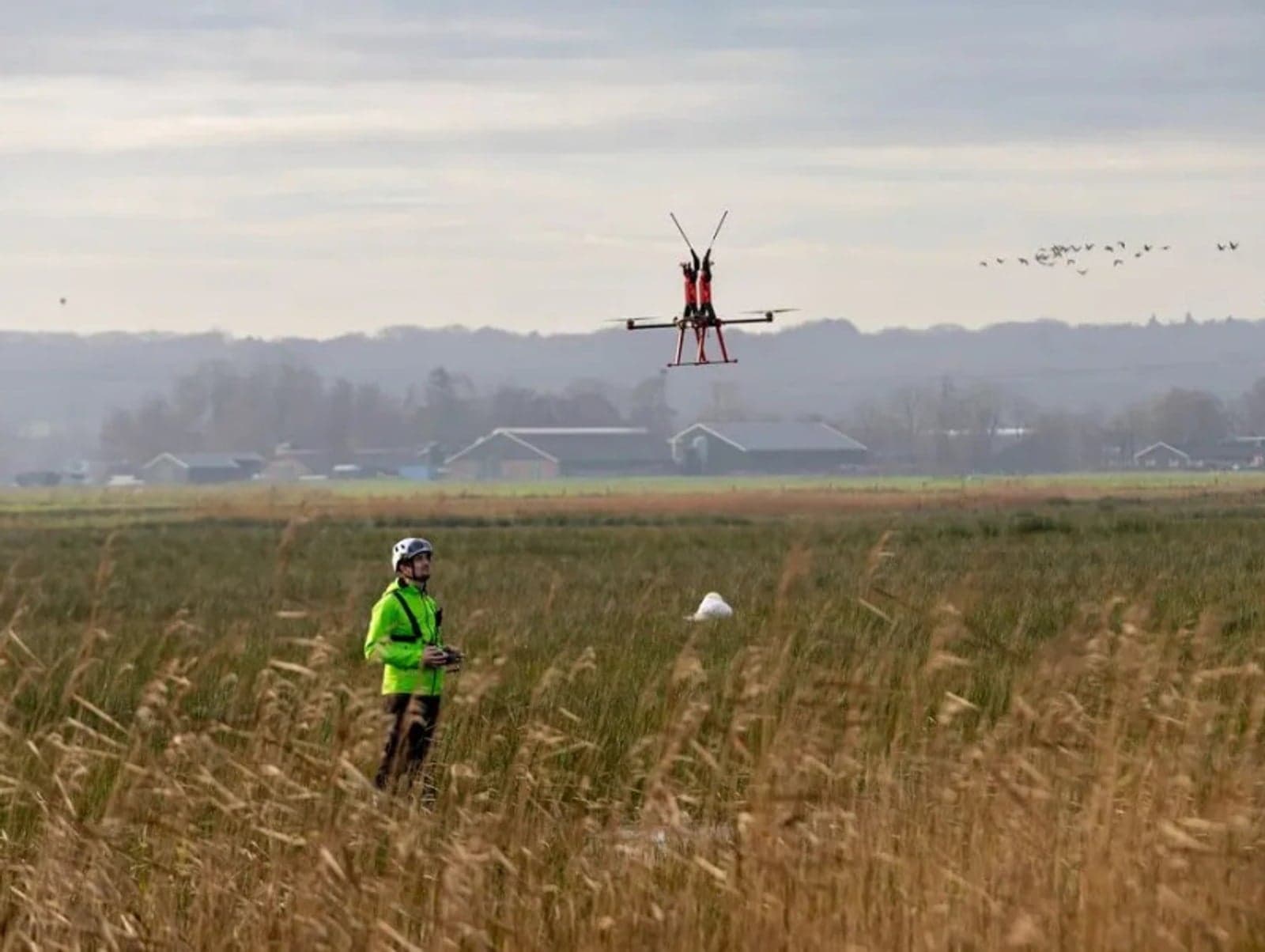
TenneT has piloted the use of a drone to hang wire markers for birds on a 150kV high voltage line in the Wageningen area in central Netherlands.
Instead of the traditional approach of using helicopters or cranes and climbers, with their associated cost and/or access issues, the use of a drone is expected to be both more environmentally friendly and cost-efficient for this process of bird protection.
The pilot also adopted the use of the Firefly markers that can be attached with a clamp to the lightning conductors in the high voltage line – different to those that TenneT already uses but with similar effectiveness of about 90% fewer wire casualties as the drones are not yet able to apply other types such as pig curls or bird flaps.
Have you read?
Novel drone tech to inspect offshore wind turbines while spinning
GE’s Claudia Blanco talks reshaping the industry through tech and leadership
TenneT ecologist Jac Hakkens explains that the connection near Wageningen – where a 2km section of line was selected between Dodewaard and Ede – had been identified by the birding association Sovon Vogelonderzoek Nederland as a location with the highest risk of wire casualties in the Netherlands.
“We are now evaluating this new method with the drones. If the results prove positive, we can start using this type of wire marking on other compounds as well.”
The pilot was carried out under the supervision of contractor Qirion, with the Slovak drone company FiiHaa undertaking the work
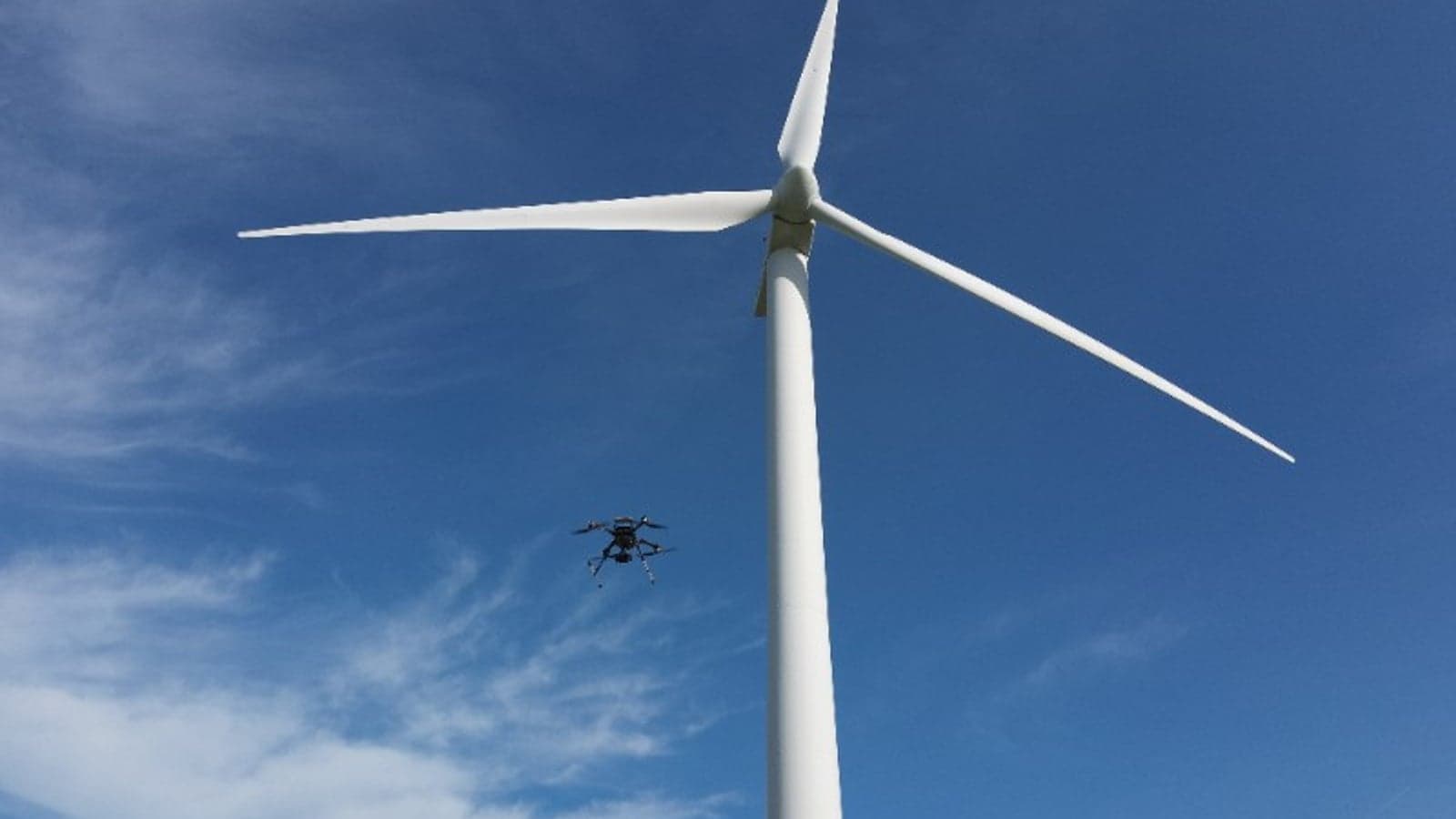
FiiHaa has developed its BDC-X8 drone specifically for the installation of bird markers on HV wires, which can be done live without the need for decommissioning as is necessary for normal installations, which are typically done during a maintenance or modification session.
TenneT reports being committed to limiting damage at the population level of birds by applying the most effective measures at the right locations – these having been determined by comparing the location of the HV grid with the distribution of bird flight movements.
In particular, birds in flights have limited forward visibility and may fail to see the lightning wire.
Latest in Digitalisation
All articlesMembers only content
+3
Cybersecurity and digital infrastructure resilience for a complex grid
Cybersecurity is considered the second most significant threat facing the energy sector after geopolitical issues including conflicts, trade wars and access to critical minerals.
- Enlit Editorial Team
- 03/06/2026