Clean hydrogen can plug the gaps in a decarbonised energy system
Guest/partner contributor
Posted on: 3 June 2026
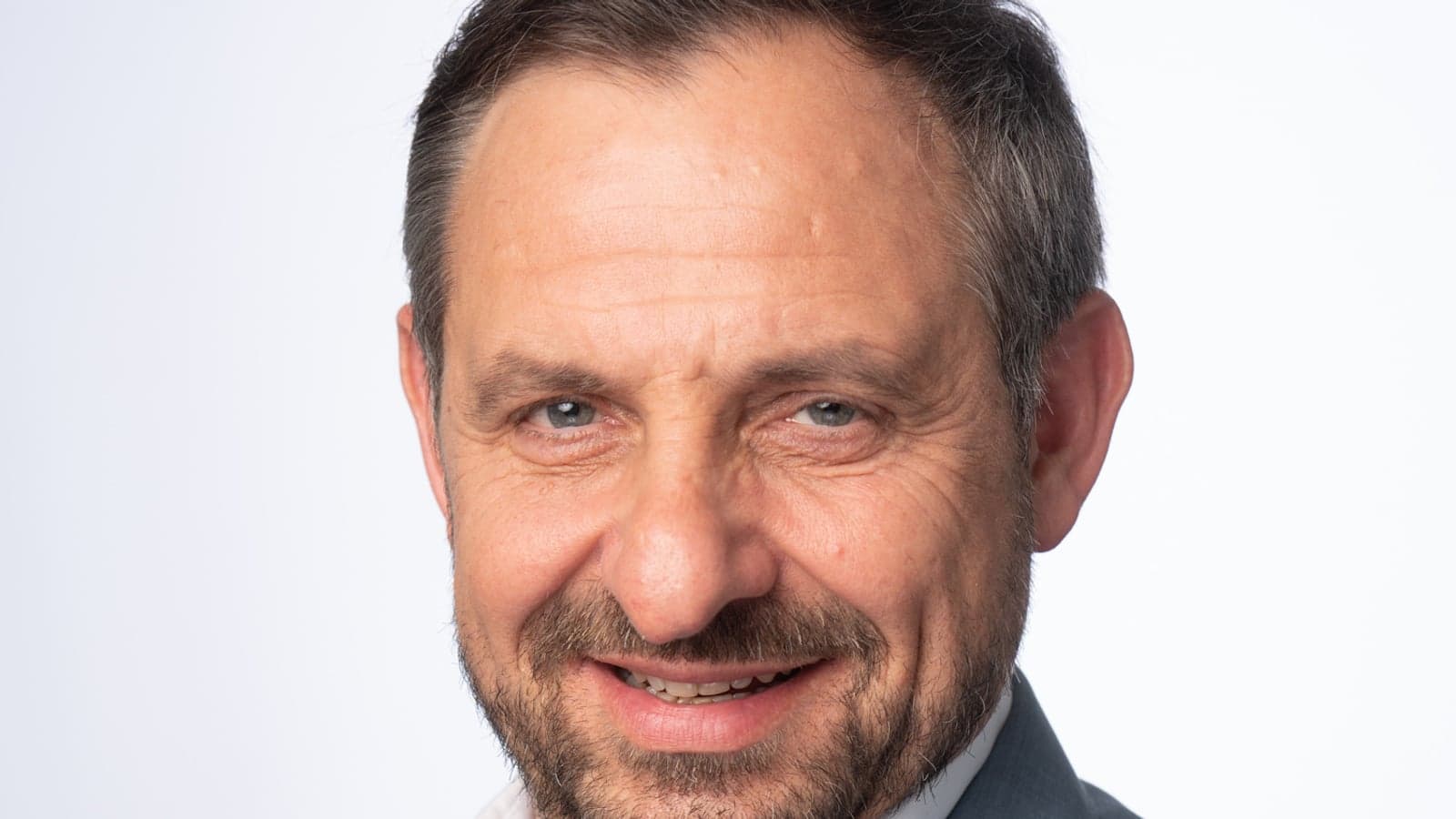
A thriving clean hydrogen sector will offer much-needed solutions in the net zero energy system of the very near future, writes Jorgo Chatzimarkakis, CEO, Hydrogen Europe.

As renewable generation scales rapidly across Europe, policymakers are increasingly confronting a parallel challenge: how to store variable, intermittent energy over long periods, how to decarbonise industries that cannot simply plug into the grid, and how to meet the ever-increasing power demands of the digital economy.
In each of these areas, a thriving clean hydrogen sector can play its role to help achieve a sustainable, circular and energy-sovereign economy.
Storage and flexibility
One of the defining characteristics of renewable energy is variability. Wind and solar generation fluctuate with weather conditions and seasons, creating increasing pressure on electricity systems to balance supply and demand. Batteries will play an important role in short duration storage, but they are not designed to provide energy security over weeks or months. This is where hydrogen becomes indispensable.
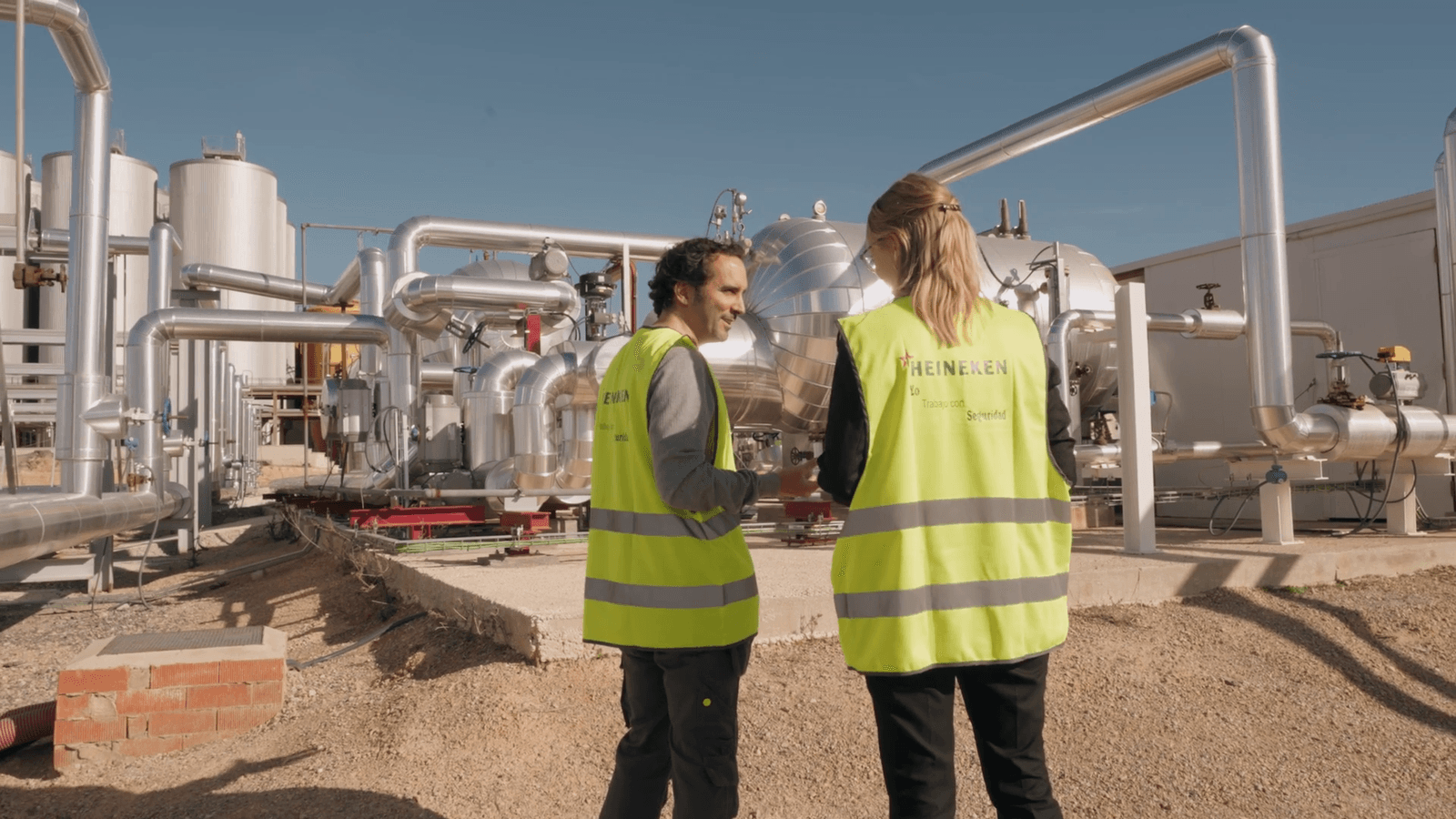
Clean hydrogen can act as a long duration energy storage solution by converting surplus renewable electricity into a molecule that can be stored and transported at scale. During periods of excess wind or solar generation, electrolysers can produce hydrogen that is then stored in underground caverns, pipelines or dedicated storage facilities. When energy demand rises or renewable output falls, that hydrogen can be converted back into electricity or used directly in industrial applications.
This flexibility is particularly valuable for Europe, as we seek to transition away from our fossil fuel dependencies.
Hydrogen can reduce curtailment of renewable power, improve grid stability and provide strategic reserves during periods of energy stress. It also offers cross-border flexibility, allowing member states with abundant renewable resources to export hydrogen to regions with greater industrial demand.
Decarbonising hard-to-abate sectors
Hydrogen’s greatest contribution may ultimately come in sectors where direct electrification is technically difficult or economically impractical. Heavy industry, shipping, aviation, chemicals and parts of heavy transport all require high energy density fuels or high temperature heat that electricity alone cannot efficiently provide.
Steel production is one of the clearest examples. Today, much of Europe’s steel industry relies on coal-based blast furnaces, making it one of the continent’s most carbon intensive industrial sectors. Clean hydrogen offers a pathway to replace coal in direct reduced iron processes, enabling near zero emissions steelmaking while preserving industrial competitiveness.
Similarly, sectors such as fertilisers and chemicals already use hydrogen as a feedstock, but much of it is currently produced from unabated natural gas. Replacing grey hydrogen with renewable or low carbon alternatives can deliver immediate emissions reductions without fundamentally redesigning industrial processes.
In maritime transport and aviation, hydrogen derived fuels such as ammonia, methanol and synthetic e-fuels are likely to become essential for decarbonisation. Batteries are unlikely to power long-haul ships or aircraft at commercial scale in the foreseeable future. Hydrogen-based fuels therefore represent one of the few viable pathways to reducing emissions in these sectors while maintaining operational flexibility and global connectivity.
Powering the rise of data centres
Another emerging challenge for Europe’s energy system is the extraordinary growth in electricity demand from data centres. The rapid expansion of AI, cloud computing and digital infrastructure is creating significant new power requirements across the continent. Large-scale data centres require not only enormous amounts of electricity, but also highly reliable, continuous power supply.
Hydrogen can support this growing demand in several ways. Fuel cells powered by clean hydrogen can provide backup generation for critical digital infrastructure, replacing diesel generators that are still widely used today. Over time, hydrogen could also support off-grid or hybrid energy systems for hyperscale data centres, particularly in areas where grid capacity is constrained.
As Europe seeks to become both a digital and climate leader, integrating clean hydrogen into data centre energy strategies could help reconcile rising electricity demand with decarbonisation objectives. It also creates opportunities for synergies between renewable generation, hydrogen production, and digital infrastructure investment.
This intersection between hydrogen and data infrastructure is likely to become increasingly important over the next decade. As AI-driven demand accelerates, Europe will need every available clean flexibility solution to maintain grid reliability and prevent bottlenecks.
Conclusion
Europe’s hydrogen sector has developed more slowly than expected, due to a combination of high production costs, regulatory fragmentation and uncertainty, slow permitting and insufficient infrastructure.
Yet these growing pains should not obscure hydrogen’s long-term strategic importance. Every major net zero pathway still points to a substantial role for clean hydrogen in achieving genuine decarbonisation. EU policymakers should therefore resist the temptation to scale back ambition in response to short-term difficulties.
Building a clean hydrogen economy was never going to happen overnight. But if Europe maintains regulatory clarity, supports infrastructure development and continues fostering demand, hydrogen will become an essential tool in delivering a competitive, autonomous, and climate-neutral energy system.
This opinion editorial is produced in co-operation with the European Sustainable Energy Week 2026 (EUSEW).
Recommended links
- Hydrogen-powered data centres: securing reliable and sustainable energy.
- Hydrogen infrastructure: the recipe for a hydrogen grid plan.
- Hydrogen for an energy resilient Europe.
About the author
Jorgo Chatzimarkakis has been working at Hydrogen Europe since 2016 and currently holds the position of CEO. He previously covered roles in the Foreign Office of Germany, at Infineon Technologies and was Member of the European Parliament (2004-2014). He was awarded Hydrogen Person of the Year at the World Hydrogen Awards 2022. Hydrogen Europe is an EUSEW partner organisation.