DTEK’s recovery management chief appeals for generators after missile attacks
Pamela Largue
Posted on: 16 January 2026
The Ukrainian energy company has issued a call for as many mobile diesel generators as possible.
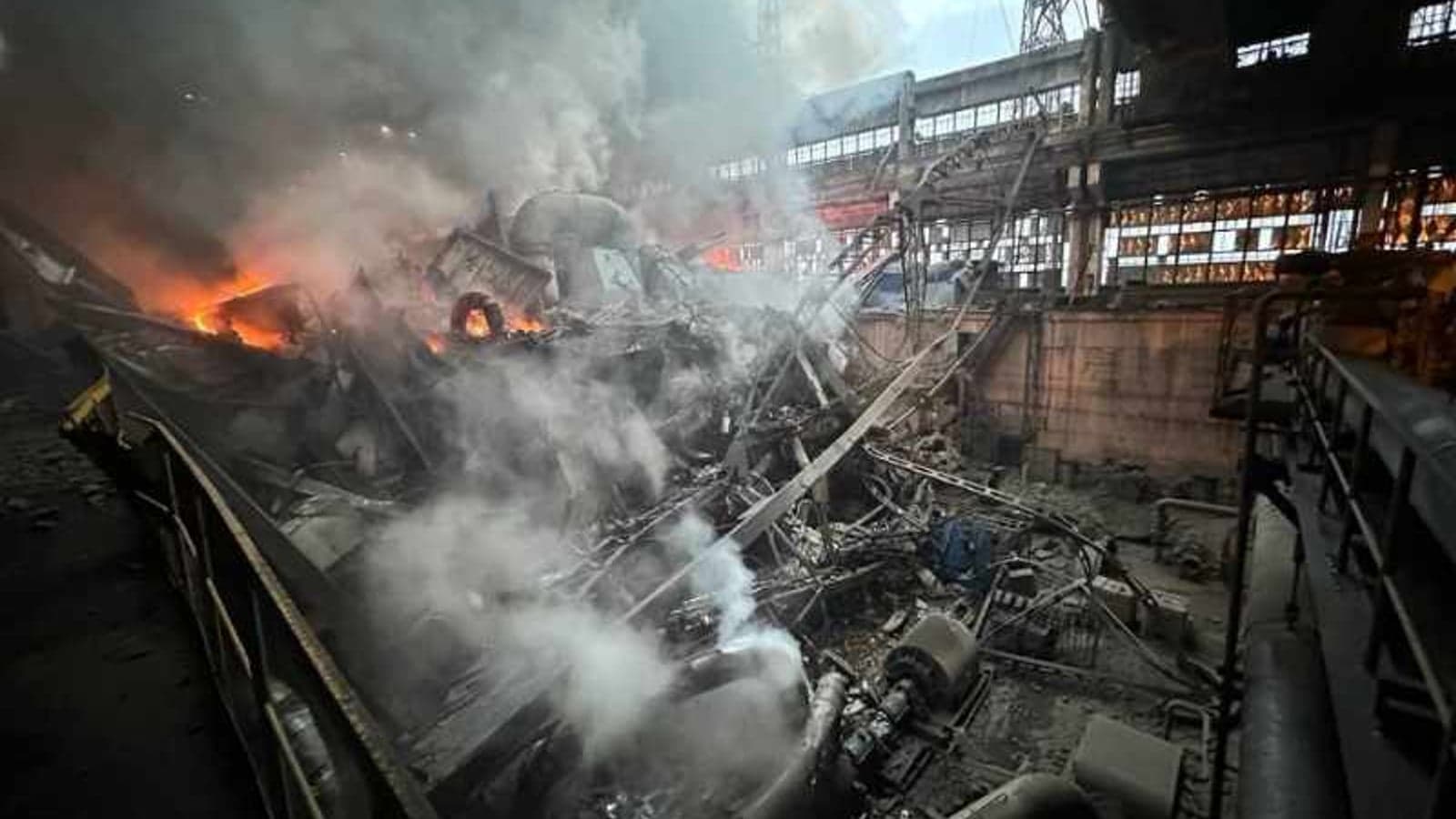
DTEK Group has formed an official task force to secure as many diesel generators as possible after a Russian missile strike on a thermal power plant left large parts of Kyiv without electricity and heat.
DTEK is urgently appealing to politicians and both the public and private sectors to provide mobile diesel generators of around 1MW+ capacity.
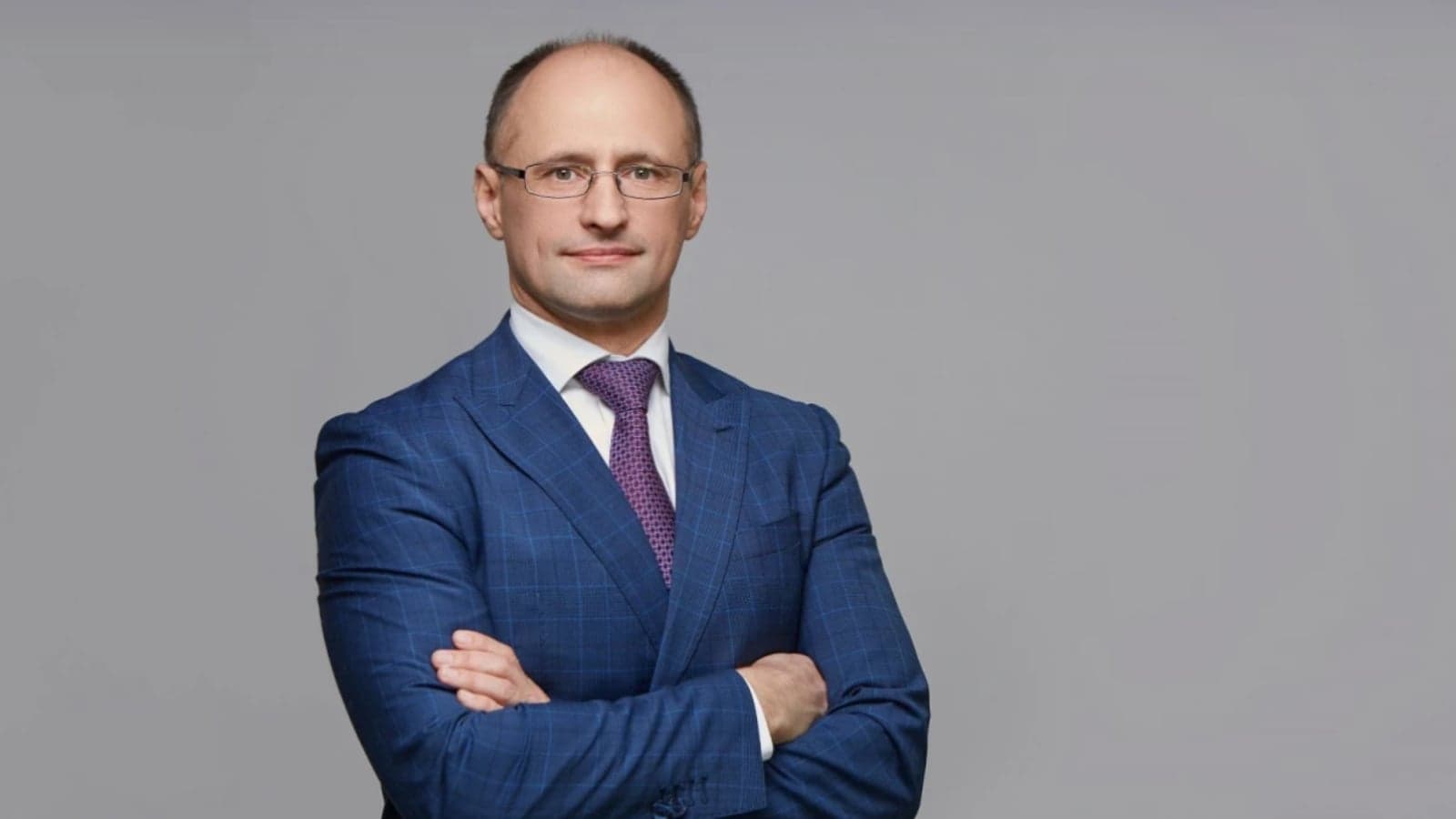
“The situation is critical. We need this now to survive,” said Oleksiy Povolotsky, Head of Recovery Office at DTEK, in an interview with Enlit, noting that night-time temperatures are dropping to minus 20°C.
The strike on the plant that can’t be named for security reasons, occurred on 8,9 and 13 January and marked the nineth large-scale attack on the company’s generation facilities since October 2025.
“Russians successfully and unfortunately damaged our thermal power plants in Kyiv. They also hit different substations of our DSO operator leading to huge supply shortages,” said Povolotsky.
Have you read?
A mission to place women at the heart of Ukraine's solar future
DTEK energises 200MW battery facility in Ukraine
Teams from state TSO Ukrenergo moved quickly to restore power and heating, but some areas remain without supply, forcing residents to endure extreme cold or rely on neighbours and emergency centres offering warm meals and shelter.
Povolotsky explained that the attacks deliberately target key infrastructure such as turbine generators and auxiliary transformers to maximise damage.
“If a turbine is hit, the building is usually hit as well,” he said, adding that debris must be cleared before repairs can even begin. Damage to buildings also exposes equipment to freezing temperatures, rendering many components inoperable.
Repairs are further complicated by the age of the plants, many of which date back to the Soviet era, making spare parts hard to source. As a result, Povolotsky is calling on Eastern European countries to donate equipment to speed up restoration efforts.
He also stressed the urgent need for air defence systems to protect energy infrastructure and reduce the human and financial cost of repeated repairs.
Povolotsky explained that at the beginning of the war, attacks on power plants would include one or two missiles.
“Now they send dozens of missiles and 50 drones in a combined attack. Our air defence systems are overloaded.”
As outages persist, many Kyiv residents are leaving the city for villages with off-grid heat and power solutions.
And there are fears of further attacks, said Povolotsky, which means time is running out.
Since October, three power plant workers have been injured. Since February 2022, DTEK’s thermal plants have endured more than 220 strikes, which injured 62 workers and killed five.
Povolotsky has nothing but praise for those on the front lines of restoration efforts: “These people are like heroes.”
He also thanked international donors and supporters for their support thus far. However, efforts need to be ongoing, he warned.
“Ukraine is facing the most serious and desperate situation in Europe right now,” and urged Europeans to help in this moment of dire need.
“We need many generators, so we are asking if companies can help if they have stock. Any stock they can donate or sell, that would be great.”