Elia chief says energy transition is 'about anchoring industry in Europe'
Jonathan Spencer Jones
Posted on: 16 March 2023
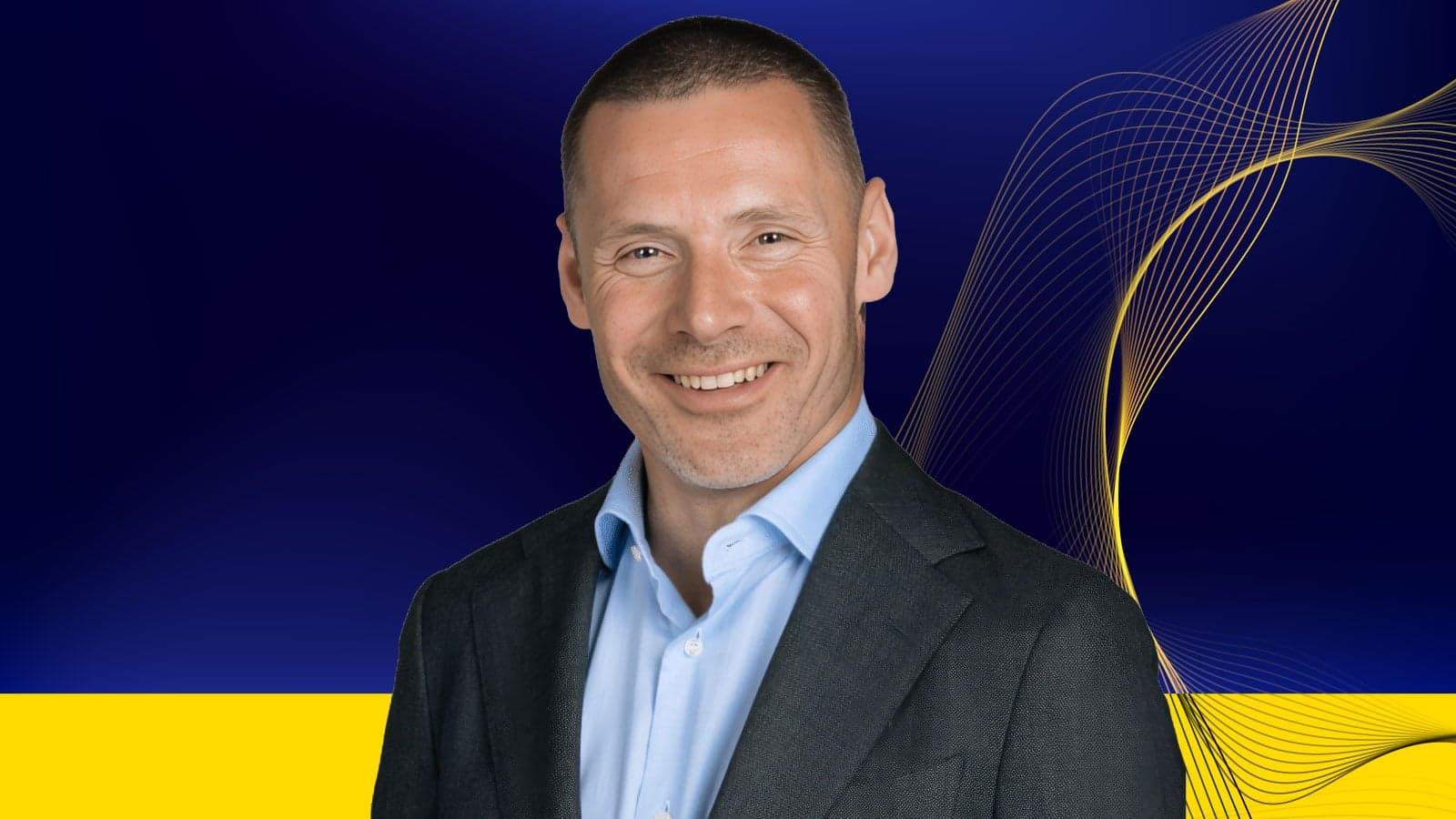
The political and industrial will is growing and renewables are now cheap enough so the pace of transformation is moving forward faster, says Elia Group CEO Chris Peeters.
The political and industrial will is growing and renewables are now cheap enough so the pace of transformation is moving forward faster, says Elia Group chief executive Chris Peeters.
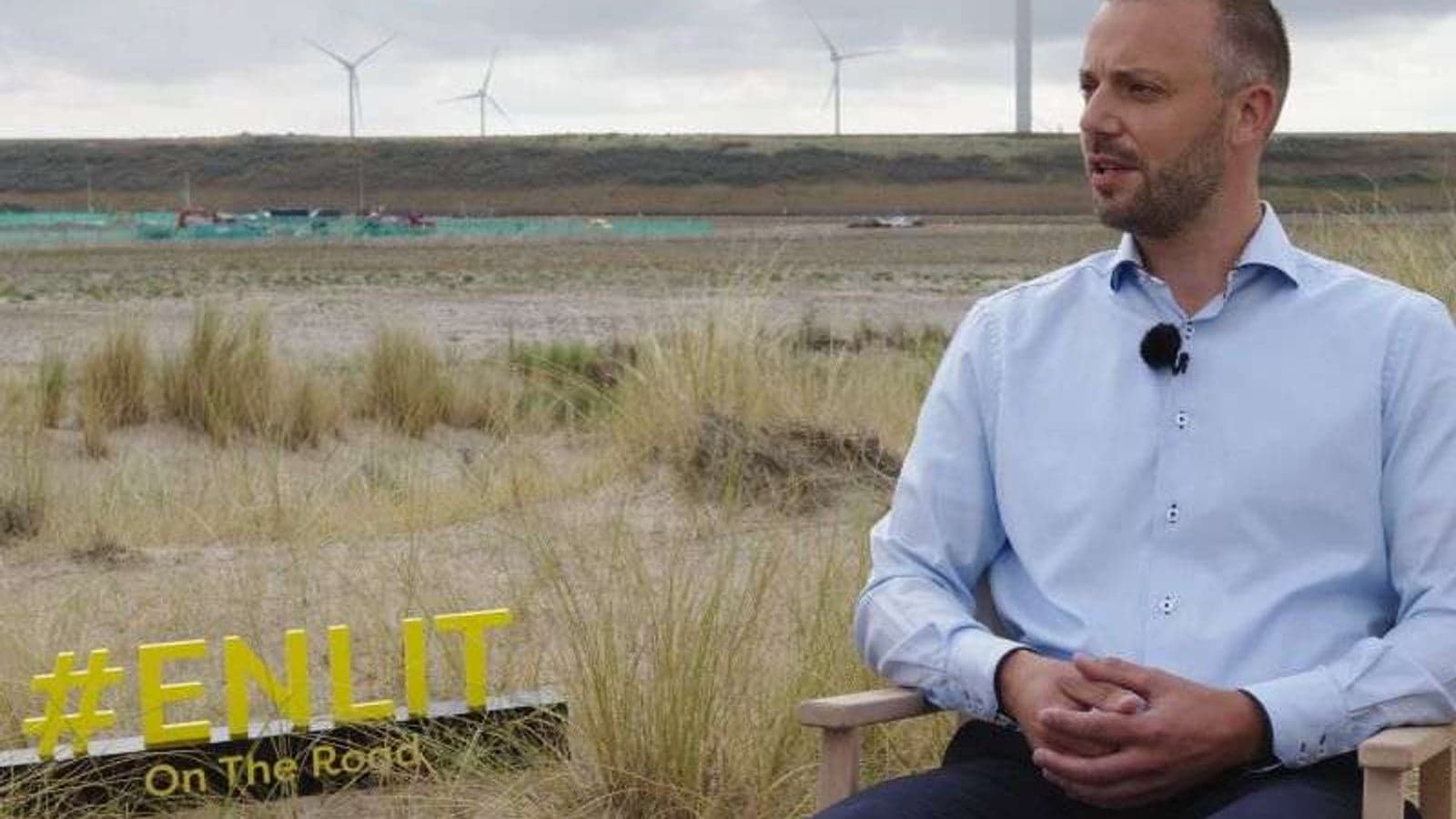
Speaking in a Connect interview at Enlit Europe, Peeters said that while the REPowerEU targets are quite far off for many, the conflict in Ukraine has created a sense of urgency among stakeholders to reduce the reliance on Russian gas.
“And what is the best way to do that? Accelerate the energy transition.”
Peeters said that along with the increasing ambitions of Europe’s energy legislation – successively Fit for 55 then the Green Deal and REPowerEU – the political will to enable the targets to be met has grown.
As an example, he cited permitting processes, a key constraint in project delivery, for subsidiary 50Hertz in Germany having been made much smoother than previously and the desire to make similar progress in Belgium.
Coupled with that industry also has started to accelerate and drive its own energy transition with active participation with the energy sector, rather than the passive recipient approach of previously.
Have you seen?
Six uncomfortable truths about Europe’s energy transition
How Elia Group is driving grid innovation
50Hertz to invest €8.7 billion in grid capacity
“That makes me positive that we are capable to make it happen,” said Peeters, adding that the transition will nevertheless remain a challenge with the scaling up of the infrastructure.
“But there's a higher willingness to make it happen and that's good. We think many things will happen in the coming year and see us moving forward faster than in the past.”
As for Elia’s own actions to meet the 2030 targets, Peeters said the most important is the reinforcement of the grid ‘backbone’ in its two countries of operation.
“That backbone is important because it does two things. It allows you to integrate more renewables and it allows to electrify both households and industry and therefore there will be an increase in demand, which needs to be supported by a strong grid.”
The second is to increase the level of renewables, particularly offshore wind, which is also involving the development of complex infrastructures for its integration into the onshore grid.
“Whereas some years ago there was a market price to pay to be green, renewables are now the cheapest component of companies’ portfolios and they tell us that if they could have that price for the full portfolio, they would sign off tomorrow,” Peeters said.
“It’s not only a question of whether is it affordable, the question is, can we afford not to go there? So it’s an important element as we drive the energy transition because it's not only about climate change, it's also about anchoring industry in Europe.”
Watch the full interview to learn about Peeter's view on a consumer-centric approach to the energy transition and the role of safety and security.
Latest content
+4
New Managing Director of Siemens Energy France shares her vision for the energy transition
In an exclusive interview at Enlit Europe 2023, Yara Chakhtoura, the new Managing Director of Siemens Energy France, tells Jonathan Spencer Jones about her ambitions as well as the challenges and opportunities of the energy transition in France and the role Siemens Energy is playing.
- Jonathan Spencer Jones
- 06/12/2023