Partner content
Energy communities are gaining ground in Spain
Guest/partner contributor
Posted on: 11 December 2024
Two towns in Spain are becoming laboratories for new local, sustainable energy supply - led by citizens, writes Massimiliano Saltori.
Two towns in Spain are becoming laboratories for new local, sustainable energy supply - led by citizens, writes Massimiliano Saltori.
A recurring issue in the EU is that traditional energy systems are still dominated by centralised fossil fuel power plants, which often slows the transition to more ambitious climate targets. Spain is no stranger to this.
Today, the country's electricity generation accounts for nearly 15% of its global greenhouse gas emissions, ranking third after transportation (30%) and industry (18%).
The good news is that the last five years have also been crucial for developing new solutions to curb emissions and improve energy efficiency. For example, to reduce greenhouse gases, the EU has been passing several directives promoting a more decentralised energy system, allowing local initiatives to flourish. One of the most promising efforts is the implementation of energy communities, a field in which Spain has taken the lead.
These initiatives are a relatively recent development in Spain, only gaining momentum after 2019 - when national regulations on collective self-consumption and photovoltaic installations were introduced. Since then, however, they have been steadily expanding, although reaching and informing the public remains challenging.
"Most people in Spain don't know what an energy community is," says Javier Muñoz from Km0 Energy. "To bring them on board, you must show them tangible results, like reducing energy consumption by 30% or 40%."
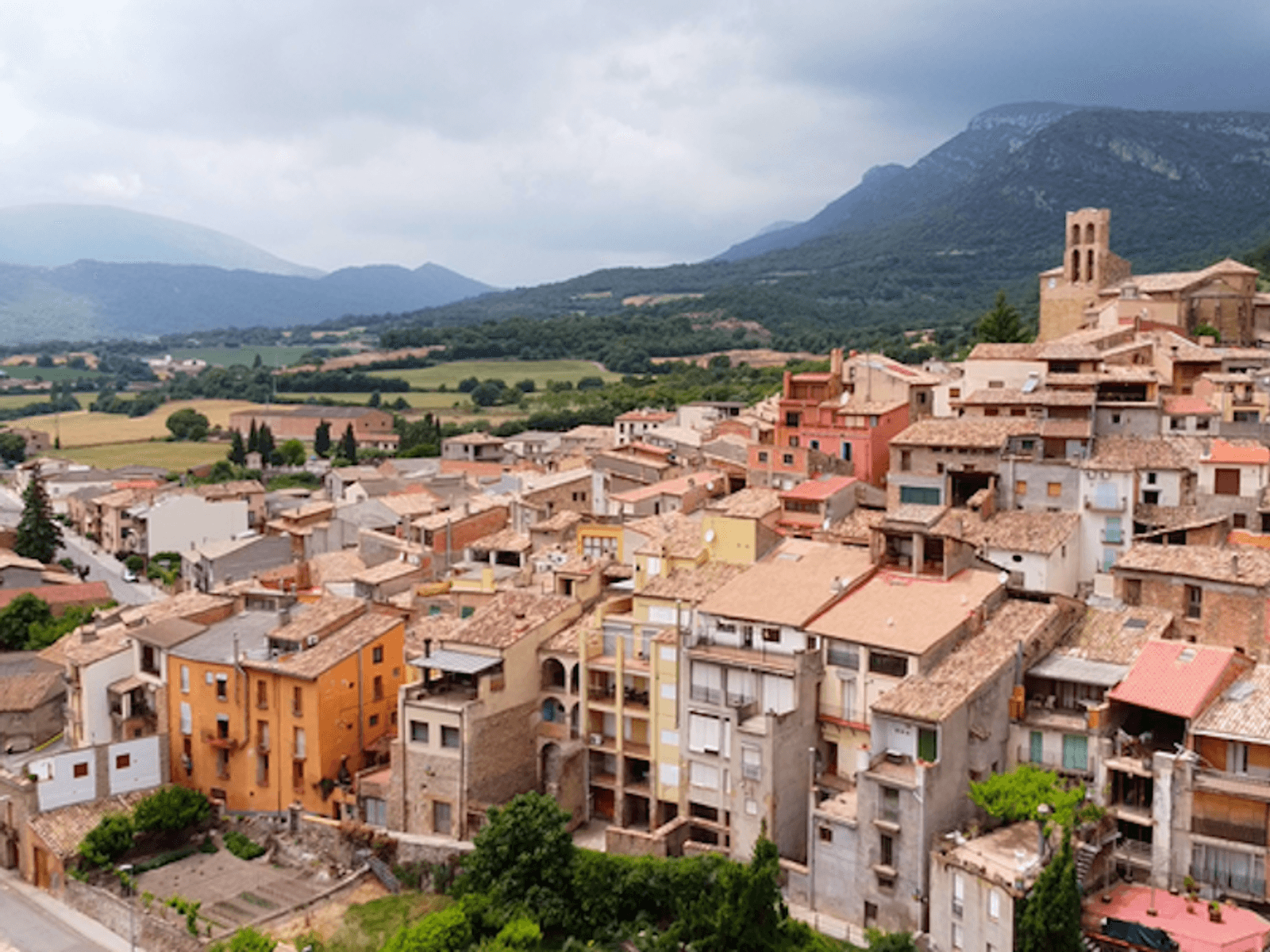
Km0 is a small firm based in Barcelona that is currently promoting new energy solutions at the local level. The company partners with the Provincial Council of the city of Girona in Catalunya and plays a pivotal role in the local demo site of an EU-funded project Reschool, coordinated by the University of Girona.
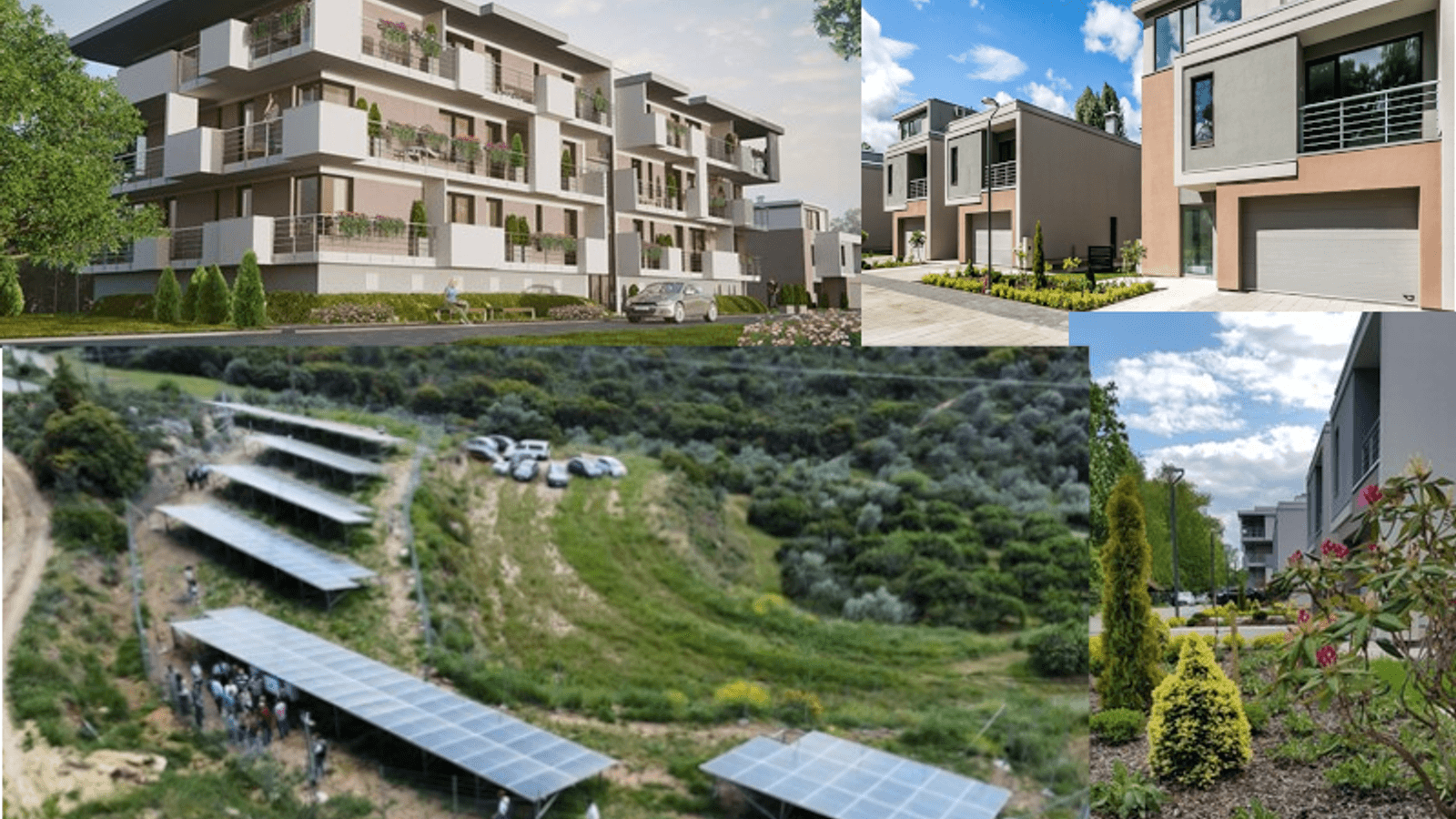
Specifically, Muñoz and his team act as a bridge between the project's objectives and the local energy communities in the villages of Amer, Rupià, Cellera de Ter, and Cornellà de Terri. The project aims to expand photovoltaic plants, develop storage systems, and assess local grid design. In total ninety households, thirty public facilities, and two local businesses are involved.
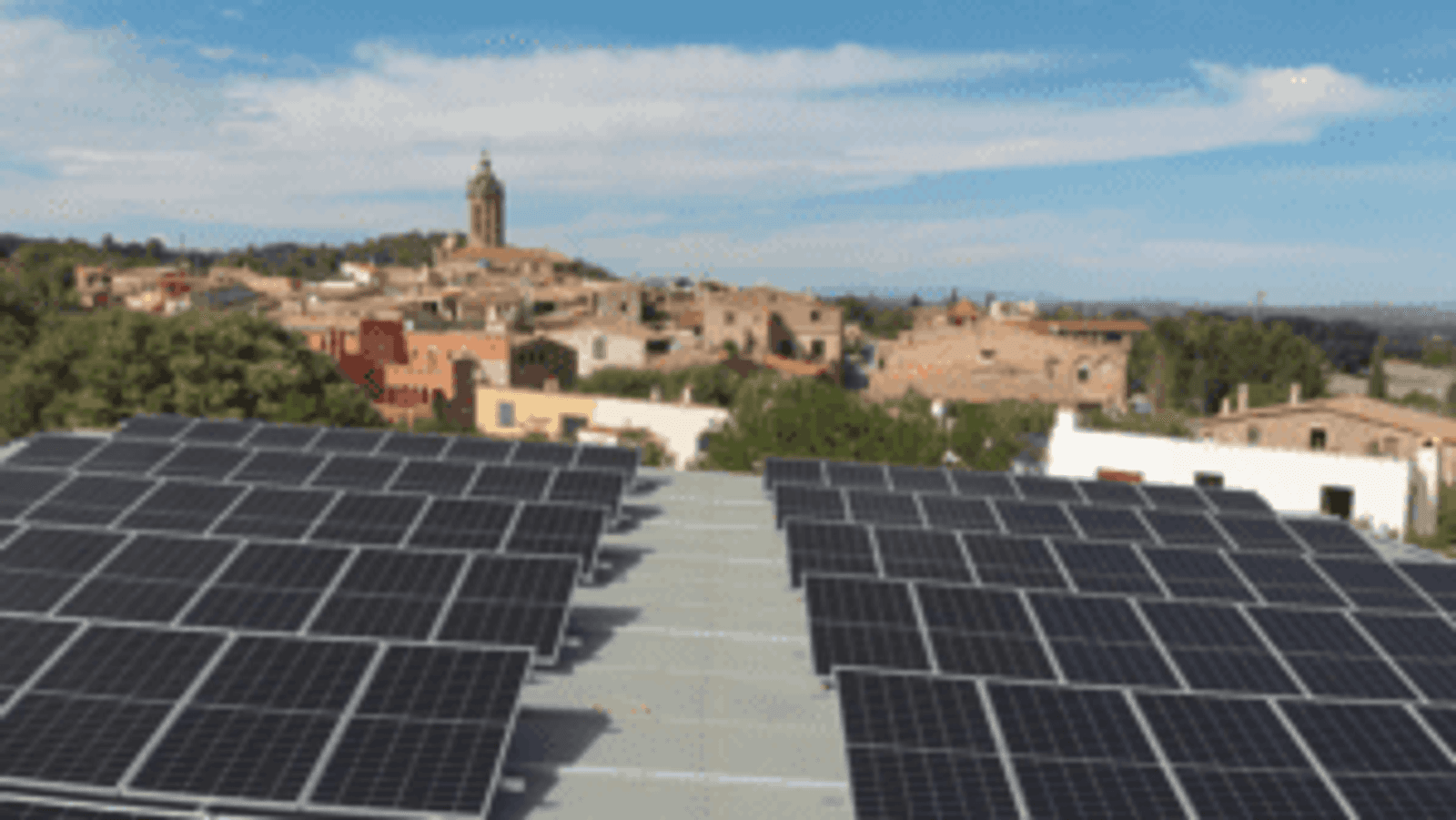
The Girona pilot aims to go beyond traditional collective self-consumption models. Muñoz emphasises that participants must first understand and trust the model. The Provincial Council and Km0 Energy have organised a series of meetings to inform citizens.
"We always start with an open dialogue for the entire municipality to show what benefits they can obtain," Muñoz explains. [...] Our hope is that this approach will demystify the process and encourage broader participation."
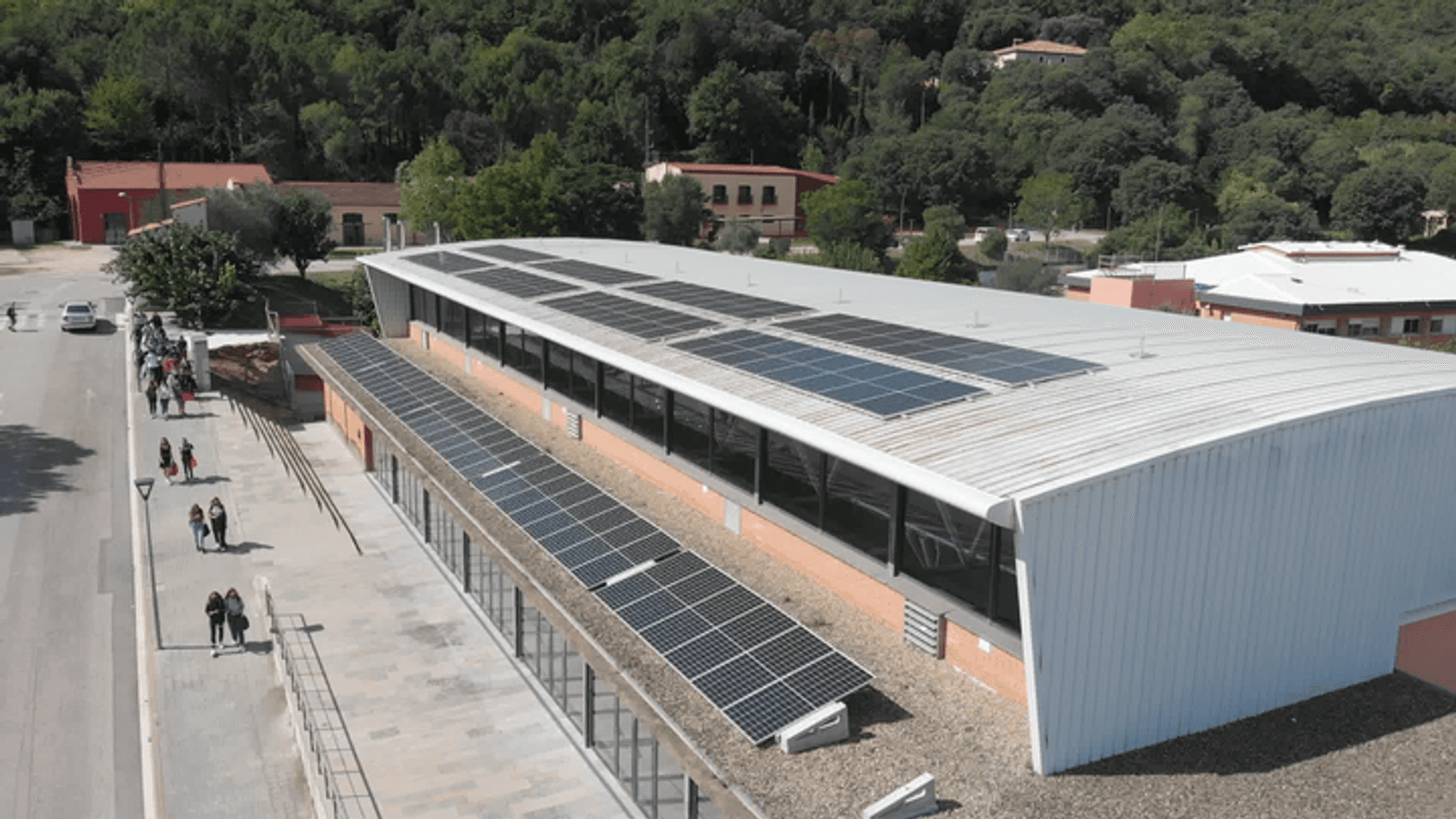
According to Muñoz, Spain's energy communities have already contributed to significant policy changes, with a noticeable shift in energy management and an increasing trend toward collective self-consumption installations.
"Energy communities show us that a decentralised model is viable, and citizens can play a central role in the energy transition."
Guernica, Basque Country
Another promising example is also found in Guernica, in the Basque Country. The town's first energy community project was established three years ago through the local Basque-speaking San Fidel Ikastola School. The building now boasts 200 solar panels that supply renewable energy to the school and its surrounding infrastructure, including 140 families, shops, and public buildings such as the local cultural centre (Casa de Cultura).
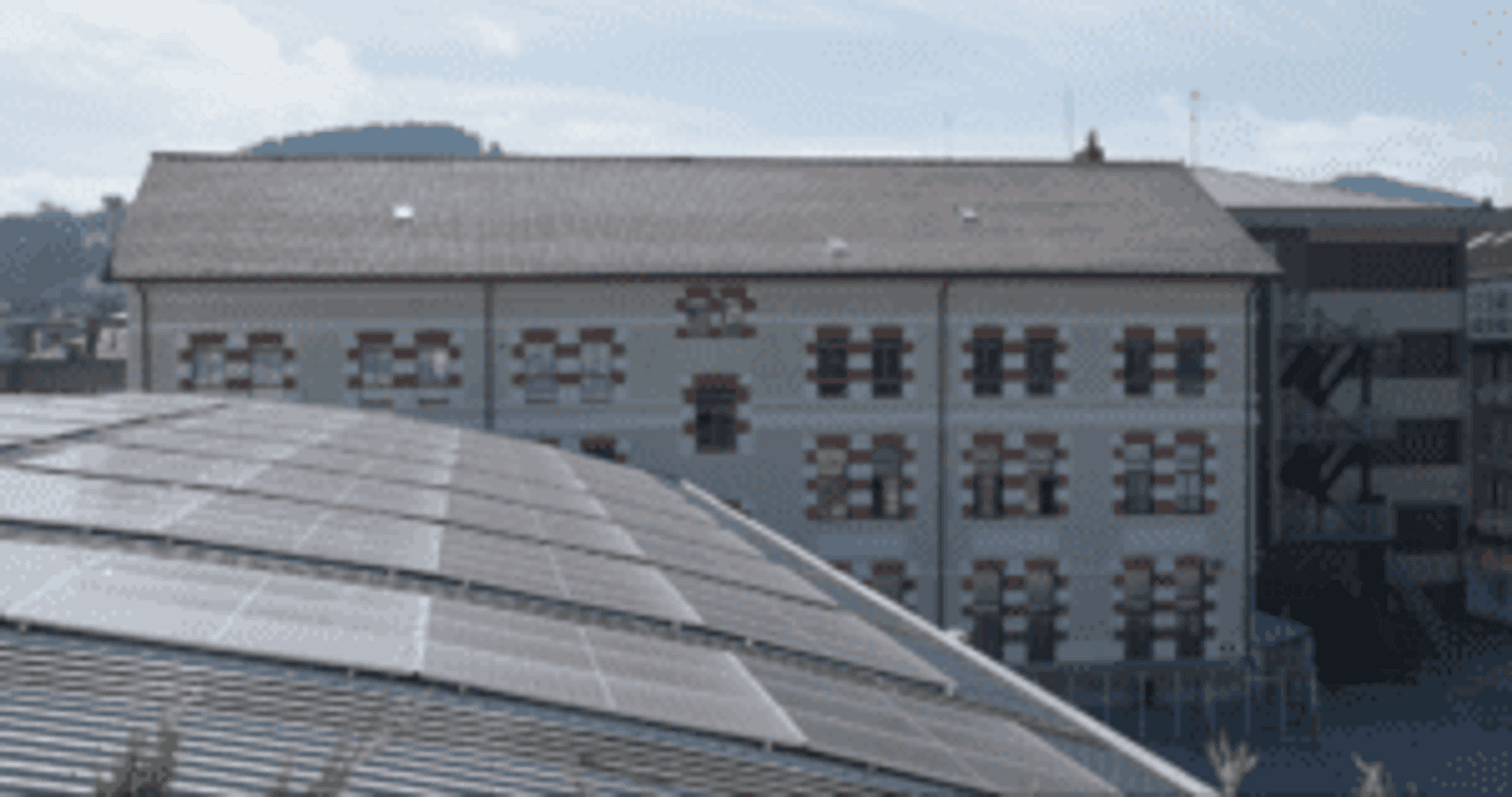
The project—part of another EU-funded initiative, ProLight—promises to curb as much as 885 tonnes of CO2 annually, about the same amount as the emissions of 80 average European households over the same period. But according to its project leaders, this is just the beginning.
"This installation generates around 108 megawatts per hour per year, covering about 25% of the energy needs for those involved," says Javier Zuazola, sales director at Edinor, a Spanish renewable energy semiconductor manufacturer supporting the project.
As he explains, the energy generated is used immediately, with any excess sent directly to the grid, benefiting even those not yet part of the community. "A model of direct self-consumption like this cuts costs immediately for families and businesses."
Like in Girona, the initiative's success depended on the community's willingness to embrace change. Like in Girona, the initiative's success depended on the citizens' willingness to embrace change. Residents are undoubtedly drawn to the community-joining process because of its straightforwardness, with registration for the service only taking a month following the submission of the documents.
Word of mouth also helps—signing up is easier when you see others you know doing the same. Nevertheless, the concept of energy communities also seems to appeal to the notion of a sense of collective responsibility, especially toward future generations.
However, José Mari Gorroño Etxebarrieta, Guernica's mayor, points out that scaling these efforts will require more than just goodwill. "We need many more communities like this one to collect data and truly understand the benefits for families. [...] This is why raising awareness is crucial."
The City Council is already advancing plans to install 272 photovoltaic panels at the local sports centre. Discussions are underway to also establish an eco-innovation park in the industrial zone and a vocational training centre focused on environmental disciplines.
However, establishing these initiatives outside Spain may prove challenging, as the EU's legislative framework for energy communities is still evolving.
"The problem is that each country has different regulations," says Itziar Vidorreta, an international project manager at Gaia, a major Technology and Digitalization Cluster in the Basque Country - also involved in ProLight.
"What works in Guernica might face different legal hurdles in Germany or Sweden. That's why we're also working through ProLight and other similar initiatives to harmonise these policies on a European level."
Nevertheless, Vidorreta says, if implemented across the EU, such initiatives could transition society toward a more sustainable lifestyle. But she also stresses the importance of local engagement, especially through culture.
"Culture plays a key role here," she explains. "Guernica, as a historical symbol of freedom and resilience, is deeply rooted in the Basque and European identity. For example, including the Casa de Cultura in the ProLight project helps connect with people on a deeper level, […] hopefully raising a sense of collective responsibility toward the environment."
Most popular
Join the community for freeAnd get access to all content
Related projects
RESCHOOL
1 January 2023 - 30 June 2026
View project