Energy efficiency needs a culture shift to scale at speed
Guest/partner contributor
Posted on: 26 August 2025
Achieving energy efficiency targets is not only about technology, it requires a culture shift, a mindset change and effective leadership to drive sustainable change, writes Mike Umiker of Energy Efficiency Movement.

Achieving energy efficiency targets is not only a matter of technology; it requires a culture shift, a mindset change and effective leadership to drive sustainable change, writes Mike Umiker of Energy Efficiency Movement.
Nine times out of ten, energy efficiency is discussed as a technical or financial challenge — which equipment to install, which platforms to integrate, how to fund it all. But there’s another dimension that’s just as critical, and far less visible: the managerial and cultural foundations that make or break successful change. Technology may be what kickstarts the energy savings, but culture is what sustains them.
The latest report from the Energy Efficiency Movement (EEM) confirms what many already know from experience; the biggest blockers to energy performance aren’t always physical infrastructure or access to the right budget. Often, they are embedded in leadership, decision-making habits, organisational silos, training programs, and the day-to-day priorities that shape how work gets done.
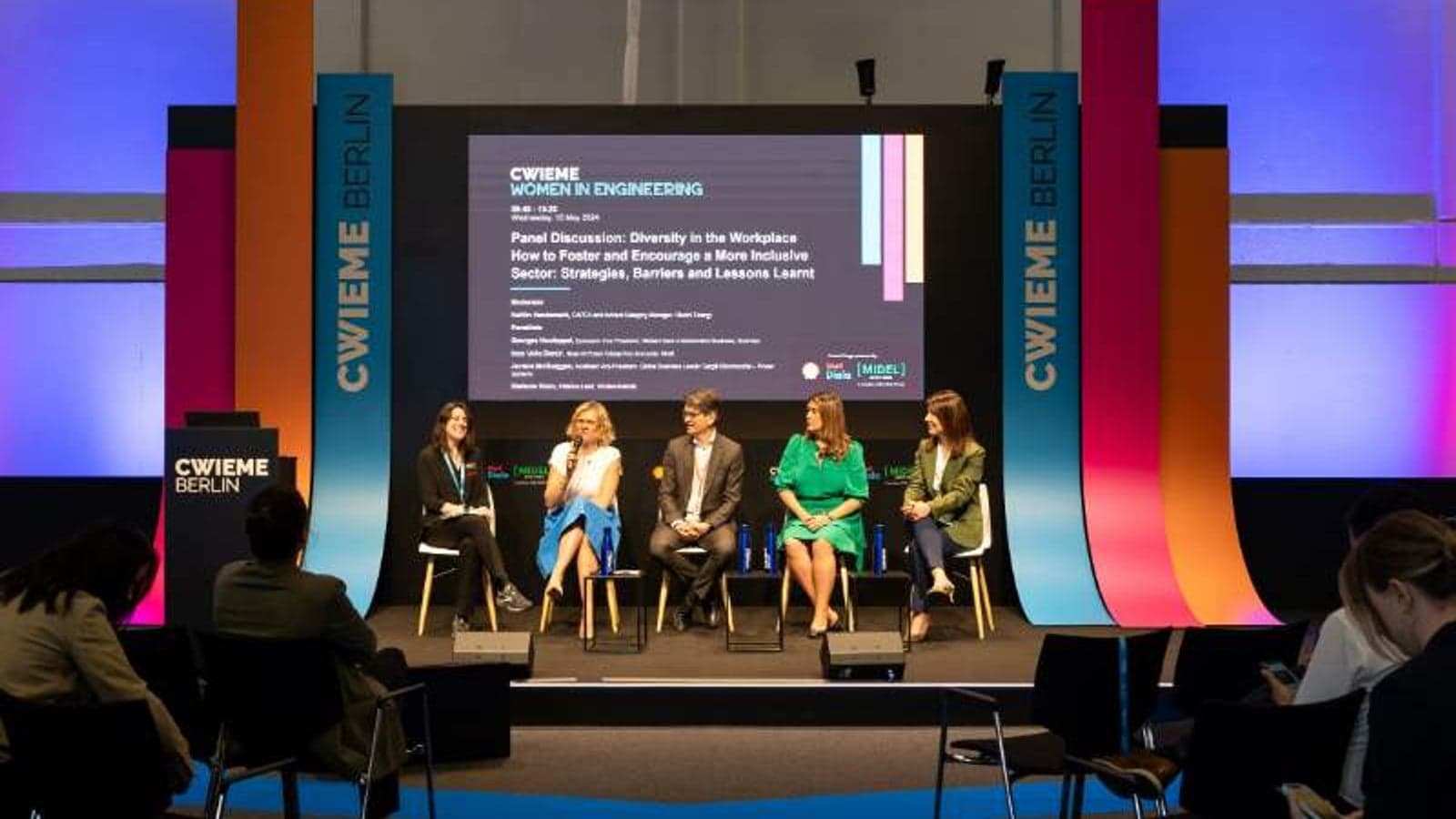
Our findings align closely with the outcomes of the recent 10th Annual Conference on Energy Efficiency, co-hosted in Brussels by the International Energy Agency (IEA) and European Commission for Energy and Housing, in partnership with the Energy Efficiency Movement.
There, over 700 global leaders, including 50 government officials, reaffirmed the goal to double the rate of energy efficiency improvements by 2030. In addition, the chief executives of 18 international companies, including ABB and Alfa Laval, made a major commitment under the lead of the Energy Efficiency Movement to advance energy efficiency as an enabler for industrial productivity, competitiveness and emissions reductions.
But alongside the calls for smart technology and supply chain transformation came a spotlight on the often-overlooked enablers of efficiency: visionary leadership and cross-functional collaboration.
Have you read?
Fatih Birol and Dan Jørgensen call for energy efficiency focus in ‘low-trust’ world
Energy efficiency: the jack of all trades of EU electrification
Management matters more than we think
More than a third (37%) of companies surveyed said they struggle to prioritise energy efficiency within their organisation. That doesn't necessarily mean they're unaware of its benefits, but it does mean that the issue rarely makes it into key strategic conversations.
For example, one in five respondents reported that energy efficiency is not well integrated into overall KPIs. In practice, this can mean energy-saving initiatives are started independently by teams with limited resources or an unclear roadmap. Momentum stalls, and not because the technology isn’t viable, but because there’s no organisational scaffolding to support these projects.
Strong leadership is essential in overcoming these challenges. Change can’t happen overnight and it often moves more slowly than we'd like. Without sustained managerial support, even proven cost-saving projects can fall by the wayside.
Clarity from the top — about why energy efficiency matters, what success looks like, and how progress will keep its momentum — is what gives these efforts lasting impact.
Energy management shouldn't live in a silo
Many manufacturers still treat energy performance as the concern of a single department — facilities, sustainability, or Environment, Health, and Safety (EHS). But concerns with energy use apply to every part of the operation. From procurement and automation to training and logistics, efficiency can only happen effectively when it's owned collectively.
Raising energy efficiency to a board-level strategic priority, with clear executive ownership, is essential. Pair this kind of leadership with real collaboration, and organisations are more likely to see year-over-year budget growth for energy efficiency. It also helps the business pull in the same direction across teams and locations.
These efforts enable departments to assess trade-offs and timelines, as well as balance performance goals with cost and risk. They create consistency and communication across teams that might not be working toward the same objectives. And we’ve learned that the most effective energy efficiency strategies are those owned by everyone, not just a single team.
Training is not a box to tick
Nearly half of the companies we surveyed said training their workforce in energy efficiency is a challenge. And it's not just a lack of technical know-how, though that’s part of it.
The real issue is often time, relevance, and how well the training is woven into day-to-day operations. One-off workshops or modules rarely move the needle. Instead, energy efficiency awareness and literacy need to be built into onboarding, reinforced through daily routines, and reflected in performance reviews.
Some organisations are already ahead of the game, recognising smart ideas from employees with real business impact and bringing in external partners to close skill gaps through real work, not just theory. Just as importantly, they’re creating space for teams to learn from each other — taking what worked at one site and adapting it at the next — and being transparent about what went well and what didn’t go to plan.
Culture change thrives in environments where people feel empowered to try new things and contribute ideas without needing all the answers up front. Getting there means treating energy efficiency as a living part of the business, not a quarterly initiative or a box to tick.
Behavioural change is strategic, not soft
It’s easy to fall into the trap of thinking culture and behaviour are "soft" issues when compared to the hard numbers of energy savings or emissions data. But behavioural inertia is often what holds back adoption, especially when organisations are already stretched or naturally cautious about change.
Key findings from our research — echoed in recent discussions at the IEA conference — suggest that up to half the energy-saving potential in industrial environments could come from behavioural and managerial changes, not just shiny new technology.
Simple things like smarter scheduling, machine shut-offs, process tweaks, or better operator awareness don’t have to break the bank. What they do require is trust in employee insight and support from leadership that doesn’t fade once the tech is installed.
Scaling what works
At the IEA’s conference in Brussels, the message from governments and industry leaders was loud and clear: energy efficiency is key to global competitiveness, energy security, and climate progress. Hitting the 2030 targets won’t come down to technology alone — it’s also about rethinking the way we approach change and implement it quickly and at scale.
Our report offers a roadmap not only for how to overcome technical and financial barriers, but how to build a foundation for cultural change: through leadership, collaboration, and a shared sense of ownership.
Because if we want energy efficiency to scale at the speed the world needs it to, technology is only part of the answer — and it exists. What’s needed just as urgently is better alignment across teams, across sites, and most of all, across mindsets.
ABOUT THE AUTHOR
Mike Umiker is Executive Director at Energy Efficiency Movement (EEM). He is passionate about energy efficiency and working with people who share a passion to run their own businesses, improve sales and marketing processes, tools, trainings and go to market strategies.