Engineering the energy transition and beyond
Guest/partner contributor
Posted on: 25 September 2025
Engineering innovation, customer centricity and collaboration are helping industries meet the challenges associated with decarbonisation, explains Ruben Alvarez of John Crane.

As industries worldwide race to decarbonise, the complexity of balancing sustainability with operational reliability is becoming ever more apparent. Engineering innovation, customer centricity and collaboration are helping industries meet the challenge.
By Ruben Alvarez, CEO of John Crane
At John Crane, we work with customers across a wide range of industries – from oil and gas to renewables, chemicals and power generation – giving us a front-row view of how the energy transition is taking shape around the world.
From large scale industrial players to regional innovators, there is an urgency, complexity and opportunity involved in decarbonising operations, a process to be engineered in a way that supports the critical systems the world relies on every day.
Facing real-world hurdles on the path to cleaner energy
Transitioning from traditional fuels to cleaner technologies isn’t as simple as flipping a switch. There’s legacy equipment to adapt, regulations to navigate, mandatory legislation to comply with - all while keeping operations safe, reliable and increasingly low-emission.
For many organisations, that means balancing operational performance with the urgent need to decarbonise, reduce fugitive emissions and improve energy efficiency across everything from process equipment to storage.
Have you read?
The solar paradox: Why more panels haven’t resulted in smarter energy
How the US solar power industry can deal with extreme weather events
While traditional energy systems remain essential in many regions today, the focus is shifting toward cleaner, more sustainable solutions, with traditional fuels like liquefied natural gas (LNG) playing an important role along the way.
There’s no 'one-size-fits-all' solution. The energy transition looks different in every country, and even every facility. But that’s also where the opportunity lies. If you can solve these challenges, you go beyond ticking boxes and start to shape the future of energy.
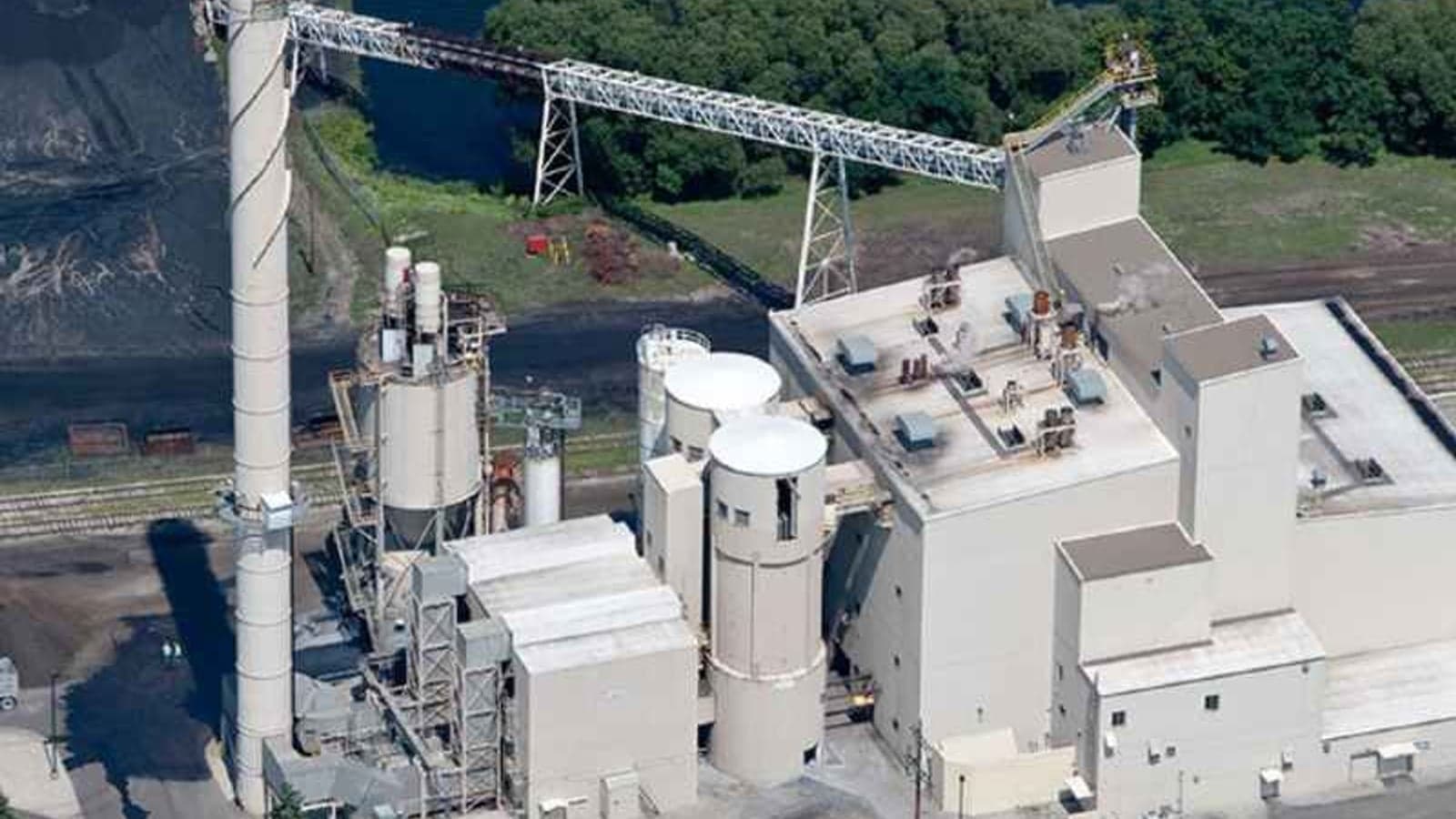
One of the most effective ways to decarbonise existing fossil fuel power plants is through post-combustion carbon capture, which removes CO₂ from flue gas after combustion. According to the International Energy Agency, carbon capture, utilisation and storage (CCUS) could reduce energy-related emissions by 13%, with global capture capacity set to grow by 35% and storage by 70% by 2030.
Across the industry, more companies are making CCUS a practical part of their decarbonisation strategies. This technology is rapidly progressing from pilot projects to large-scale operations, often in demanding environments.
First CO2 volumes successfully stored at Northern Lights
Putting customers at the heart of innovation
So, how do we help companies make this shift? It comes down to listening to what customers need and then working with them to deliver real solutions.
The lessons we’re learning from hydrogen projects in Europe are already helping customers in North America and Asia. In water-scarce regions, we’re helping operators use less and recycle more by reducing process losses and improving system efficiency. And in remote locations, our teams are finding ways to keep critical equipment running longer and more reliably. It’s a two-way street: we learn as much from our customers as they do from us.
Take our work with Franco Tosi Meccanica in Italy, for example. Together, we’re supporting a pilot project on supercritical CO₂ power cycles - a technology that could make power generation cleaner and more efficient. Our job is to engineer sealing solutions that can perform under the demanding conditions of advanced power generation systems. It’s a great example of how collaboration is driving real progress.
Innovation is about responding directly to what keeps our customers awake at night.
Growth with purpose
So, what’s next? For me, it’s about growth, but not just in terms of numbers. It’s about growing our impact: helping more customers reach their sustainability goals, investing in our people and nurturing the wider industry, while pushing the boundaries of what’s possible.
Our partnership with the University of Sheffield in the UK is one example. We’re working with researchers to push the boundaries of sealing technology for high-pressure hydrogen storage and other low-carbon applications. It’s not just about new products. It’s also about investing in the next generation of engineers and making sure the industry has the talent and ideas it needs to thrive.
We’re also seeing growing interest in LNG as a transitional fuel in several markets. While not the end goal, it can offer a practical bridge in reducing emissions where renewables are not yet scalable, and we are helping customers operate these systems more cleanly and reliably.
As the world undergoes this energy transition, engineering advancements and specialised sealing technologies will play a vital role in ensuring the efficient and reliable operation of both renewable and fossil fuel power generation systems.
New energy landscape means new opportunities
If there’s one thing I’ve learned, it’s that progress in this industry doesn’t come from standing still. It comes from rolling up our sleeves, collaborating across borders and being open to new ideas.
The road to a cleaner energy future isn’t always smooth, but it’s absolutely worth the effort.
The future of energy is being written right now, all over the world, and I’m excited to see where we can go together.
ABOUT THE AUTHOR
Ruben Alvarez was appointed President of technology solutions firm John Crane in February 2025. Since joining John Crane in 1998, Ruben has led leadership teams in many regions across the globe including the Middle East & Africa, Asia Pacific, Europe and Americas, gaining significant experience in strategy, market development, operations and growth acceleration.
Originally published on enlit.world