EU Council reaches landmark agreement on electricity market reform
Pamela Largue
Posted on: 18 October 2023
The European Council has reached an agreement on a proposal to amend the EU’s electricity market design after months of being deadlocked.
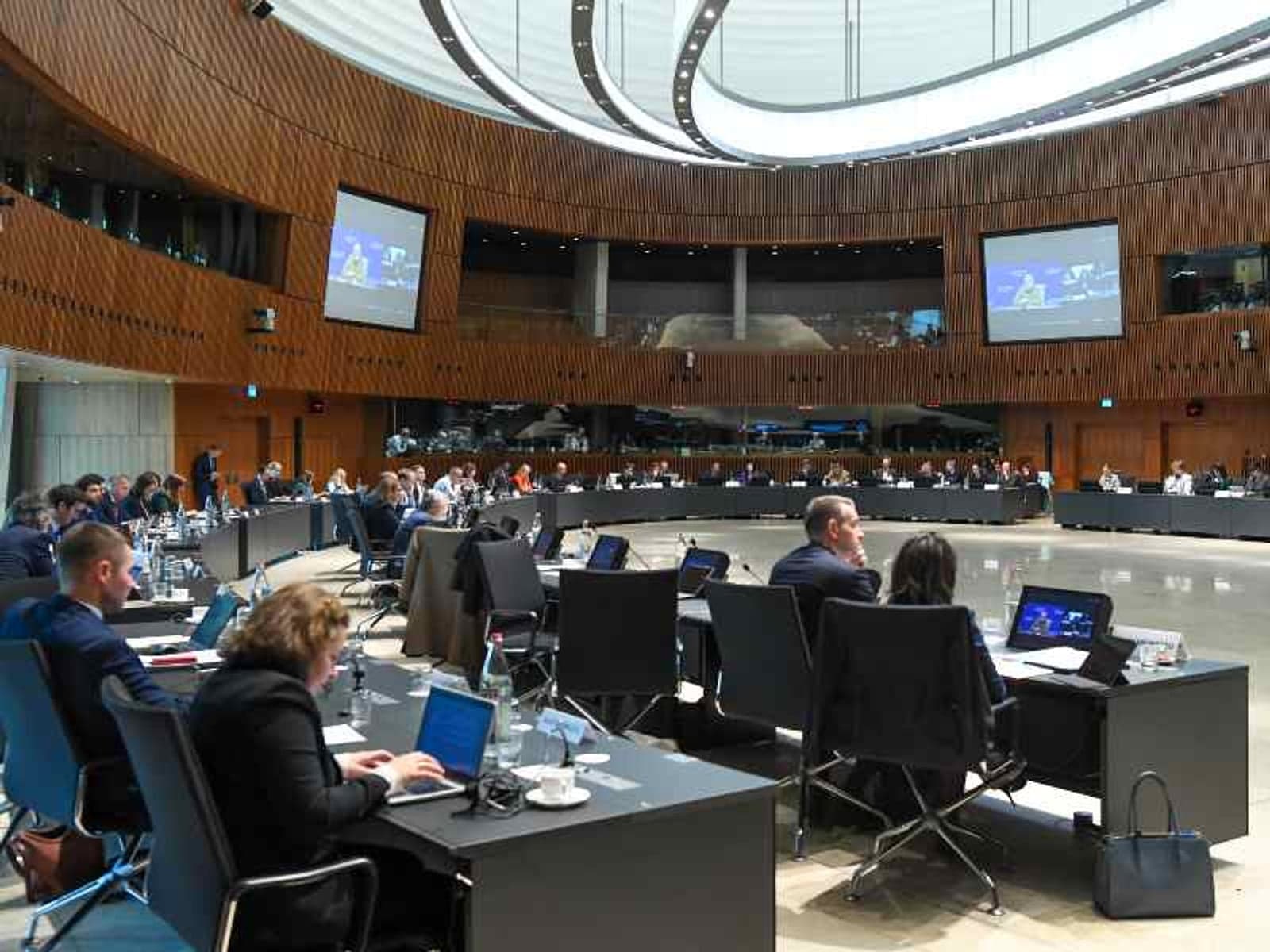
The European Council has reached an agreement on a proposal to amend the EU’s electricity market design, allowing the Council presidency to start negotiations with the European Parliament.
For months, EU Energy ministers were unable to reach a consensus on the proposed reforms due to disagreements concerning investment subsidies.
Central to the disagreement was the use of Contracts for Difference schemes (CfDs) which allow governments to recoup profits from energy producers when electricity prices rise.
This was of particular concern for Germany, as reforms would allow France to subsidise its nuclear plants, lower its energy prices and gain a competitive advantage.
Energy ministers have now overcome these contentious issues with a compromise, implementing CfDs to increase capacity, but within specific design rules that prevent market manipulation and negatively impact competition.
Have you read?
Grid bottlenecks delaying transition to renewables states IEA report
EU’s renewable generation hits new Q3 high states report
Agreed reforms
The market reform aims to make electricity prices less dependent on volatile fossil fuel prices, boost consumer protection, as well as protect against market manipulation through better monitoring and transparency.
Also, the policy reform aims to accelerate renewables deployment and steady long-term electricity markets.
According to a press release, the Council recommends that member states remove barriers to PPA uptake and states that a two-way CfD model would be mandatory when public funding is involved in long-term contracts.
Two-way CfDs would apply to investments in new power-generating facilities, including nuclear power, but would only apply after a transition period of three years to maintain legal certainty for ongoing projects.
Also of interest
EU Commission finalises Fit for 55 in a bid to reach net zero targets
The rise of hybrid PPAs in the renewables industry
Teresa Ribera Rodríguez, acting Spanish third vice-president of the government and minister for the ecological transition and the demographic challenge, suggests the agreement will ensure EU consumers benefit from more stable energy prices with increased protection from future shocks.
Commenting on the agreement, Arthur Daemers, policy advisor at SolarPower Europe said: “Ministers made a big step yesterday; this deal brings us that much closer to a final text. A rapid conclusion of the file is absolutely necessary to deliver legal certainty to invest in new renewables, and reach our climate and energy targets."
“There’s room for improvement for this deal as it goes through negotiations. The text prolongs the status quo on market caps, leaving room for a Frankenstein-like patchwork of national measures – Bulgaria and Greece just prolonged their cap. This is discouraging investments at a time when we need them most. Co-legislators must clarify that emergency measures must remain for emergency."
The European Commission adopted the reform proposals on 14 March 2023.
The next step will see negotiations with the European Parliament on the final shape of the legislation, starting on Thursday, after which outcomes must be formally adopted by the Council and the Parliament.