Home
/
EU Energy Projects Podcast: Extending the life of EU energy projects through strategic branding
EU Energy Projects Podcast: Extending the life of EU energy projects through strategic branding
Areti Ntaradimou
Posted on: 26 November 2025
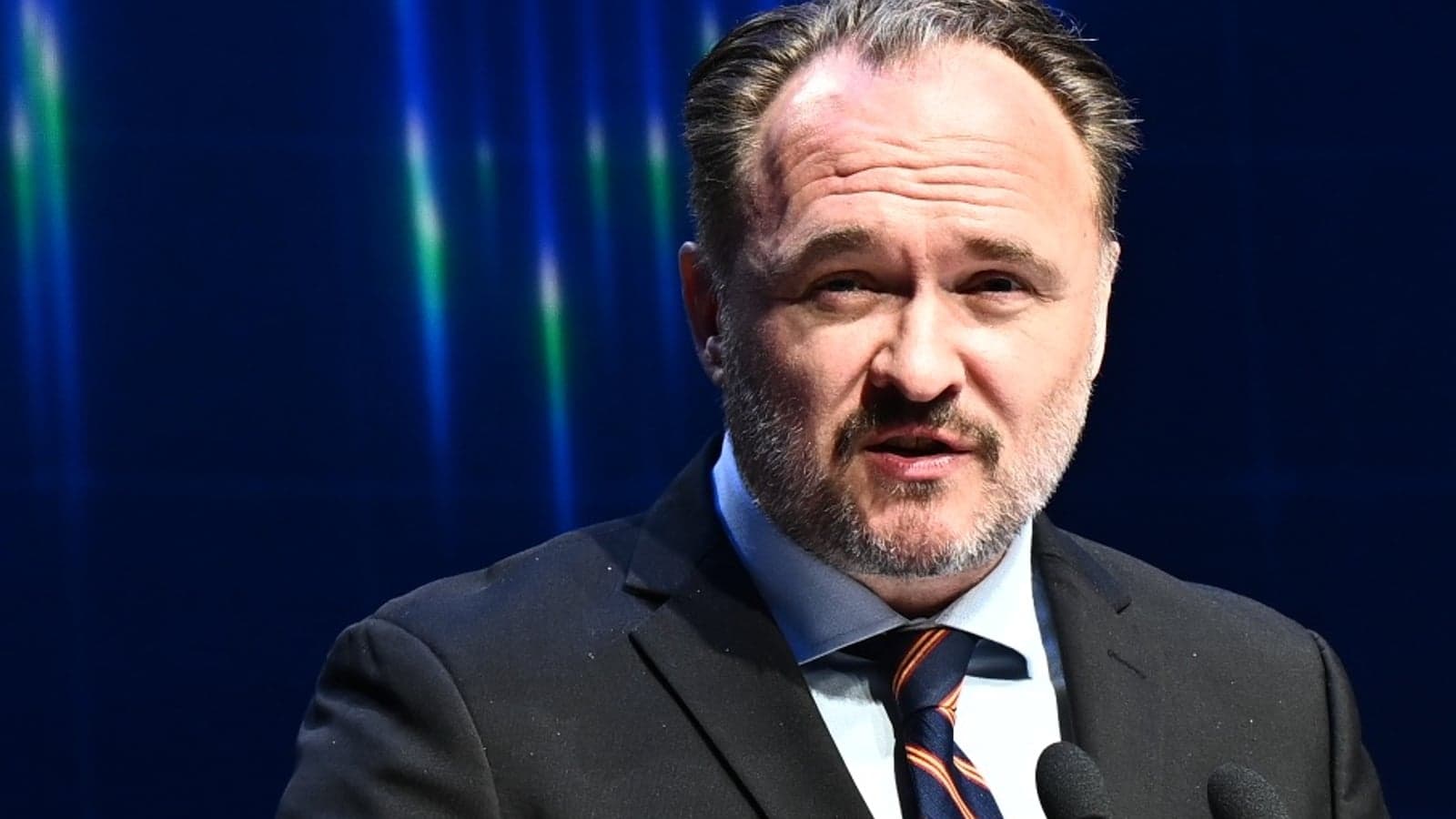
In this episode of the EU Energy Projects Podcast, we are joined by Dr Fridrik Larsen, one of Europe’s leading experts in branding and reputation management, as well as the Godfather of Enlit.
With deep expertise in brand positioning and stakeholder engagement, Fridrik has spent years helping organisations bridge the gap between innovation and public perception. His insights offer a valuable perspective on an often-overlooked element of EU-funded research and innovation projects: branding.
As Fridrik explains, while the principles of branding remain the same across sectors, energy presents unique challenges. “Branding is just branding,” he notes. “But energy is tied to politics, human rights and daily life in a way that few other products are.” This heightened sensitivity requires energy innovators to be especially mindful of how they communicate the origins, impact and benefits of their work. Even so, the fundamentals, i.e. understanding your target audience, articulating a clear value proposition and maintaining a meaningful dialogue, remain essential.
One of the most pressing issues for EU-funded projects is ensuring that their results, tools and innovations do not fade away once the funding cycle ends. Technical excellence alone does not guarantee visibility, uptake or long-term relevance. This is where branding becomes indispensable. As Fridrik puts it, “Simplify to amplify.” Highly technical projects often attempt to explain too much. Yet stakeholders rarely need, or want, the full tech stack. They care about benefits, usability and real-world impact. Effective branding distills complexity into clear, digestible messages that resonate beyond specialist audiences.
The European Commission places strong emphasis on communication and dissemination but branding often remains an underdeveloped component of project strategy. Fridrik argues that stronger guidance and even formalised branding KPIs, could significantly enhance long-term project impact. Many projects, he suggests, still view branding as a cost rather than an investment. Yet when EU funding ends and teams must engage new stakeholders, including private investors, “the brand becomes super important.” A strong, well-defined identity builds credibility, fosters trust, and helps innovations live beyond the constraints of funding timelines.
Ultimately, branding is not an optional add-on but a strategic asset. By crafting clear narratives, engaging stakeholders meaningfully and positioning innovations for long-term relevance, EU energy projects can transform technical achievements into enduring legacies that continue to shape policy, industry and public understanding for years to come.