EU wave energy converter project approved for testing
Power Engineering International
Posted on: 13 September 2024
-
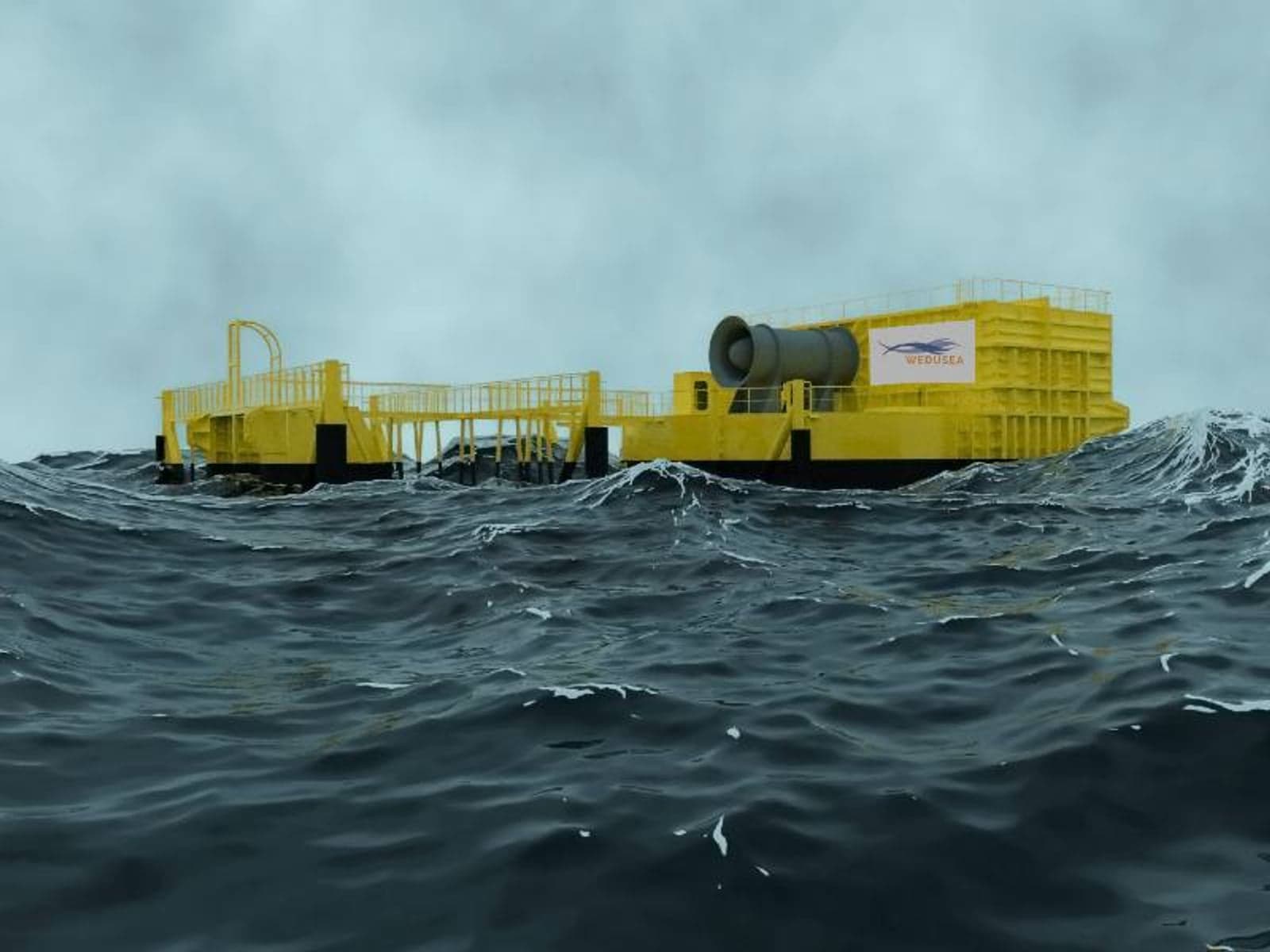
The European Union has given the green light for a €19.6 million ($22 million) partnership project, which aims to commercialise OceanEnergy's floating wave energy converter.
The Wave Energy Demonstration at Utility Scale to Enable Arrays (WEDUSEA) project is a collaboration between 14 partners, spanning industry and academia from across the UK, Ireland, France, Germany and Spain. It is co-ordinated by the Irish company OceanEnergy.
The project, co-funded by the EU Horizon Europe Programme and by Innovate UK, can proceed to its next stage to demonstrate a grid-connected 1MW OE35 floating wave energy converter at the European Marine Energy Centre (EMEC) wave energy test site at Billia Croo in Orkney, Scotland.
The WEDUSEA project has three phases. The first phase is the initial design and build of a device suited to the ocean conditions at EMEC’s Billia Croo wave energy test site.
Also of interest:
Site visit: Preparing wave energy farms of the future
Eco Wave Power kicks off first MW-scale wave energy project in Portugal
This will be followed by the demonstration at the site, lasting two years. The final phase will be commercialisation and dissemination which sees the capitalisation and exploitation of the results.
Prof, Tony Lewis, chief technical officer at OceanEnergy, says: “The project will demonstrate that wave technology is on a cost reduction trajectory and will thus be a stepping stone to larger commercial array scale up and further industrialisation. We predict that the natural energy of the world’s oceans will one day supply much of the grid.”
OceanEnergy has developed the OE35, which they claim is the world’s largest capacity floating wave energy device.
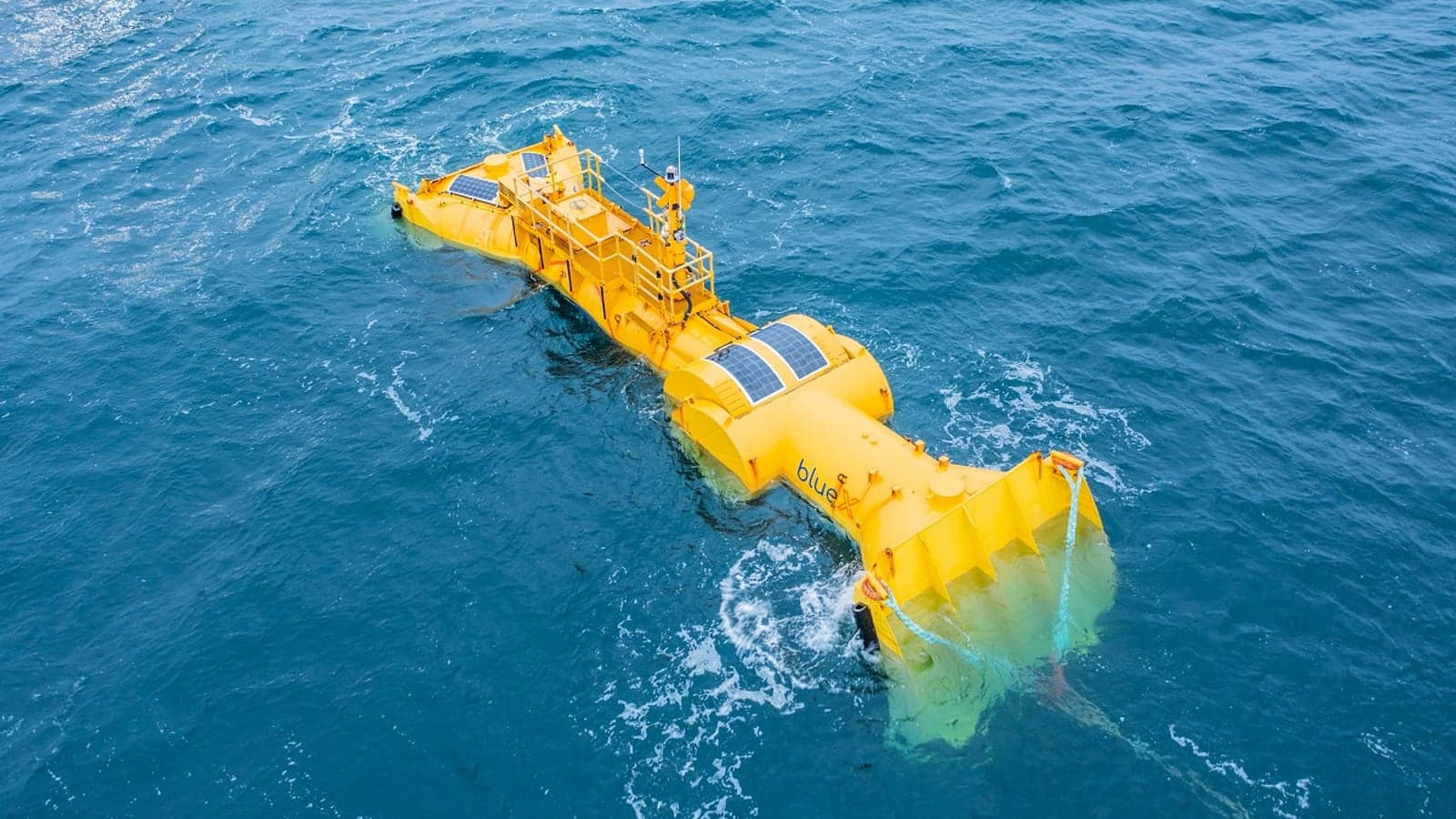
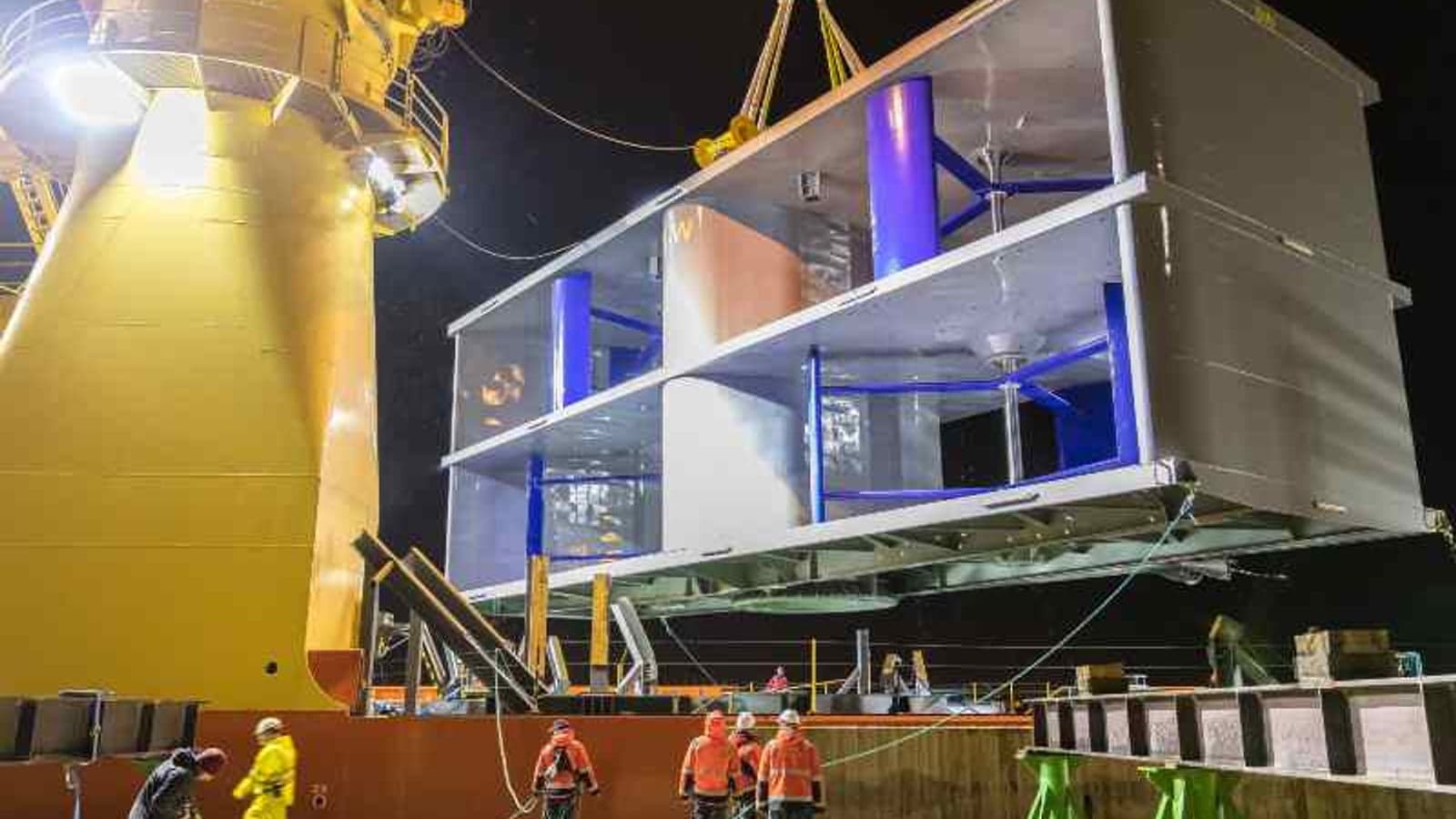
The device floats on the ocean's surface, incorporating a trapped air volume, with the lower part open to the sea. Wave pressures at the submerged opening cause the water to oscillate and drive the trapped air through a turbine to generate electricity. Electricity generated will be exported to the UK grid via EMEC’s subsea cables.
Prof. Lars Johanning of University of Plymouth says: “The WEDUSEA partnership has worked hard to ensure that all detailed designs and planning are robust, to prove that the project is viable and that the project will be delivered within budget. Now we have received the green light from the EU, it’s all systems go!”
The wave converter build starts in the second half of 2024 and the demonstration at EMEC is expected to begin in June 2025.
Listen to this episode of the Energy Transitions podcast to learn more about the exciting technologies being tested at EMEC.