European ‘energy highways’ initiative launched
Jonathan Spencer Jones
Posted on: 16 September 2025
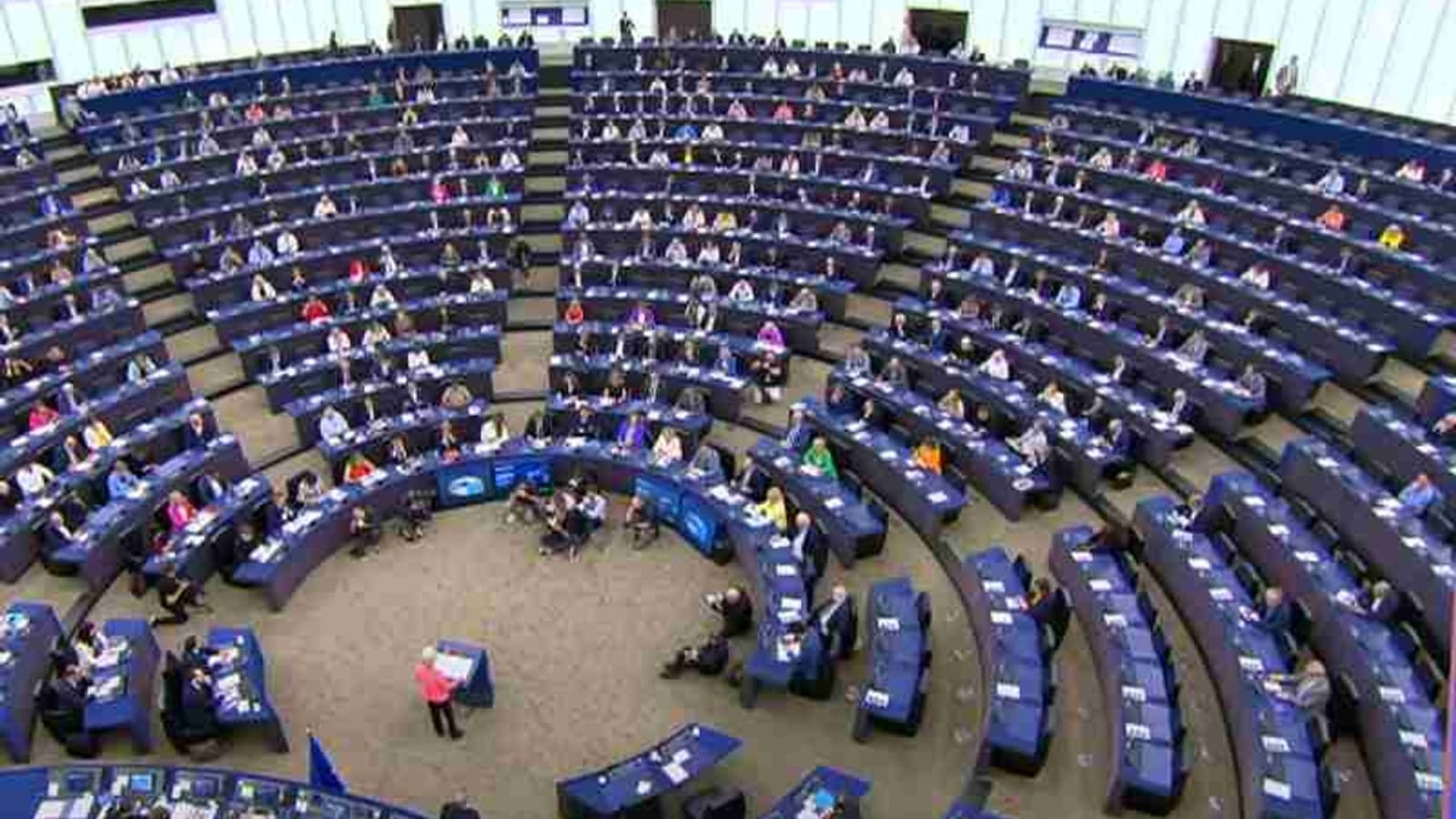
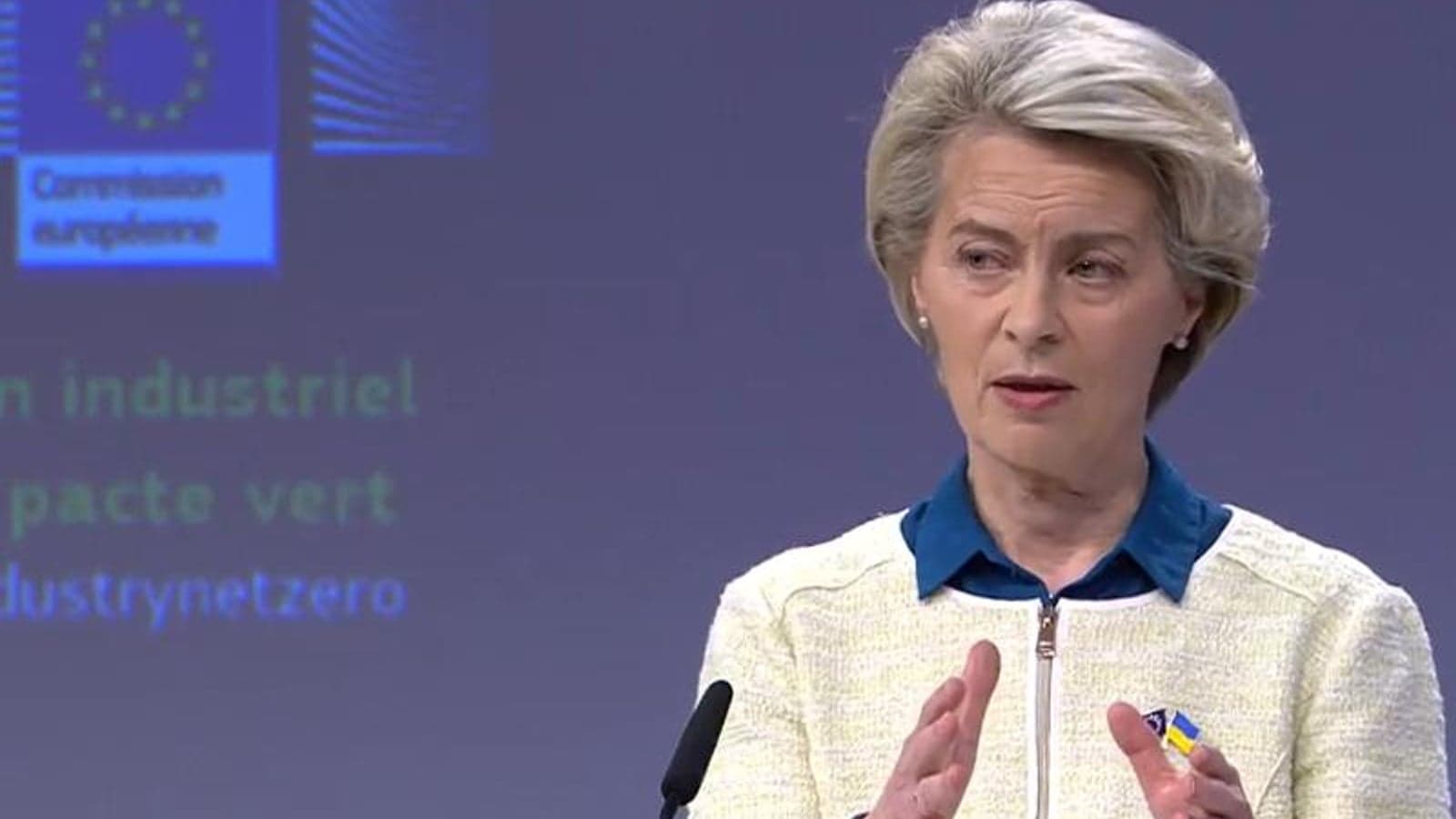
The ‘energy highways’ initiative was launched by the EU president Ursula von der Leyen in her ‘State of the Union’ address as critical bottlenecks in the region’s energy infrastructure.
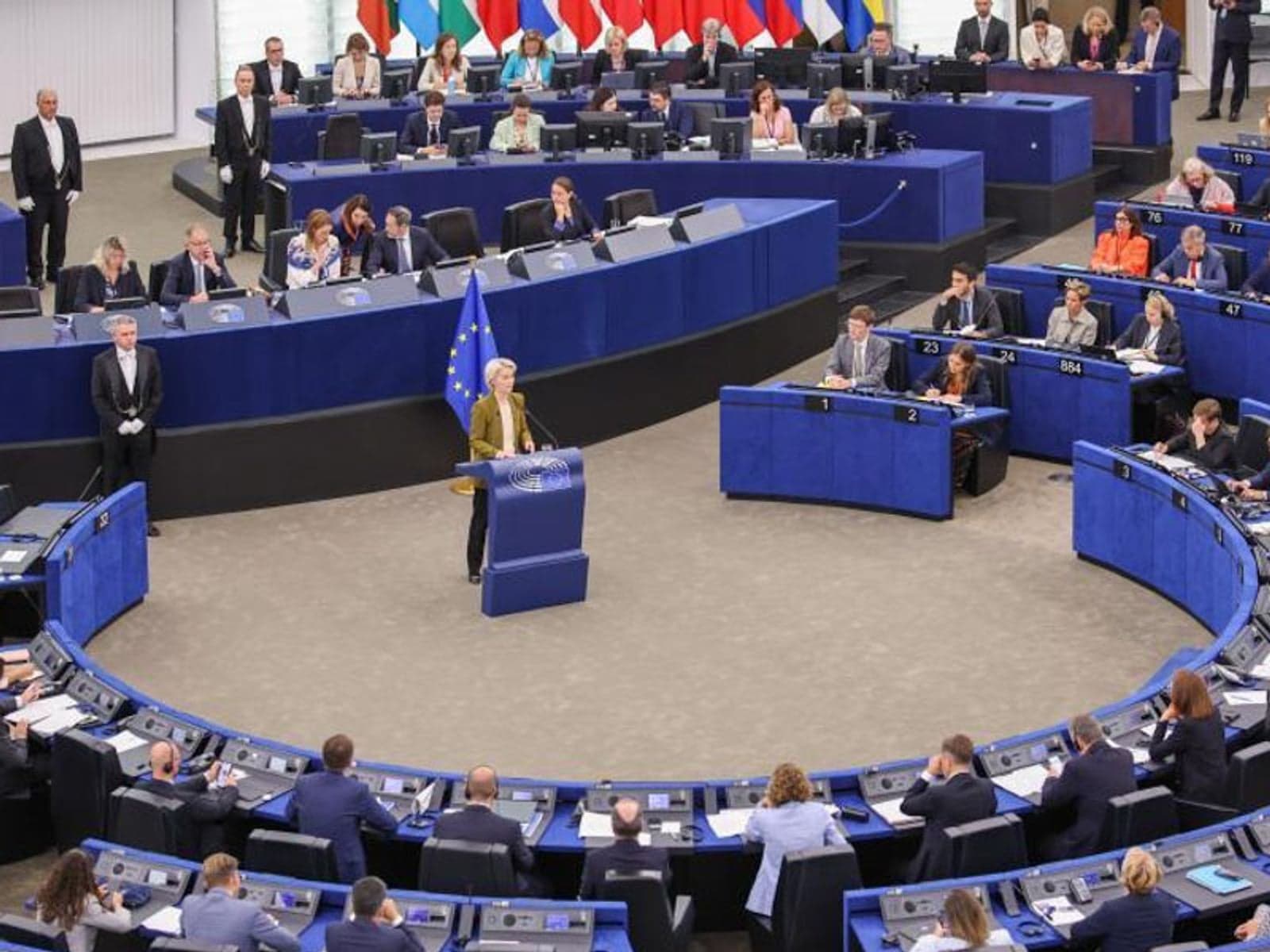
The ‘energy highways’ initiative was launched by the EU president Ursula von der Leyen in her ‘State of the Union’ address as critical bottlenecks in the region’s energy infrastructure.
Alongside the reminder of the grids package to strengthen the grids and speed up permitting that is due before the end of 2025, the energy highways initiative is aimed to remove what are seen as key bottlenecks in the system and to advance the use of hydrogen.
“We have identified eight critical bottlenecks in our energy infrastructure from the Øresund Strait [between Denmark and Sweden] to the Sicilian Canal,” said von der Leyen.
“We will bring governments and utilities together, to address all outstanding issues. Because Europeans need affordable energy right now.”
Also of interest
Europe Energy Briefs: A push for stronger action on the region’s grids
The full list of the bottlenecks identified hasn't been formally released but is understood to include:
1. Better integration of the Iberian Peninsula with interconnectors with France.
2. Connecting Cyprus with continental Europe, which also includes a connection to Israel.
3. Strengthening power links in the Baltic region.
4. Improving energy supplies in the Balkan region.
5. Developing offshore interconnector hubs for wind farms in the North Sea.
6. A south hydrogen corridor extending across the Mediterranean to Africa.
7. A southwest hydrogen corridor from the Iberian Peninsula to Germany.
8. Strengthening the power system in southeastern Europe.
Other aspects of energy that von der Leyen touched on included affordable energy, with a package due on that, and the need for more “homegrown renewables – with nuclear as a baseload”.
She also commented that energy is one of the main domains in which the single market remains incomplete, and would comprise one of the elements of the single market roadmap to 2028.
Alongside these initiatives von der Leyen also announced a new battery booster package with €1.8 billion ($2.1 billion) in equity to boost the production of batteries in Europe.
Batteries are seen as one of the lead markets for the Clean Industrial Deal, as a key enabler of clean tech, in particular electric vehicles.
In that regard she also suggested the development of a small and affordable ‘made in Europe’ e-car – indeed the ‘made in Europe’ theme was one running throughout her comments.