GE Vernova and IHI to develop a 100% ammonia capable gas turbine
Pamela Largue
Posted on: 25 January 2024
GE Vernova and IHI Corporation will progress the development of a new gas turbine combustor capable of using ammonia as a fuel.
GE Vernova’s Gas Power business has signed a joint development agreement with Japan's IHI Corporation to progress the development of a new gas turbine combustor capable of using ammonia as a fuel.
The collaboration is based on an earlier MoU between the two companies and builds upon IHI’s successful development of a 2MW gas turbine using 100% liquid ammonia.
The project will test ammonia as a viable fuel option for power generation compatible with GE Vernova’s 6F.03, 7F and 9F gas turbines and aims to reduce greenhouse gases generated by more than 99% with the combustion of ammonia.
GE Vernova and IHI will evaluate combustion technology concepts and their impact on the plant, as well as how they meet operational requirements.
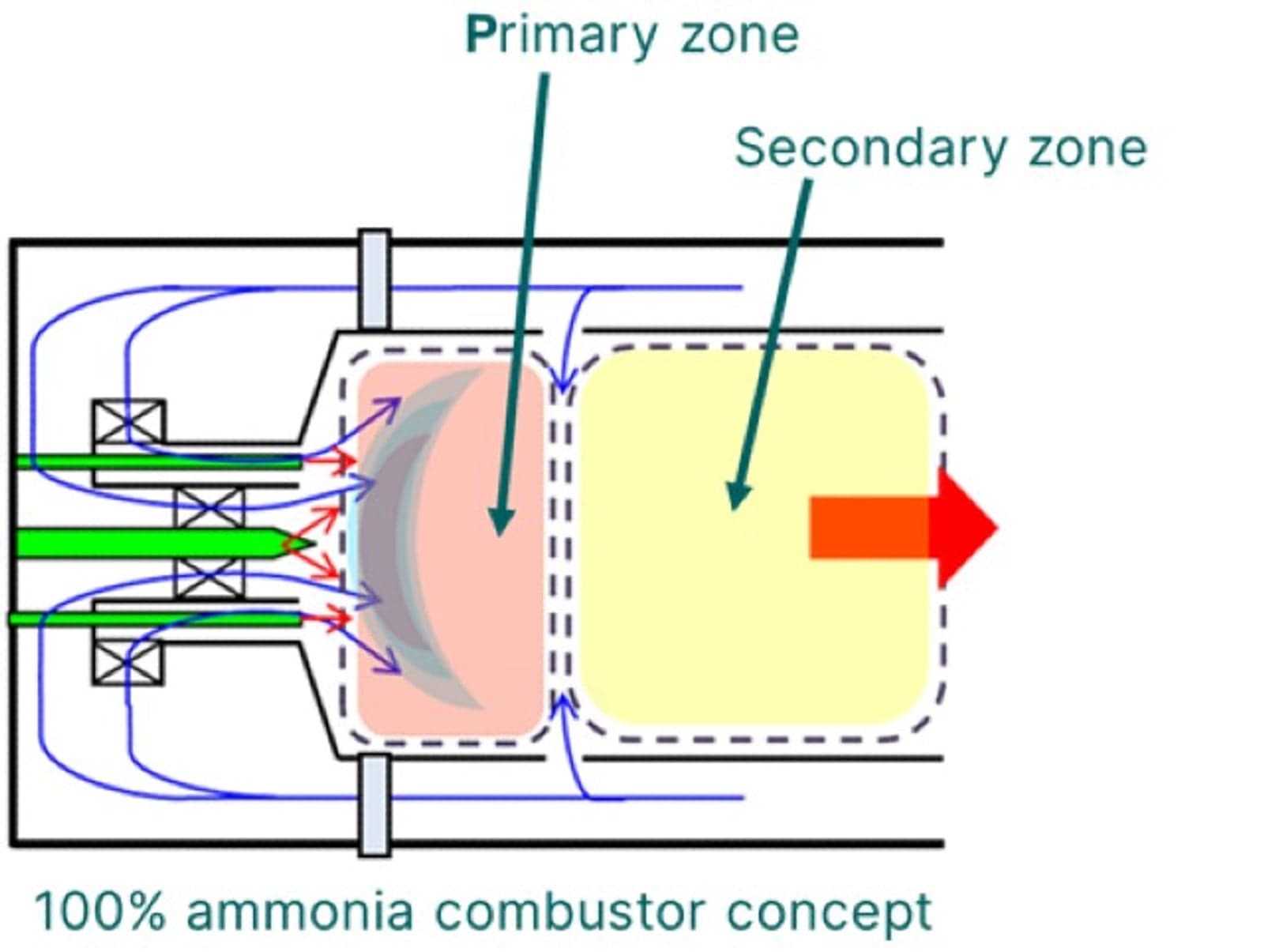
According to GE Vernova, the companies will develop a two-stage combustor configured to burn up to 100% ammonia to comply with emission requirements.
The new combustor is expected to offer an alternative path to decarbonize existing gas turbine power plants. A statement from GE highlights that “without replacing the existing gas turbine, power plants operating on conventional fuels can be upgraded to operate on fuel that does not produce carbon emissions when combusted by changing the natural gas combustor to a new ammonia combustor with associated upgrades to the fuel system and associated balance of plant systems.”
Have you read?
GE Vernova upgrades turbines at Kuwait’s Sabiya power plant
Ansaldo Energia’s first power plant in China enters operation
In an exclusive interview with Power Engineering International, Jeffrey Goldmeer, GE Vernova Director of Hydrogen Value Chain explained why this announcement is of great importance for the industry.
"This is important for countries that are dependent on imported fossil-based resources like LNG to power society. Like Japan for example, with strong climate goals and a lack of space and land for renewables, a zero-carbon fuel like ammonia holds great promise."
Hydrogen is harder to move, explained Goldmeer. “What liquid fuel can I move in bulk? Nearly 200 million tonnes of ammonia are produced each year and there's port and shipping infrastructure already available."
"Ammonia starts to check off a lot of boxes."
Goldmeer highlights that there are some negative challenges. "It's toxic and moving pure ammonia or anhydrous ammonia has some risk."
Despite these negatives, Goldmeer emphasises this project "shows we are on that journey to lowering emissions."
"No one expects that you solve all the problems in the first step," he said, "but this shows we are taking the next step with IHI, moving into the engineering phase and taking what they’ve learned in previous programmes."
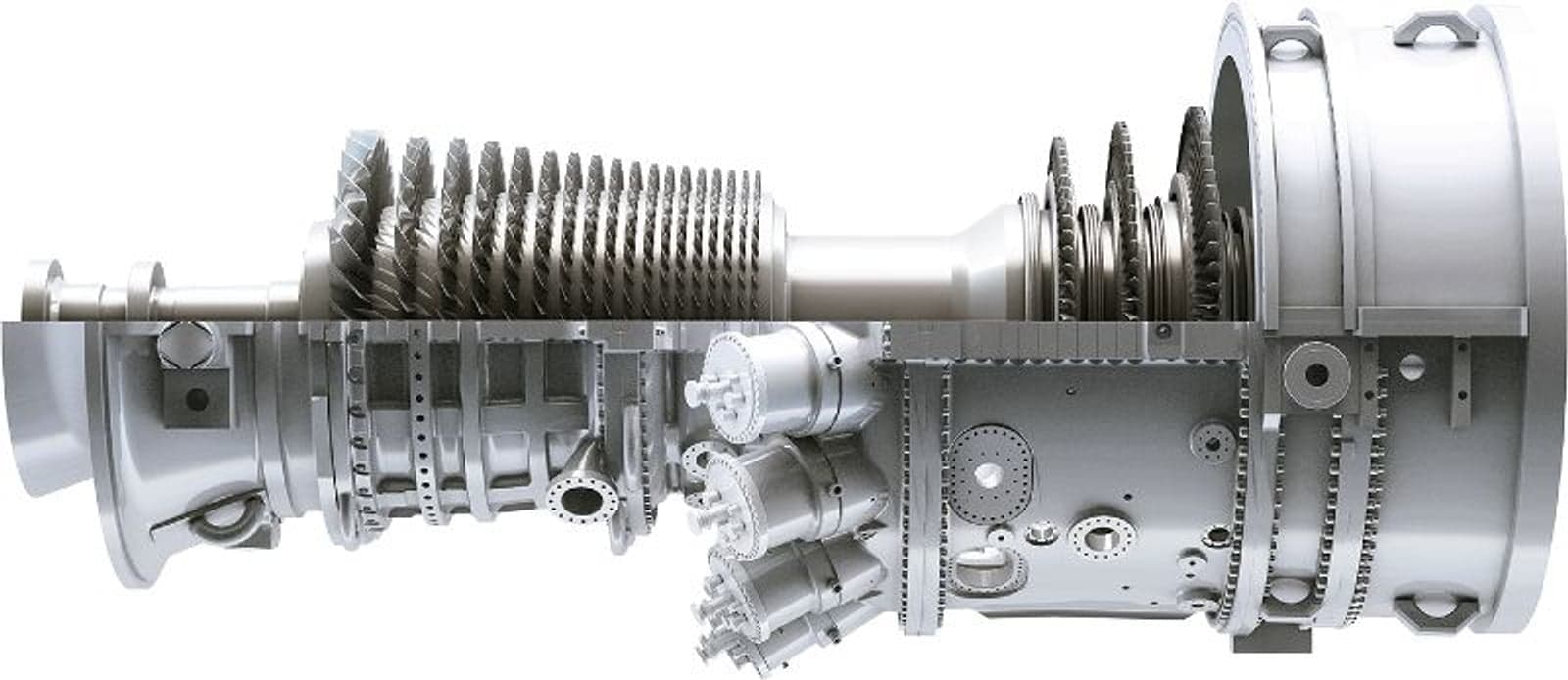
"We are working together to build a combustion system for an F-class unit, lessoning constraints on operating on ammonia."
This journey has occurred over multiple years and shows the value of collaboration with partners who strive to achieve the same goals, said Goldmeer.
"And the journey will continue," he said, "as we invest in the people, technology and partnerships to remove the tape slowing us down."
Kensuke Yamamoto, IHI VP of Business Development HQ’s and GM of Ammonia Value Chain Project Department also commented on the announcement referring to this as a milestone in decarbonisation. “Among the various hydrogen carriers, ammonia represents a truly viable pathway to decarbonisation for fuel importers like Japan.
"Ammonia is characterized by high volumetric hydrogen density and has well-established handling infrastructure deployed globally. IHI’s ammonia combustion technologies can enable the direct use of ammonia as a carbon neutral fuel.”