GE Vernova and Northern Lights partner to develop carbon capture solutions
Pamela Largue
Posted on: 13 June 2023
Northern Lights has signed a MoU with GE Vernova’s Gas Power business to develop the cross-border carbon capture supply chain in Europe.
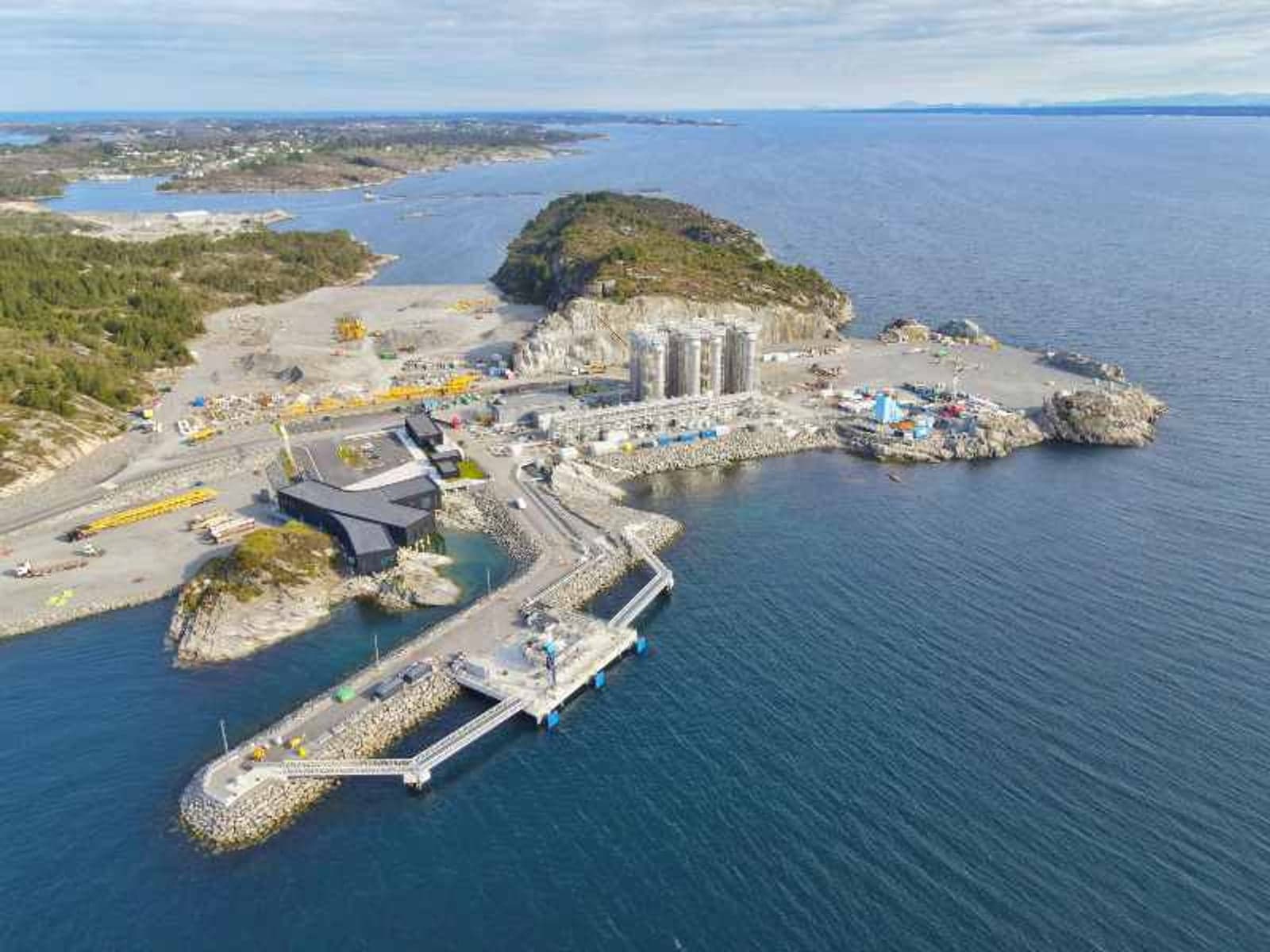
Northern Lights, a Norwegian company developing CO2 transport and storage infrastructure, has signed a memorandum of understanding (MoU) with GE Vernova’s Gas Power business.
The partners will collaborate on the acceleration and development of solutions such as carbon capture, transportation, and storage applied to power plants powered by GE gas turbines.
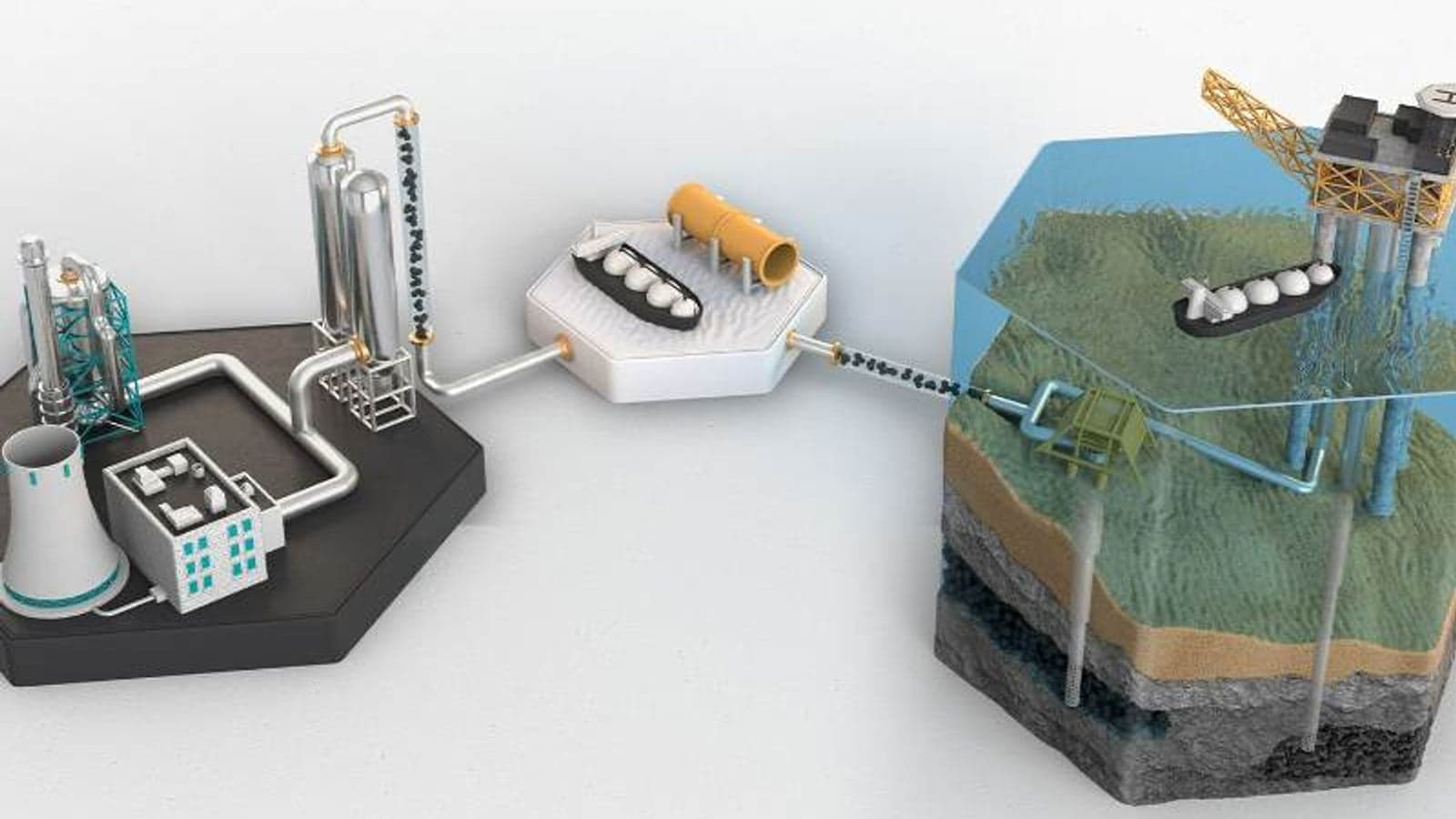
According to GE, the MoU will help establish the regional carbon capture supply chain by developing technical and logistical solutions to capture, transport, and store carbon dioxide.
“CCS is a necessary solution to reduce emissions from the power and heat market in the EU. While green energy solutions such as solar and wind power are being developed, CCS contributes to reducing or removing emissions from hard-to-abate industries where limited alternatives are available.
Have you read?
Why it’s time to fast-track carbon capture to future-proof power plants
Carbon8 appoints Paul Drennan-Durose as CEO
Decarbonisation driving gas separation membranes market – report
"The collaboration between Northern Lights and GE seeks to reduce emissions from the power generation sector,” said Martijn Smit, business development director at Northern Lights.
Martin O’Neill, vice president of strategy for GE Gas Power, commented: “We look forward to collaborating with Northern Lights on the development of compatible CO2 transfer systems, in support of our mutual goal of reducing carbon emissions from gas-fired power plants, which provide crucially reliable, affordable, and resilient electricity for homes and businesses worldwide.”
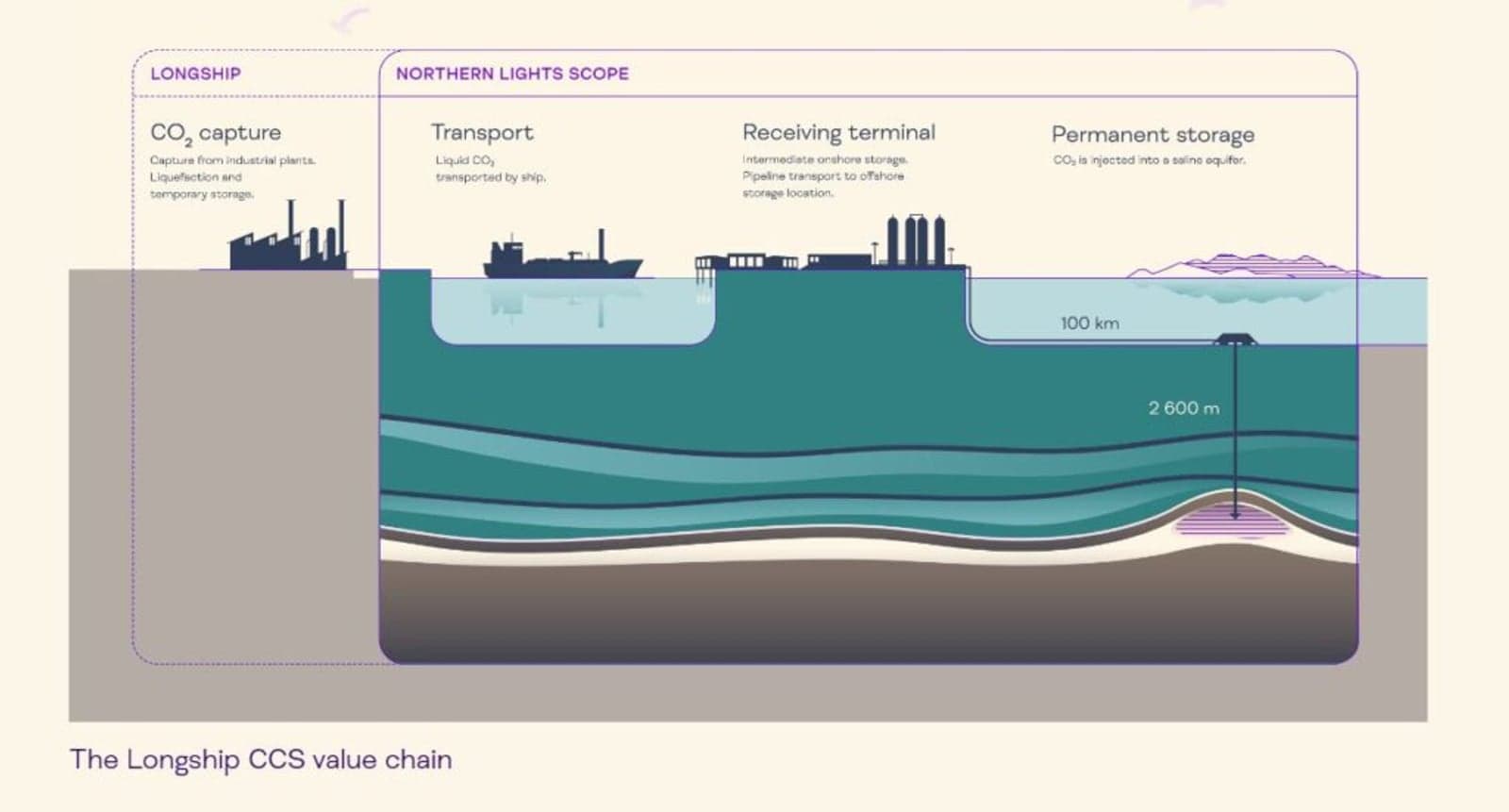
Project Longship
Northern Lights is a joint venture between Equinor, Shell and TotalEnergies and is working to establish an open and flexible infrastructure to transport CO2 called Project Longship.
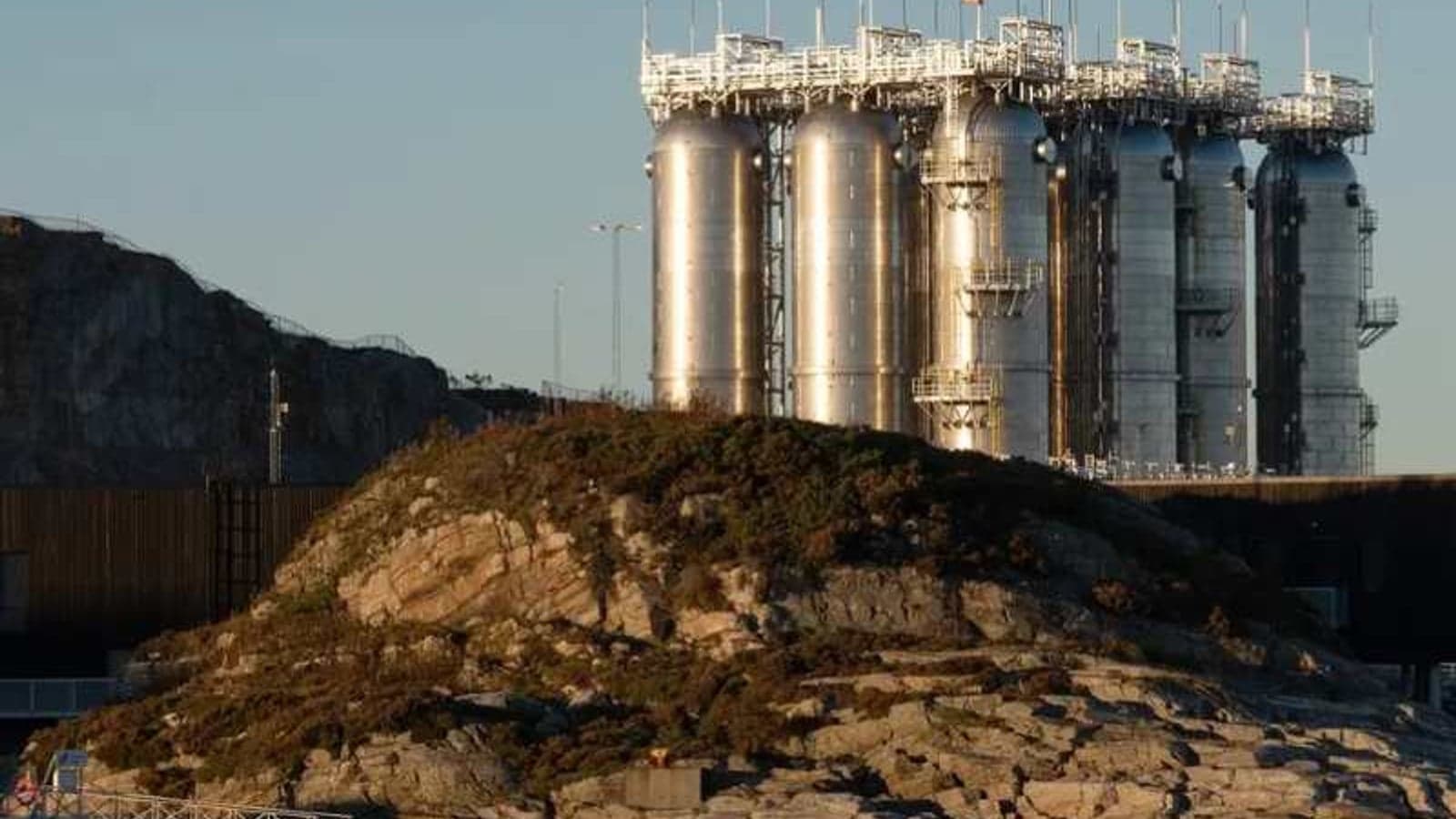
Longship will see carbon transported from capture sites by ship to a receiving terminal in western Norway for intermediate storage, before being transported by pipeline for safe and permanent storage in a reservoir 2,600 metres under the seabed.
Gain more insights into the carbon capture value chain by listening to the Energy Transitions Podcast episode with CCSA CEO, Ruth Herbert.