GE Vernova upgrades turbines at Kuwait's Sabiya power plant
Power Engineering International
Posted on: 16 January 2024
According to GE Vernova| the upgrade is expected to increase the power plant’s block output by up to 6.3% and reduce heat rate by as much as 1.8%.
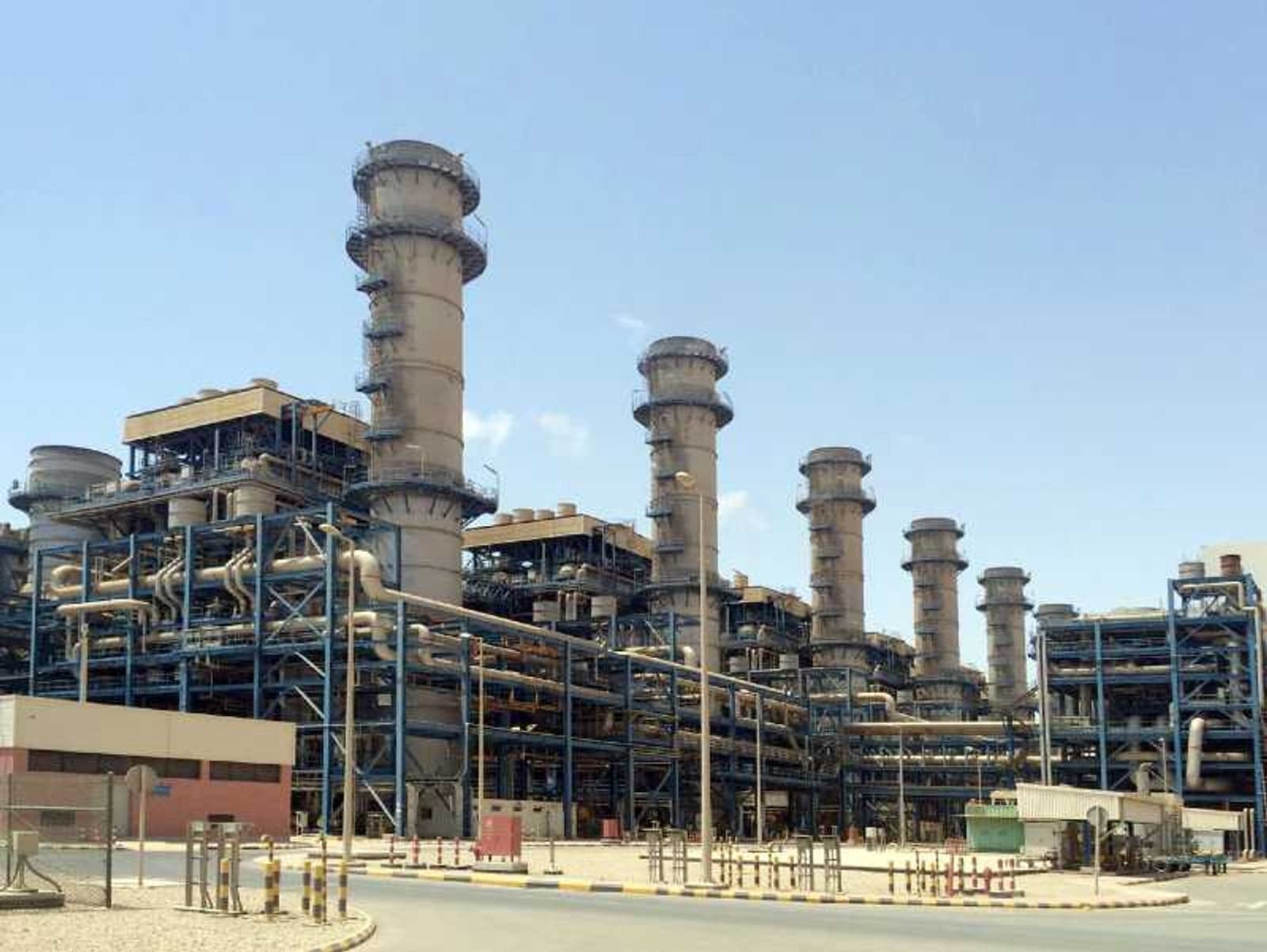
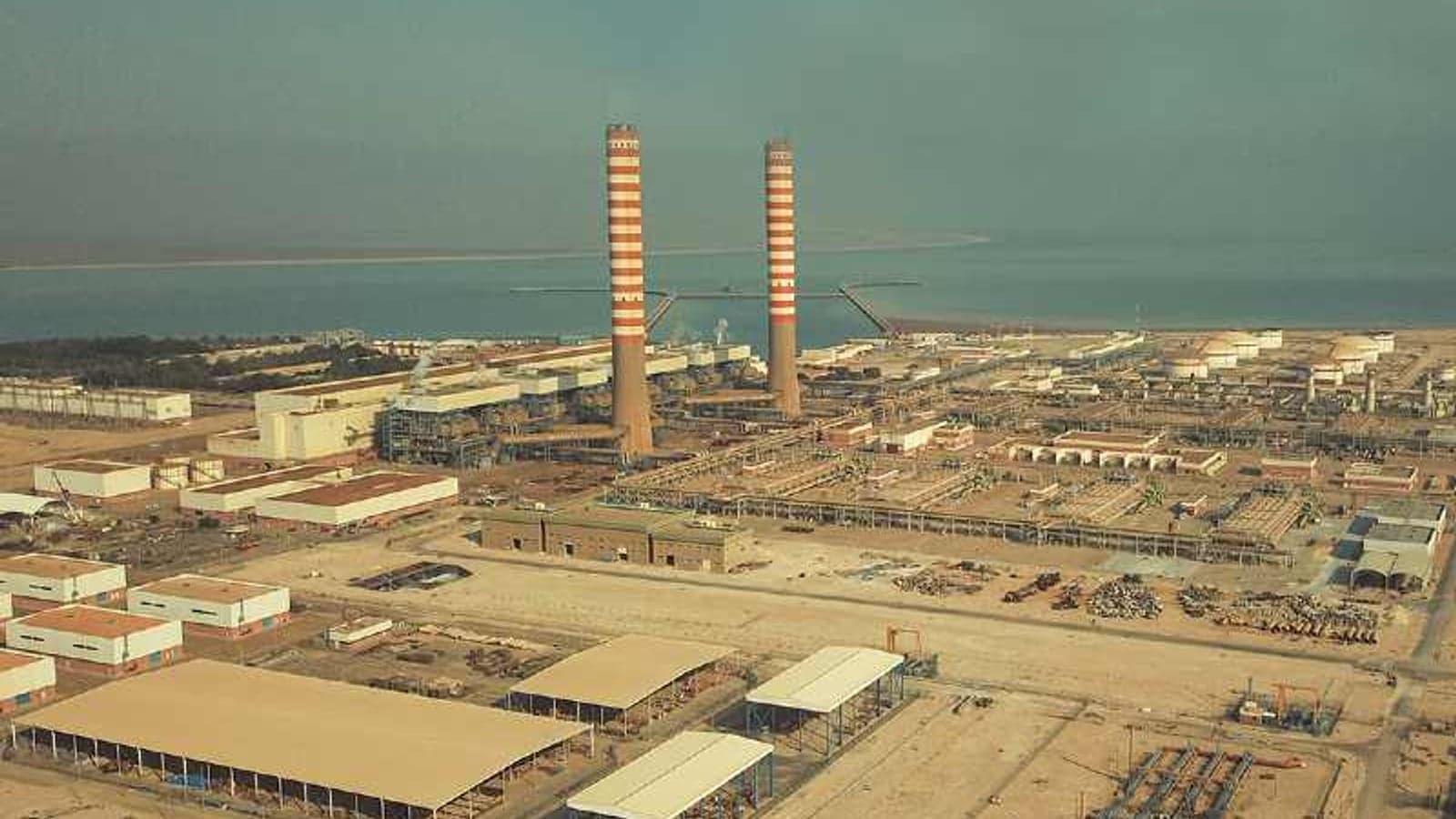
Kuwait's Ministry of Electricity, Water and Renewable Energy has announced GE Vernova's successful upgrade of four 9F.03 class gas turbines at the 2GW Sabiya Combined Cycle Power Plant.
According to GE Vernova, this project is expected to increase the power plant’s block output by up to 6.3% and reduce heat rate by as much as 1.8%, leading to a combined increase in power production of up to 70MW.
The goals of the upgrade were to boost power production, increase the duration between planned maintenance cycles, drive fuel efficacy, and reduce costs as well as carbon dioxide emissions per megawatt of power generated.
The new upgrades, part of a broader effort by the Ministry to modernise the power generation infrastructure in Kuwait, form part of a multiyear service agreement between Kuwait-based EPC Alghanim International and GE Vernova.
Have you read?
Masdar signs MoU to develop clean energy projects in Tajikistan
Eco Wave Power is officially connected to Israeli electrical grid
Under this service agreement with Alghanim International, GE Vernova provided Advanced Gas Path (AGP) upgrades for the four 9F.03 turbines in Blocks 2 and 3 at the Sabiya plant, along with the supply and maintenance services of the units for 7 years.
The AGP upgrade will help deliver more fuel-efficient and reliable power output to Kuwait's power grid to meet the increase in electricity demand, especially during peak seasons.
Sabiya power station
The Sabiya power station is located in Al Jahra, approximately 52 km from Kuwait City, and is owned by the Ministry of Electricity, Water and Renewable Energy.
The plant has six of GE Vernova’s 9F.03 gas turbines and three D11 steam turbines.
Sabiya was commissioned in 2020 and runs on natural gas and high-speed diesel oil.
According to the International Energy Agency, Kuwait is wholly reliant on fossil fuels for energy generation, with energy demand expected to triple by 2030.