German government buys TenneT stake to bolster grid plans
Yusuf Latief
Posted on: 4 February 2026
Acquisition of 25% stake for €3 billion will see Berlin gain more influence over Germany's high voltage power grid.
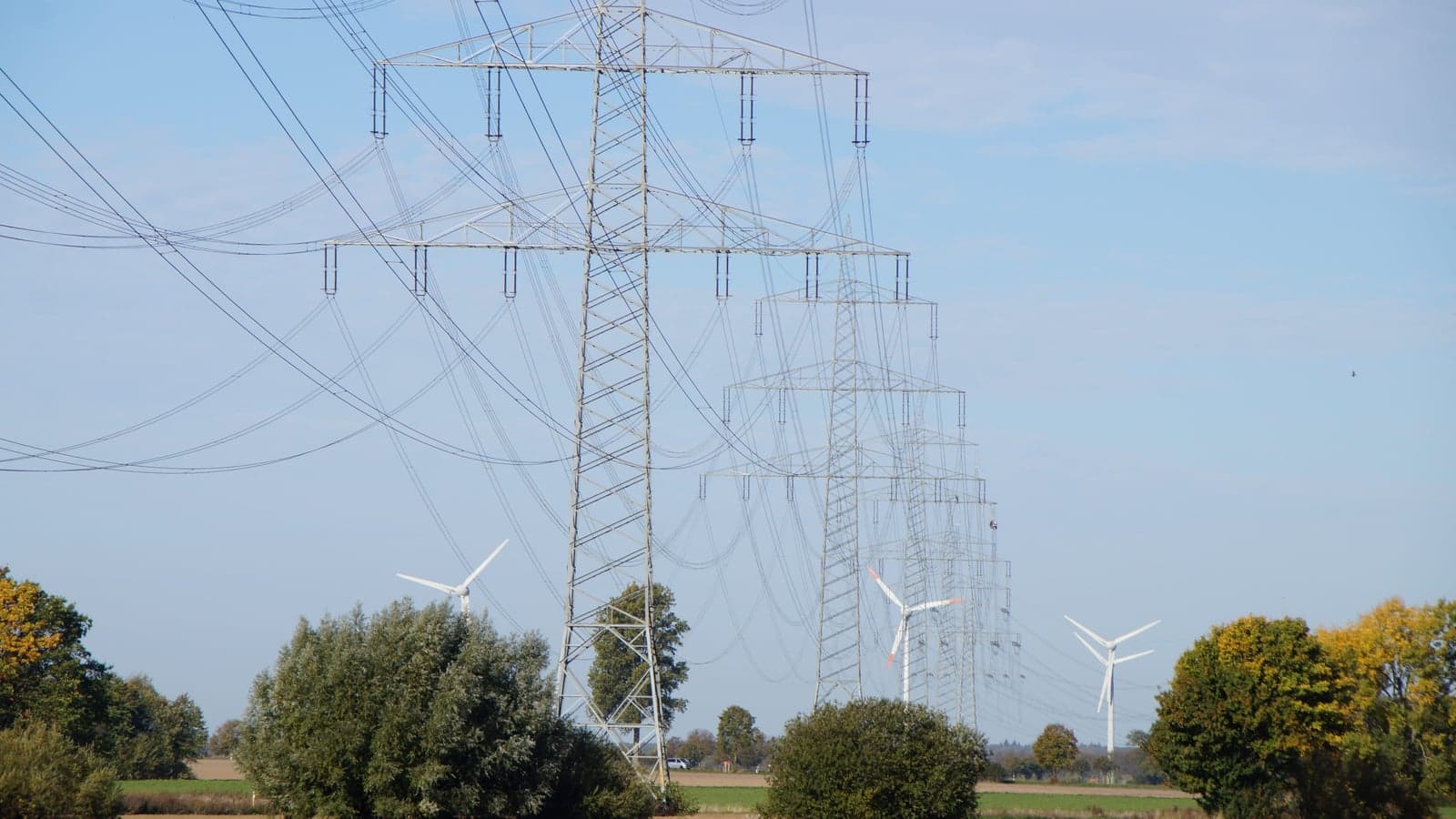
TenneT Holding has reached an agreement with German bank KfW, acting on behalf of the government, on the sale of a 25.1% stake in TenneT Germany for €3.3 billion ($3.9 billion).
With the minority stake, Germany’s Federal Government will gain influence over TenneT Germany according to its share.
Following completion of its sale, and in addition to existing investments in 50Hertz (20%) and TransnetBW (24.95%), the Federal Government will be involved in three of the four German power transmission grid operators.
In addition to co-determination rights regarding the management and business plan of the company, the Federal Government can, for example, send voting representatives to the shareholders' and supervisory bodies.
Germany’s Federal Minister for Economic Affairs and Energy, Katherina Reiche, said: "In order to achieve energy policy goals, it is necessary to expand the electricity grids in line with demand.
“The Federal Government's investment in TenneT will help to secure the billions in capital that will be needed in the coming years. With this investment in the infrastructure of the future, we are strengthening Germany as a business location."
Have you read:
How politics shaped the wind in Germany’s most industrial state
Germany to fund €200 million for hydrogen production in Canada
A long-planned investment
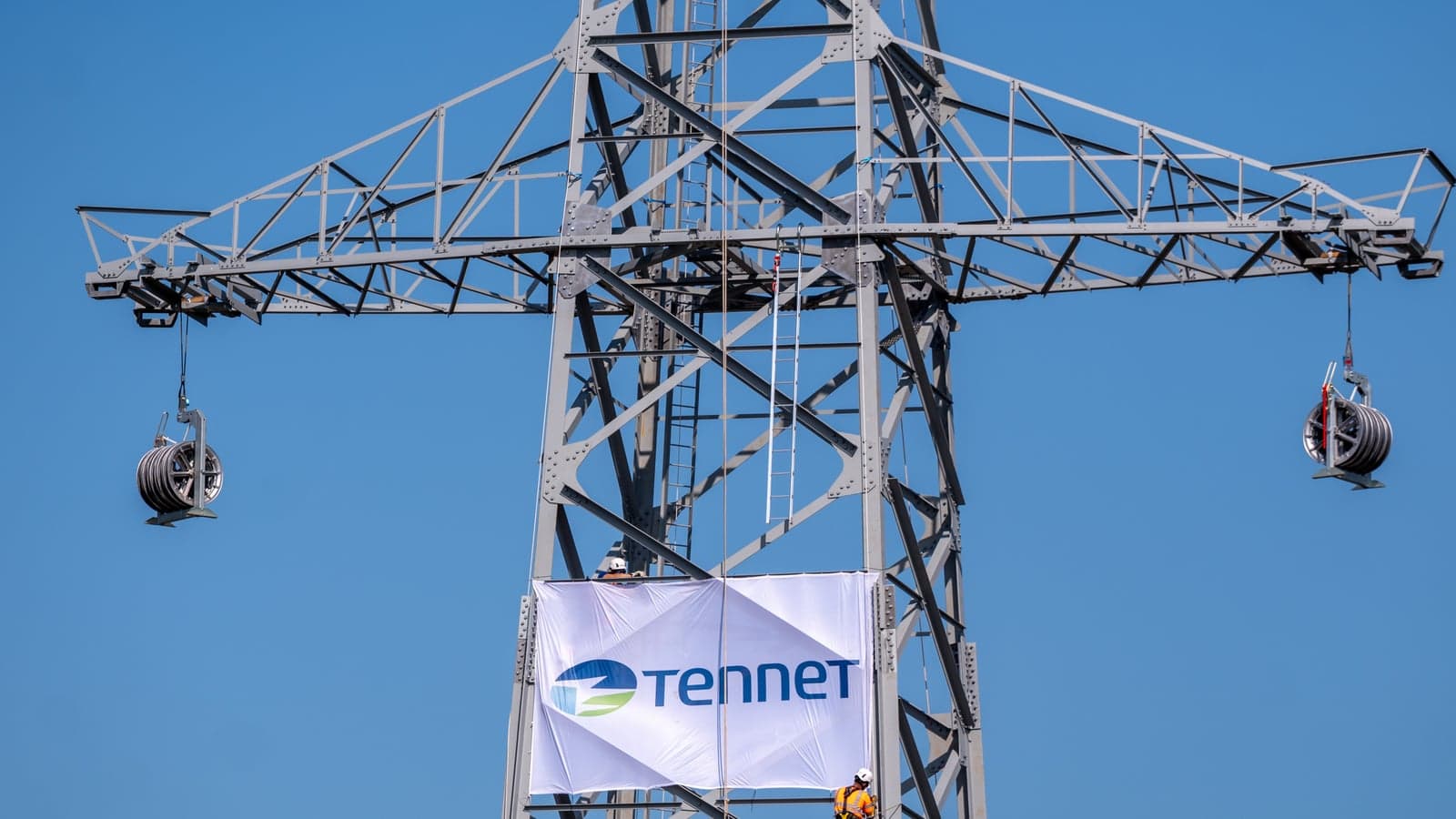
The investment, says TenneT, strengthens the financial position of TenneT Germany, who is the country’s largest TSO based on circuit length, installed capacity and operating zone.
The scale of the expansion needed for Germany’s power grid to integrate renewables has long been a pain point for the operator, who has long been looking to sell its German arm.
Up until June 2024, the company was negotiating with state-owned KfW, when discussions collapsed. In December 2025, the operator launched a €35 billion ($40.8 billion) Debt Issuance Programme (DIP) to help them modernise and upgrade electricity transmission infrastructure and equipment.
This was announced months after the Dutch government sold 46% of TenneT Germany to a consortium of three large institutional investors for €9.5 billion ($11.1 billion).
The TSO says the involvement of both private investors and the German government structurally strengthens TenneT Germany's capital base, providing certainty for the necessary grid reinforcement.
Manon van Beek, TenneT Holding chief executive, said: "We warmly welcome the German state via KfW as a shareholder in TenneT Germany.
“The German state represents one of the most important stakeholders for TenneT in Germany. This co-shareholding creates valuable additional involvement, with particular attention to the increasing investment agenda and the new geopolitical reality.
“TenneT remains committed to ensuring a reliable, sustainable and affordable electricity supply."
TenneT Holding, which is the sole electricity TSO in the Netherlands, will retain at least 28.9% of the shares in TenneT Germany with the deal, giving it full participation in important decisions.
TenneT says in a release that the benefits of the collaboration between TenneT Netherlands and TenneT Germany, which split in December 2024, will largely be retained, as both companies are jointly developing infrastructure that connects wind farms in the North Sea to the electricity grid in Europe.
TenneT has a €200 billion ($216.9 billion) investment plan for grid expansions across its operations in the Netherlands and Germany until 2034.