EU unveils first-of-its-kind energy storage roadmap
Jonathan Spencer Jones
Posted on: 29 June 2026
A tripartite agreement bringing together energy sector stakeholders has been signed to deliver approximately 45GW of energy storage from 2026 to 2028.

The EU level tripartite agreement – the first in the sector – envisages boosting the annual deployment of storage by at least 20% compared to the around 12GW annual capacity installed in 2025.
The aim is to strengthen the storage capacity for better integration of renewables, reduction of curtailment and lower and more stable prices and to contribute to the estimated 200GW of storage capacities needed by 2030 to meet the energy system’s needs – up from the around 55GW of storage installed as of the beginning of 2026.
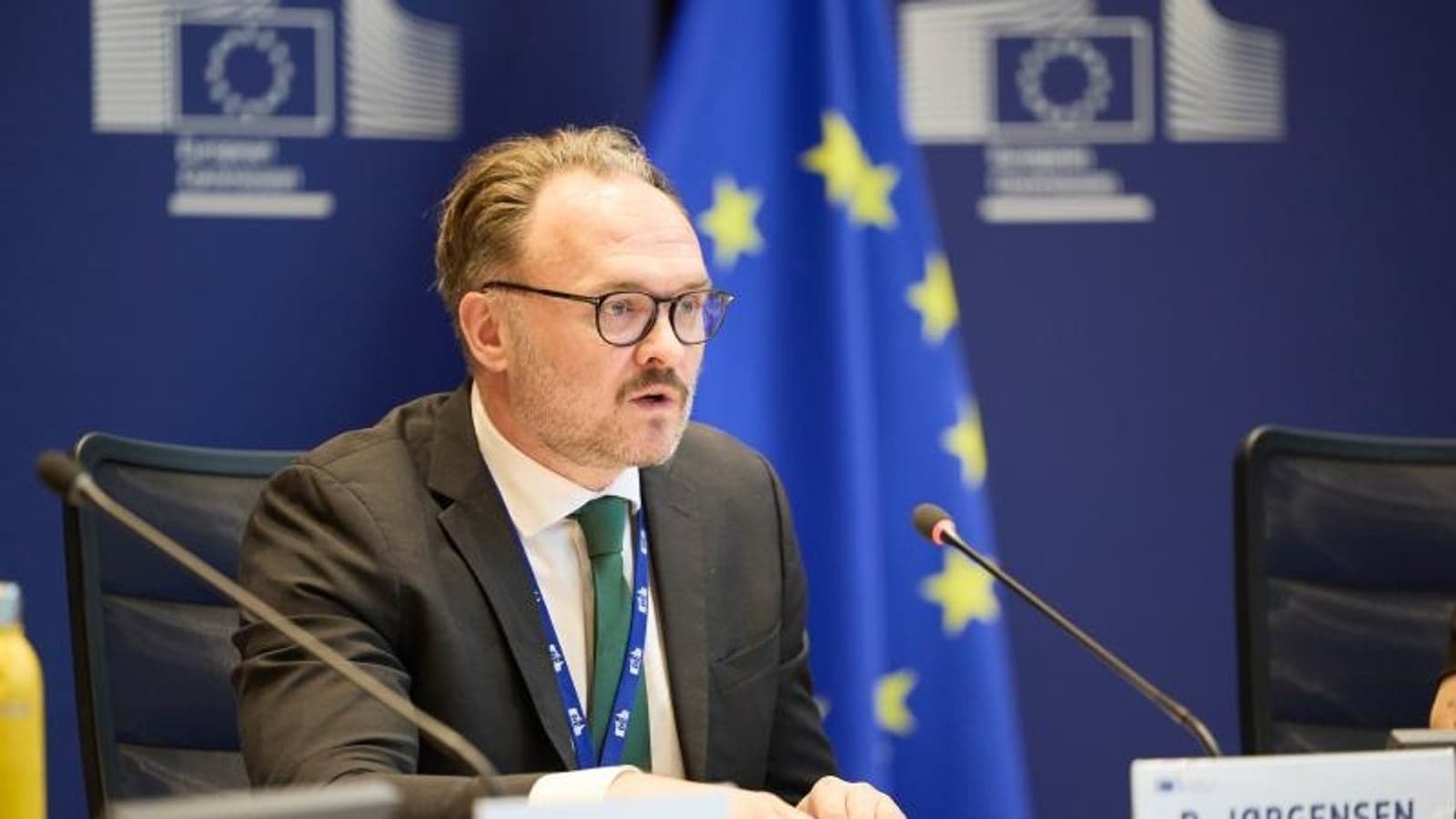
Commenting on the agreement, Dan Jørgensen, Commissioner for Energy and Housing, described energy storage is the missing link in the clean energy transition.
“Through tripartite agreements, we are proposing an innovative model that unites industry and the public sector,” he said.
“As Europeans, we believe that this type of cooperation in key strategic sectors is essential to make energy cleaner, more affordable and to enhance our competitiveness and economic resilience. Certainty and projects visibility is key for investors. And this is exactly what we are delivering.”
Also of interest
Unlocking the commercial value of long-duration storage
Electrifying industrial heat without overloading the grid
Signatories to the agreement include EU energy ministers, storage developers and manufacturers, renewable energy developers, energy consuming industries and financial institutions.
Another detail of the agreement for the period 2026 to 2028 is to reduce gas demand by ensuring that storage supplies approximately 10% of peak demand, up from around 5% in 2025.
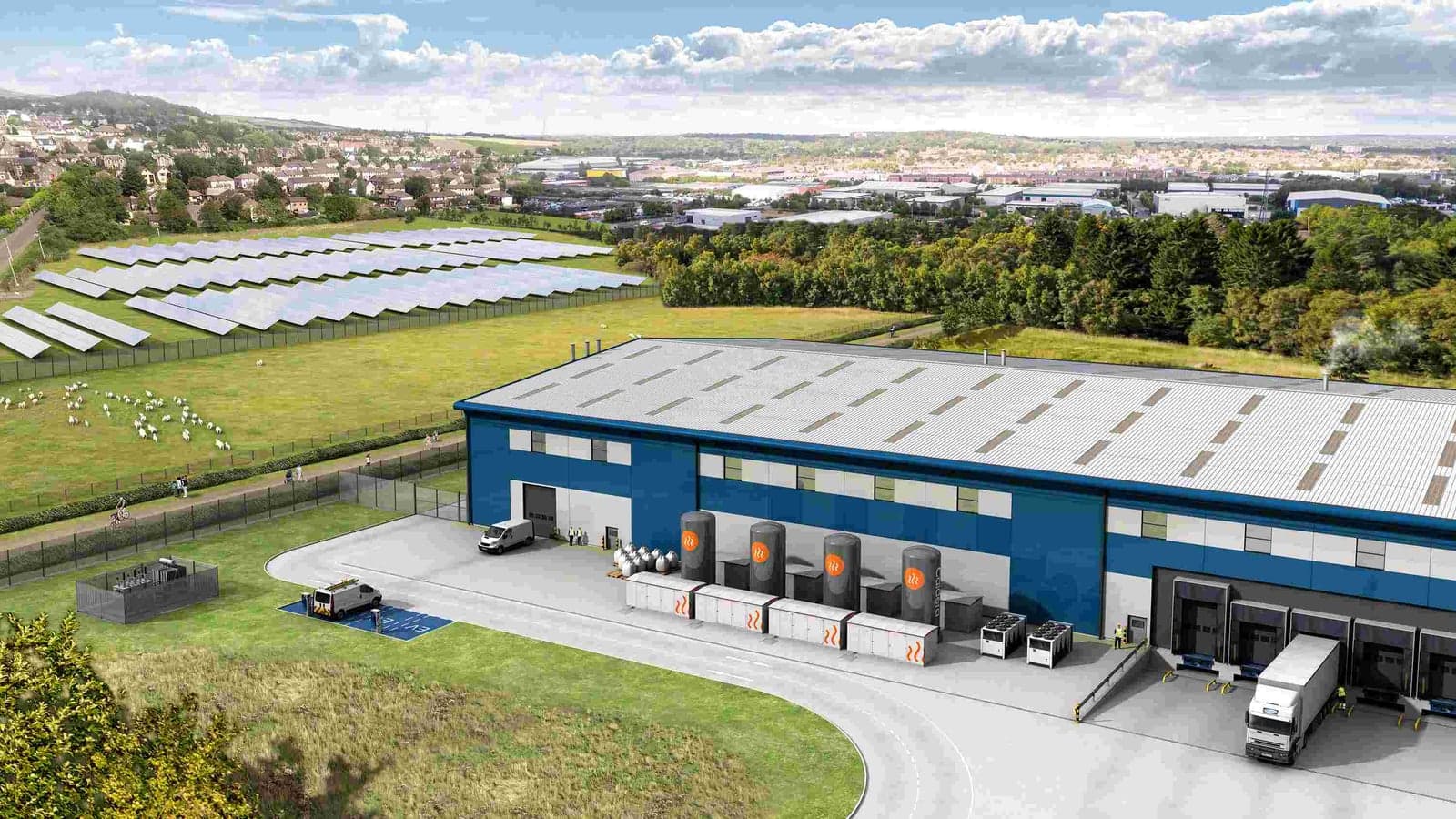
In addition to foster electrification and the competitiveness of industry and businesses, it envisages for the C&I sector increases in the volumes of PPAs with storage assets from 1.5GW to 4.5 GW, in the industrial thermal storage capacity from 0.5GWh to 1.5GWh, in the share of storage installations co-located with renewables from 5% to 20% of the renewables installations and in battery installations from 9GWh to 24GWh.
To deliver on the agreement industrial consumers and energy storage and renewable energy developers must put forward specific storage projects that can be easily replicated and member states must submit ambitious pledges for national storage deployment for the period 2026-2028, with commitments to date from 22 member states accounting for 30-35GW.
The European Investment Bank (EIB) Group is assessing opportunities to strengthen its support for energy storage investments and the European Bank for Reconstruction and Development also is expanding its support to such investments.
In terms of commitments, energy storage and renewable energy project developers should provide yearly estimates of new energy storage and hybrid projects and their volumes, energy consuming industries should develop energy storage projects at their premises and member states should frontload the removal of barriers to energy storage deployment and support energy storage deployment and manufacturing.
For its part the European Commission commits to assisting member states in designing efficient support schemes open to storage, support the decarbonisation of energy-intensive industries through the Industrial Decarbonisation Bank, explore ways of valorising energy storage deployment in the context of the 2026 Innovation Fund Heat Auction and update the requirement for generators network code and the demand connection code to support the roll-out of storage.
Overall, the agreement is expected to deliver a more robust project pipeline of energy storage and hybrid projects, an enlarged de-risking and project development toolbox and an increased EU manufacturing base of energy storage and storage components.
Industry welcome
Welcoming the agreement and describing it as the most comprehensive political recognition of energy storage at EU level to date, Patrick Clerens, Secretary General of Energy Storage Europe, said that storage has moved well beyond a technical question or an add-on to renewables and is a strategic infrastructure.
“The agreement gives the sector and public authorities a stronger basis to drive implementation over the next two years.”
Commenting that storage still faces fragmented rules across electricity markets, grid connection, tariffs, permitting and finance, he said the sector is calling for a set of strategic EU actions to accelerate the deployment of energy storage.
“Building Europe's energy autonomy will require a coordinated programme of regulatory, financial and industrial measures that remove the barriers to deploying storage at the speed and scale Europe requires. This should include targeted actions wherever flexibility becomes a strategic enabler, including the sustainable integration of data centres.
“Energy Storage Europe stands ready to support delivery of this Agreement and to work with the Commission, member states, financial institutions and industry partners on the strategic roadmap that must follow.”
Commenting that the agreement recognises thermal energy storage as a cornerstone of a more resilient, efficient and affordable energy system and that its capacity must increase by 2000% by 2050 to reach the EU’s climate and security of supply goals, Aurélie Beauvais, Managing Director of Euroheat & Power, said: “Thermal storage is a highly cost-effective flexibility solution, made in Europe, and the only sustainable long-term storage technology already deployed at scale. Accelerating the rollout of projects means putting an end to the waste of valuable renewable energy sources and reducing energy prices for consumers and industries that need it most.
“We look forward to working with our members and all parties involved, to develop better frameworks for project financing and implementation."