Germany's 2.5GW offshore wind auction fails
Pamela Largue
Posted on: 7 August 2025
Germany's second offshore wind auction for 2025 has failed to attract a single project bid for either of the two sites in the North Sea, N-10.1 and N-10.2.
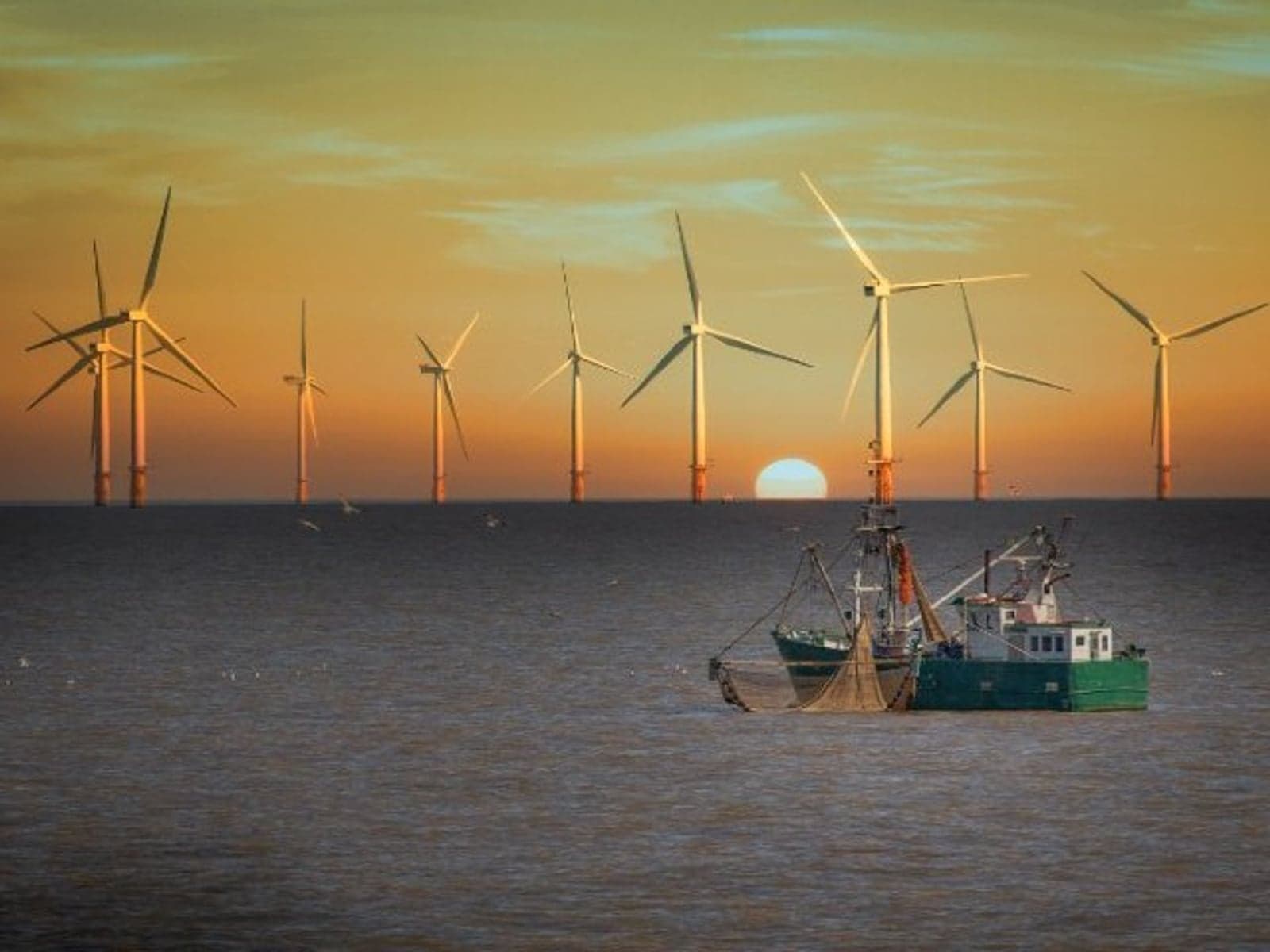
Germany's second offshore wind auction for 2025 has failed to attract a single project bid for either of the two North Sea sites, N-10.1 and N-10.2.
According to the German Offshore Wind Energy Association (BWO), this signals an urgent need to reform the auction design.
Stefan Thimm, managing director of the German Offshore Wind Energy Association, commented in a statement: "The fact that not a single company participated in this auction is a foregone conclusion. The industry has been warning for years against burdening companies with too many risks. However, the legal requirements no longer take into account the framework for investments in offshore wind projects in Germany. The current auction design forces developers to bear risks beyond their control without any protection."
WindEurope explains that Germany’s current offshore wind auction relies on negative bidding and offers no revenue stabilisation, such as a two-sided Contracts for Difference (CfDs) scheme. Bidders are therefore exposed to risks beyond their control and high costs associated with the rights to develop.
Have you read?
Industry calls for urgent action to realise Ireland’s offshore wind ambitions
Offshore wind in flux: Why APAC is capturing developer focus
Said Viktoriya Kerelska, director of Advocacy & Messaging at WindEurope: “The auction result must be a wake-up call for the German Government. Negative bidding adds costs that make offshore wind more expensive and reduces the number of companies willing and able to participate in auctions. It’s time to amend the auction model so Germany can deliver on its offshore wind targets and industrial competitiveness.”
BWO says that after this tender round failed, the Federal Network Agency is obliged to conduct a new tender process for the same site; however, it recommends that legislators ensure better conditions.
"Specifically, we demand the following regarding the auction design: The federal government must finally pave the way for a reliable CfD system alongside long-term electricity supply contracts. Contracts for Difference lead to a reduction in electricity generation costs of up to 30 percent – the basis for competitive electricity prices. Without this reform, further auctions could fail – and with them the energy transition," concluded Thimm.
The N-10.1 and N-10.2 sites, part of the second tender for 2025, have a total capacity of 2.5GW and an area of approximately 182 square kilometres. They were scheduled to go into operation in 2030 and 2031, respectively.
The first tender took place in June this year for the N-9.4 offshore wind site in the North Sea, which can accommodate 1GW of installed offshore wind capacity. TotalEnergies was selected as the winner of this auction.
Germany is not the only country to experience a lacklustre offshore wind auction. Denmark was the latest country to switch its auction framework to CfDs after its 3GW negative bidding offshore wind tender didn’t attract any bids in December.